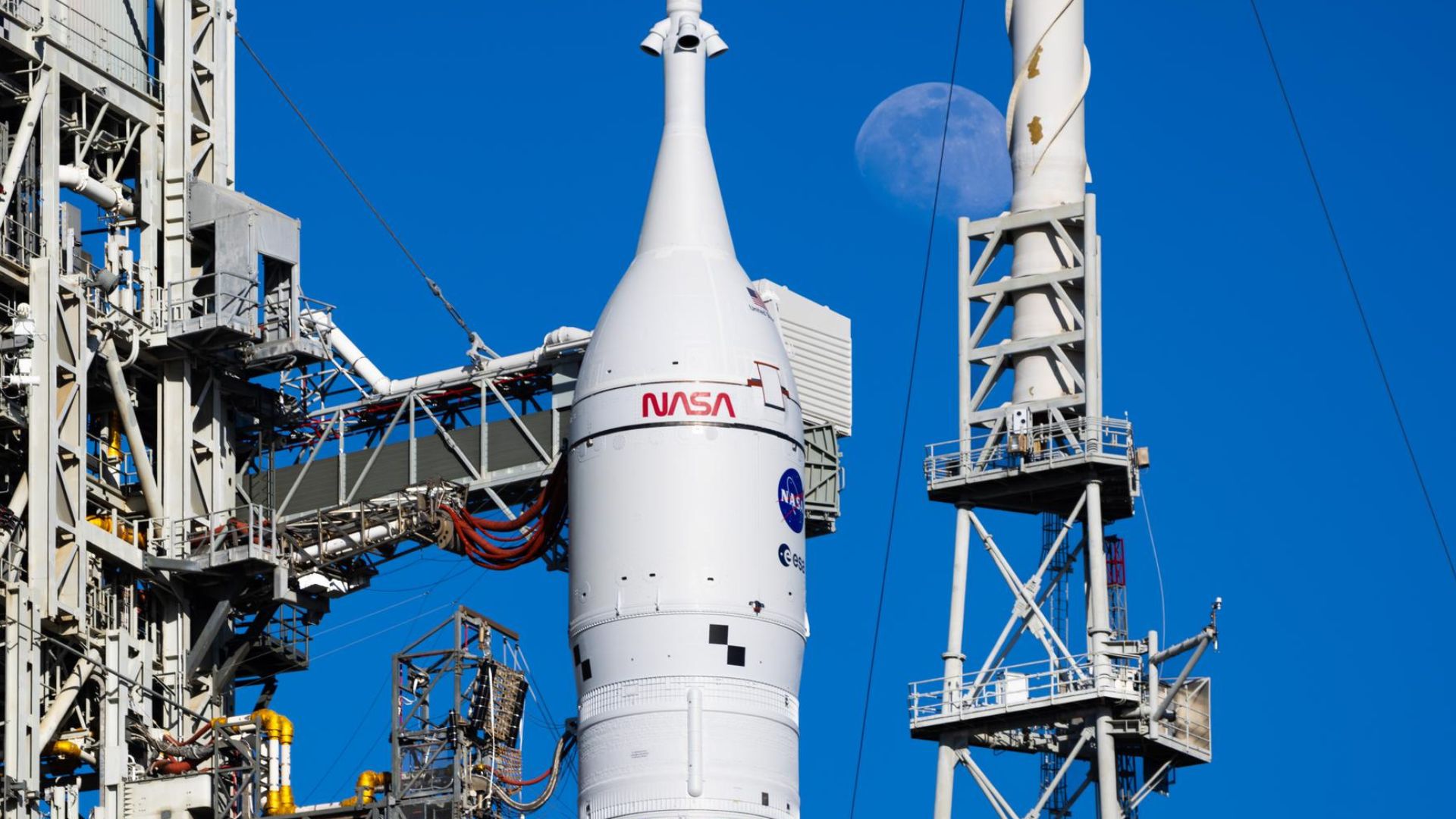
NASA has officially ruled out its March 6 launch window for the much-anticipated Artemis II mission.
This decision followed engineers’ detection of a critical helium flow disruption during routine pre-launch operations.
The setback postpones humanity’s first crewed mission around the Moon in more than five decades.
The announcement came after nearly 50 hours of testing at Kennedy Space Center in Florida.
While earlier checks appeared successful, NASA Administrator Jared Isaacman confirmed that engineers encountered an unexpected issue late Friday during a standard repressurization procedure.
“The team was unable to get helium flow through the vehicle,” Isaacman said. “This occurred during a routine operation to repressurize the system.”
READ ALSO: https://modernmechanics24.com/post/motorcycle-engineer-car-234-mph-record/
Helium plays a vital role in launch operations. It is used to purge rocket engines and pressurize liquid hydrogen (LH2) and liquid oxygen (LOX) fuel tanks. Any interruption in its flow is considered a serious technical matter, as it directly affects propulsion and safety systems.
The issue emerged after NASA initially described what it had called a successful second wet dress rehearsal (WDR). During the simulation, approximately 730,000 gallons of propellant were loaded into the rocket over several hours. Engineers had expressed confidence, calling it a big step in us earning our right to fly.
However, optimism faded overnight when the helium anomaly surfaced.
Isaacman acknowledged the disappointment surrounding the delay. “I understand people are disappointed by this development,” he said. “That disappointment is felt most by the team at NASA, who have been working tirelessly to prepare for this great endeavor.”
What Went Wrong?
According to NASA officials, the failure signature resembled an issue observed during the uncrewed Artemis I mission. Engineers are now investigating several possible causes.
“The ICPS helium bottles are used to purge the engines, as well as for LH2 and LOX tank pressurization. The systems did work correctly during WDR1 and WDR2,” Isaacman explained.
WATCH ALSO: https://modernmechanics24.com/post/byd-seal-smooth-electric-power/
Potential faults include a final filter located between the ground and flight vehicle on the umbilical, a failed quick-disconnect (QD) umbilical interface, or a malfunctioning onboard check valve. NASA had implemented corrective actions after Artemis I to prevent recurrence, but the similarity in failure patterns raises concerns.
Regardless of the root cause, Isaacman confirmed that accessing and repairing the system can only be done inside the Vehicle Assembly Building (VAB). “We will begin preparations for rollback, and this will take the March launch window out of consideration,” he stated.
Know About Artemis II
Artemis II represents the first crewed test flight of NASA’s Space Launch System (SLS) rocket and Orion spacecraft under the Artemis program. Unlike Artemis I, which flew uncrewed in 2022, Artemis II will carry four astronauts on a 10-day journey around the Moon and back.
The Artemis II vehicle consists of the SLS mega rocket, the Orion crew capsule, and the Interim Cryogenic Propulsion Stage (ICPS). The mission will test life-support systems, navigation, and deep-space operations with humans onboard for the first time since Apollo 17 in 1972.
The crew includes NASA astronauts Reid Wiseman, Victor Glover, and Christina Koch, as well as Canadian Space Agency astronaut Jeremy Hansen. The team recently entered quarantine in Houston to minimize health risks before launch, a standard procedure that typically begins about two weeks before liftoff.
READ ALSO: https://modernmechanics24.com/post/gwr-uk-first-battery-passenger-train/
If successful, Artemis II will clear the path for Artemis III, which aims to land astronauts on the lunar surface, hopefully by 2028. NASA has acknowledged that the timeline is ambitious.
However, Isaacman drew historical parallels to NASA’s earlier space missions, emphasizing that delays are not unusual in human spaceflight.