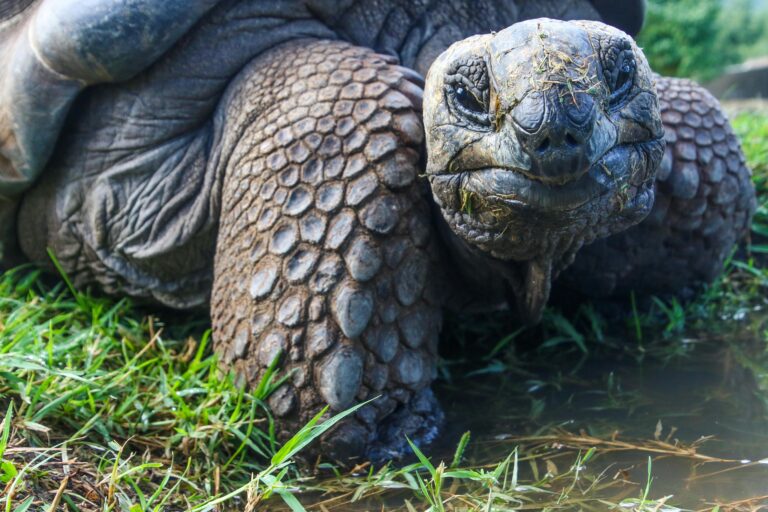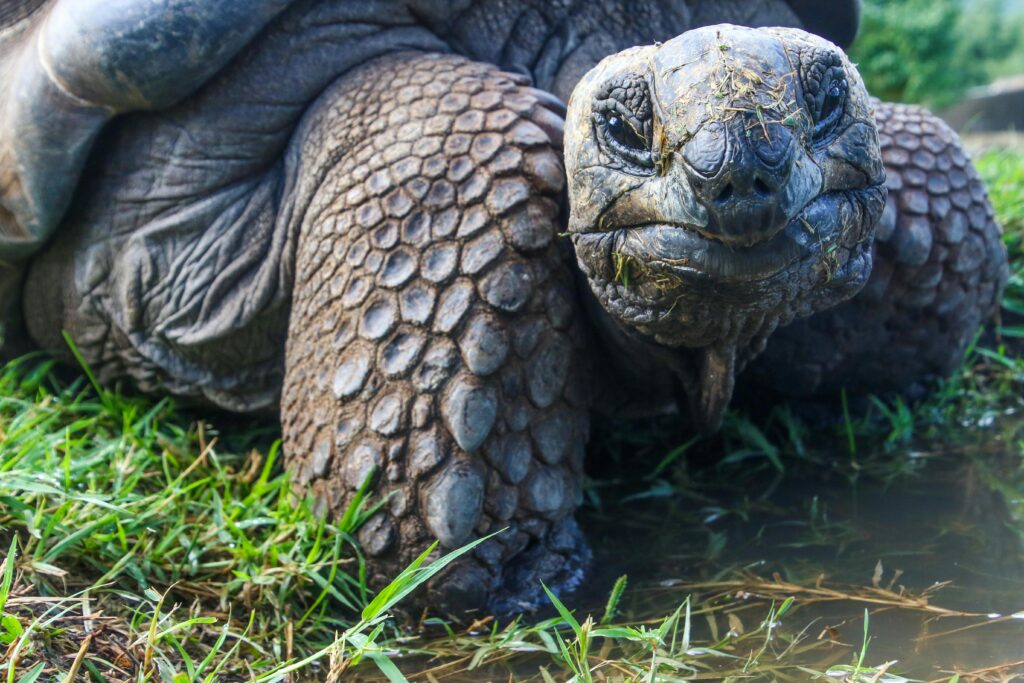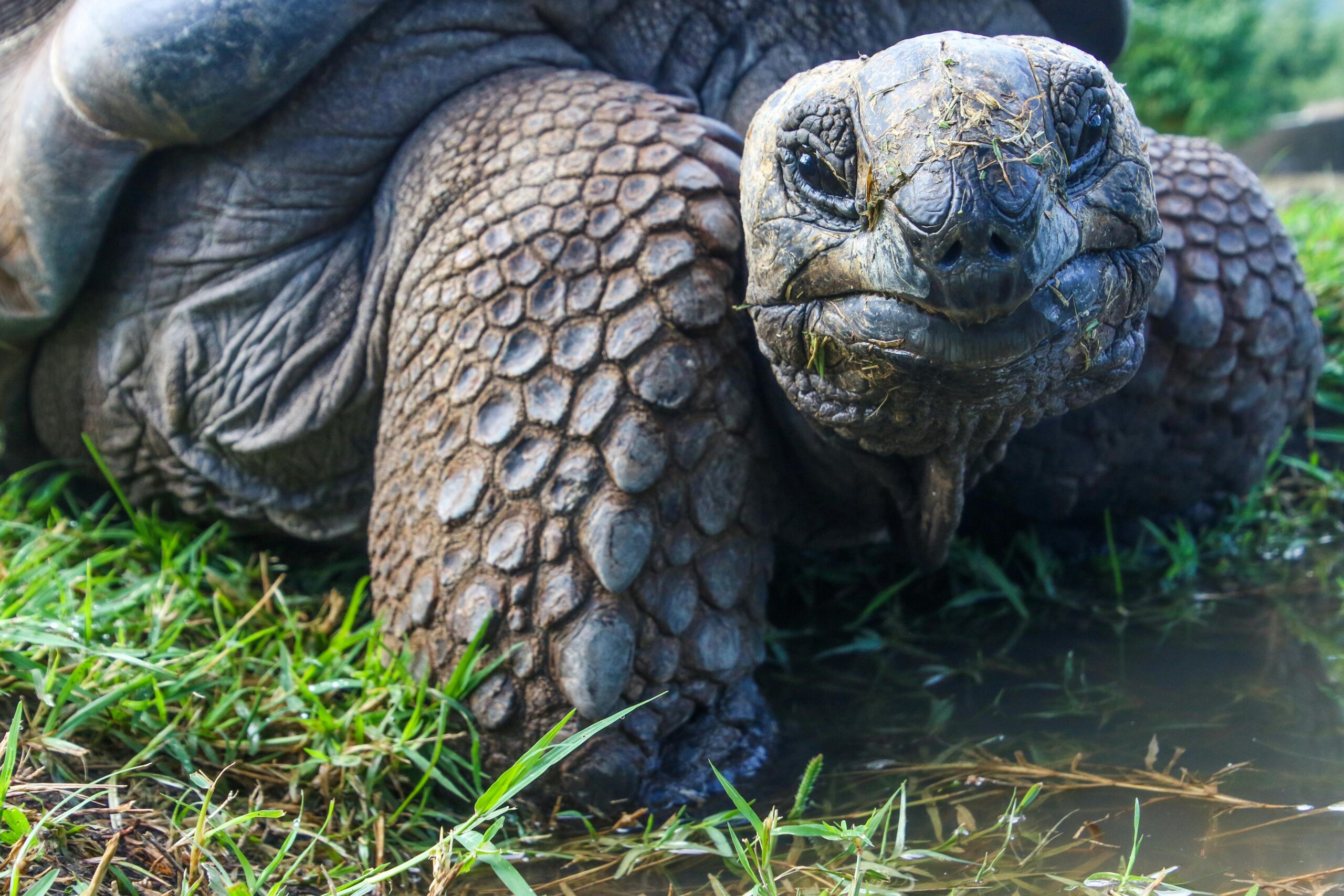
Scientists used satellite data to guide the release of 158 giant tortoises on an island where the species vanished more than a century ago. The animals will help restore an ecosystem that collapsed without them.
On February 20, the Galápagos National Park Directorate and conservation partners released 158 giant tortoises on Floreana Island. The species had not roamed there for over 150 years, after whalers and invasive predators wiped them out in the mid-1800s.
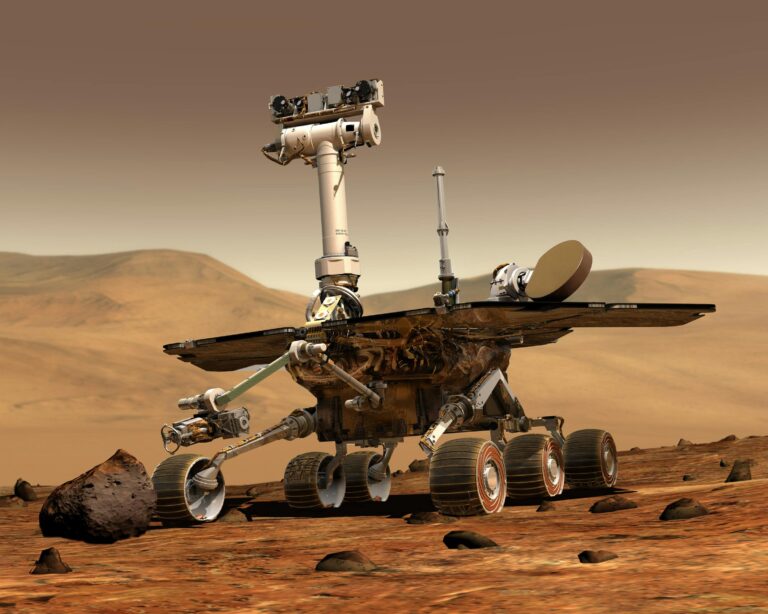
NASA provided satellite technology that helped researchers pick the best release spots. The project also involved the Galápagos Conservancy and used data from multiple NASA missions, including Landsat and the Terra satellite.
READ ALSO: https://modernmechanics24.com/post/why-ai-prosthetic-arms-feel-unsettling/
Giant tortoises once shaped Floreana’s landscape by grazing plants, clearing paths and spreading seeds. Their disappearance caused an ecological collapse. Bringing them back is not symbolic—it is structural, as they are the keystone species for rebuilding the ecosystem.
Researchers built a decision tool using NASA satellite data to map vegetation, rainfall, temperature and terrain across Floreana. They combined this with millions of field observations of tortoise locations to create habitat suitability maps forecasted 40 years into the future.
The long-range modeling matters because giant tortoises can live over a century. Researchers also discovered tortoises on another island carrying Floreana ancestry, likely moved by whalers long ago. A breeding program from that discovery produced the released offspring.
Researchers will now monitor how well the released tortoises adapt to Floreana’s terrain. The project is the first step in a larger effort to eliminate invasive species like rats and feral cats, and return 11 other native animals to the island.
WATCH ALSO: https://modernmechanics24.com/post/elon-musk-space-internet-ghana/
James Gibbs, Galápagos Conservancy Vice President of Science and Conservation, noted that Charles Darwin was one of the last people to see tortoises on Floreana. If this model succeeds, it could serve as a blueprint for ecosystem restoration far beyond the Galápagos.