Researchers have created a new type of battery that uses magnesium metal and a special graphene cathode. The design is safe, flexible, and does not rely on costly materials like lithium or platinum.
Scientists at the University of Tsukuba have developed a high-performance, all-solid-state magnesium-air rechargeable battery. The battery uses a magnesium-metal anode, a nitrogen-doped porous graphene cathode, and a solidified gel electrolyte. It resists damage from chloride ions and works well over many charge-discharge cycles. The battery also remains safe and functional even when bent to 120 degrees.
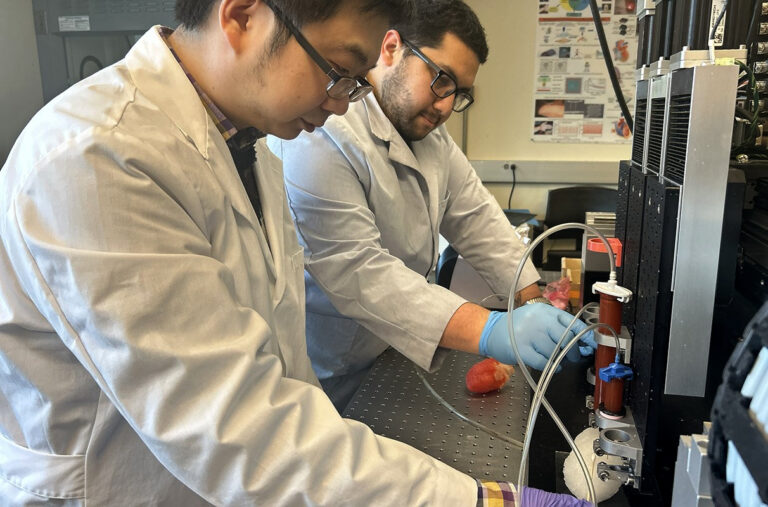
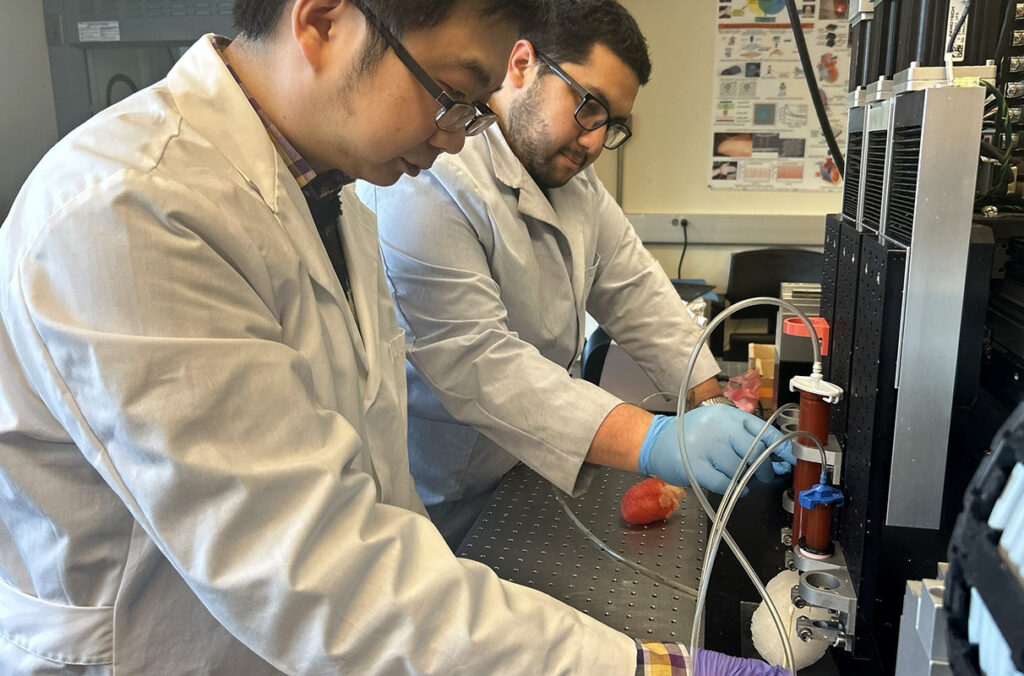
Researchers at the University of Tsukuba in Japan designed and built the new battery. They focused on solving a key problem with magnesium-air batteries: internal corrosion caused by chloride ions in the electrolyte. By using a metal-free nanoporous graphene cathode with nitrogen doping, they created a structure that resists chloride attack while maintaining high catalytic activity.
READ ALSO: https://modernmechanics24.com/post/humanoid-robots-beat-ultimate-test/
Large-capacity rechargeable batteries are essential for electric vehicles and an electrified society. Current systems often depend on expensive metals like lithium and platinum, which carry supply risks and high costs. Magnesium is abundant and cheap, but magnesium-air batteries have suffered from degradation due to chloride ions. This new design overcomes that limitation without using precious metals.
The battery pulls oxygen from the air to use as the active material at the cathode. The anode is made from commercially available magnesium metal. The electrolyte is a polymer gel infused with magnesium chloride, which solidifies to prevent leaks. The nitrogen-doped graphene cathode provides a porous structure that holds discharge products efficiently and helps move ions and air through the battery.
The solid electrolyte makes the battery much safer than liquid-based designs. There is no risk of leakage, and the battery stays flexible. In tests, it performed better than versions using expensive platinum-based cathodes. Even when bent to 120 degrees, it kept its original performance with no signs of damage or leakage.
The battery is still a laboratory prototype. While it shows excellent promise, more work is needed to scale up production and test long-term durability under real-world conditions. The technology is not yet ready for commercial use in vehicles or devices.
WATCH ALSO: https://modernmechanics24.com/post/elon-musk-space-internet-ghana/
This design offers a low-cost, safe alternative to lithium-based systems. It reduces dependence on scarce materials and could help ease supply chain risks for battery manufacturing. The University of Tsukuba team believes their approach could expand the range of applications for rechargeable batteries and support a more sustainable energy future.