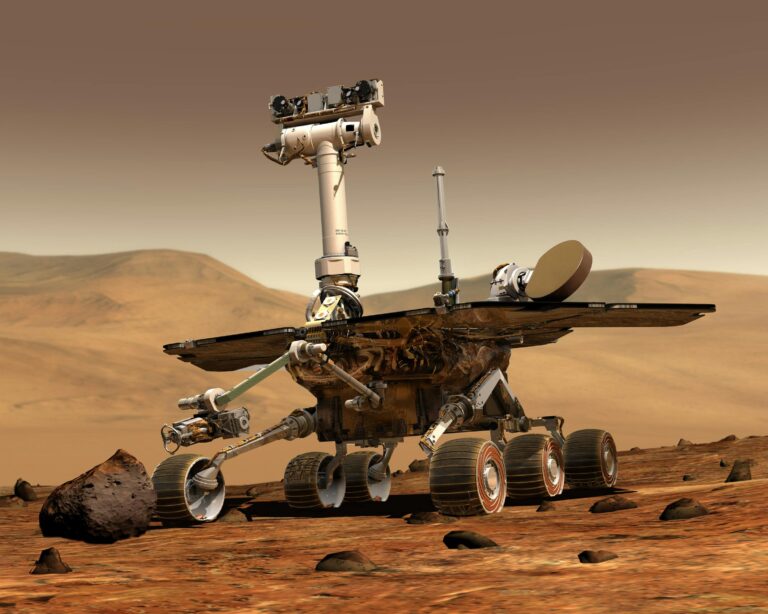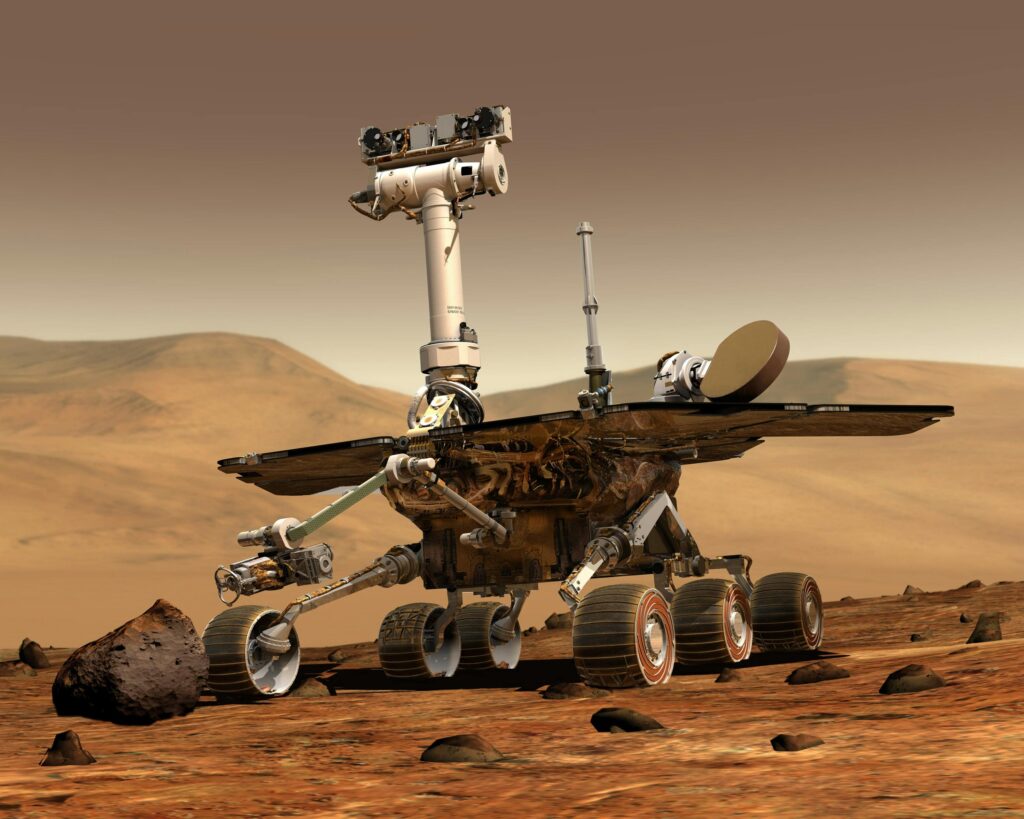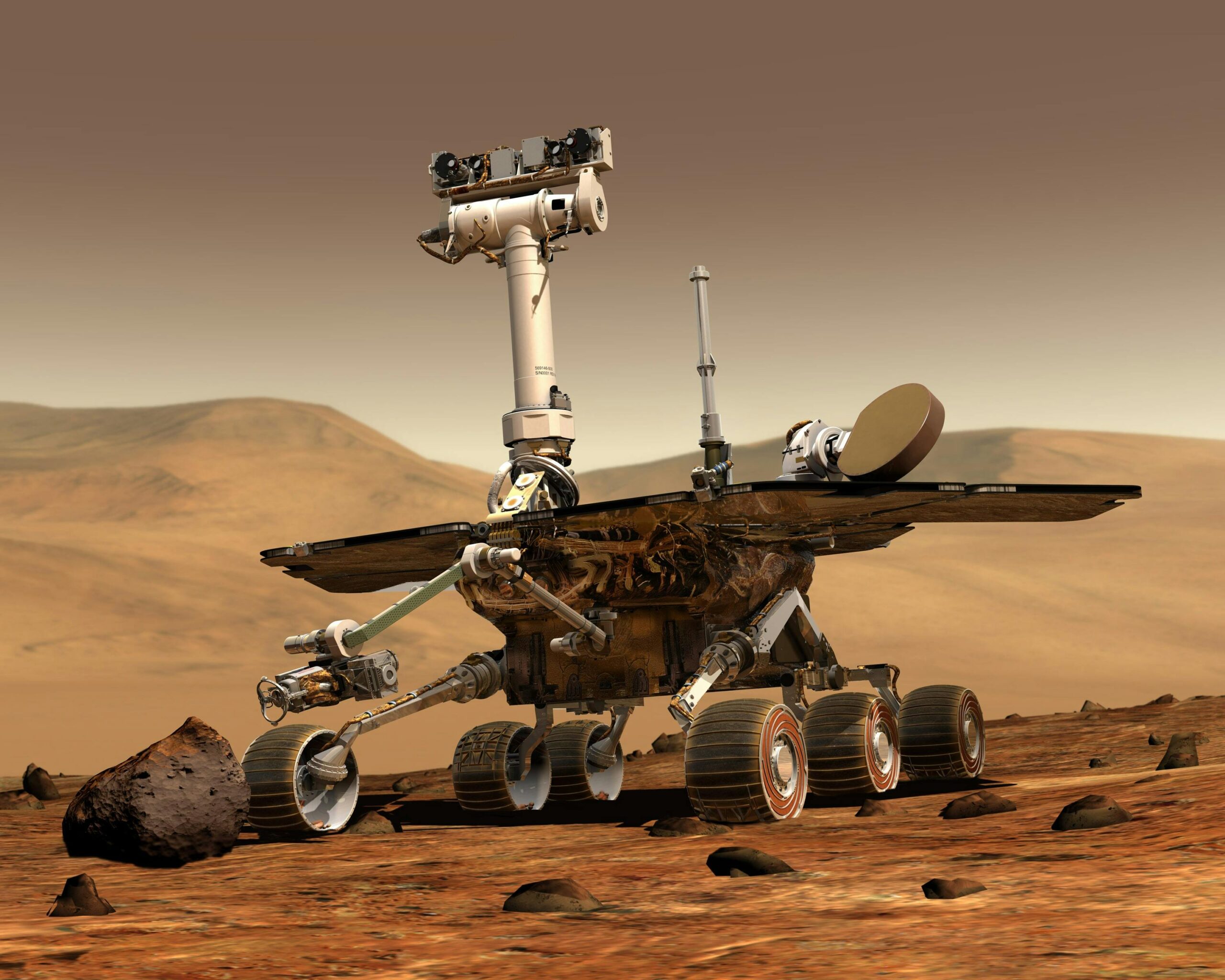
The space agency has upgraded its Mars rover with software that lets it pinpoint its location using orbital maps in about two minutes. The system ends the rover’s reliance on daily check-ins with human controllers millions of miles away.
NASA has installed a new navigation system on the Perseverance rover that allows it to determine its exact position on Mars without help from Earth. The upgrade, called Mars Global Localization, matches the rover’s own panoramic images to orbital terrain maps onboard.
A team at NASA’s Jet Propulsion Laboratory led by space roboticist Vandi Verma and robotics engineer Jeremy Nash developed the technology. They began work in 2023, testing the algorithm against imagery from 264 previous rover stops before deploying it in February 2025.
READ ALSO: https://modernmechanics24.com/post/talon-blue-matters-us-cca-program/
Mars has no GPS satellites, and communication delays make real-time control impossible. The planet sits about 140 million miles from Earth, so instructions can take a full Martian day to arrive. Previously, Perseverance had to stop and wait for humans to confirm its location when uncertainties built up.
The rover had tracked its position by analyzing geological features in images and factoring in wheel slippage. Small errors accumulated over time, sometimes leaving it unsure of its location by more than 100 feet. The new system compares panoramic photos to orbital maps in about two minutes, pinpointing the rover to within 10 inches.
Perseverance can now travel significantly farther each day without stopping to wait for Earth-based confirmation. The system was successfully used during routine operations in early February and again this week. It builds on recent AI advances that let the rover plan its own safe routes around hazards.
The technology addresses what Verma called “an open problem in robotics research for decades.” Autonomous navigation had become so effective at avoiding obstacles that uncertainty about location became the main limit on driving range. The upgrade removes that bottleneck.
WATCH ALSO: https://modernmechanics24.com/post/boston-dynamics-atlas-balance-agility/
Jeremy Nash said deploying this solution in space for the first time is “super exciting.” The system could work for almost any rover traveling fast and far, potentially enabling a new era of faster, more autonomous exploration on Mars and other worlds.