Japan has taken a decisive step in reshaping its defense posture by upgrading one of its key naval destroyers with long-range Tomahawk missiles.
The move marks a significant shift in Tokyo’s military thinking and is drawing close attention from China and the wider region.
The upgraded vessel, the Aegis destroyer Chokai, has completed modifications and crew training in the US.
READ ALSO: War in Skies, Yet Flights Continue: The Invisible System Keeping Passengers Safe
Japanese Defence Minister Shinjiro Koizumi confirmed that the ship is now capable of launching Tomahawk cruise missiles. A formal ceremony marking this milestone took place on board, attended by officials from both Japan and the US.
Japan plans to conduct its first live firing test of the Tomahawk system later this summer in the US. After that, the destroyer will return to Japan around September. The Chokai is the first among several vessels that Tokyo intends to upgrade under a broader plan to strengthen its naval strike capabilities.
Why Tomahawk Matters
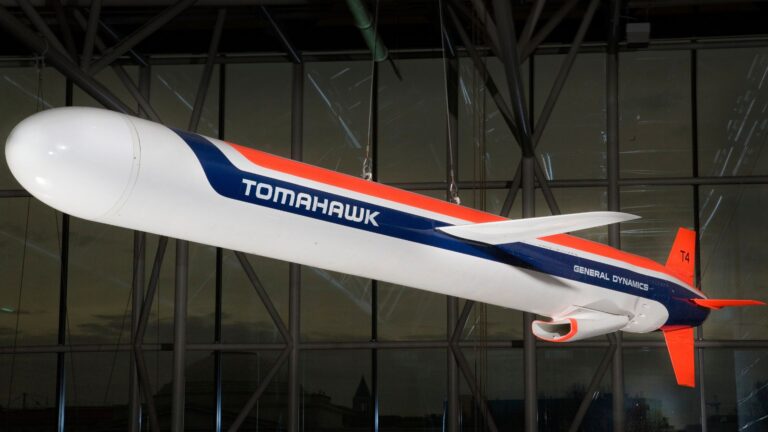
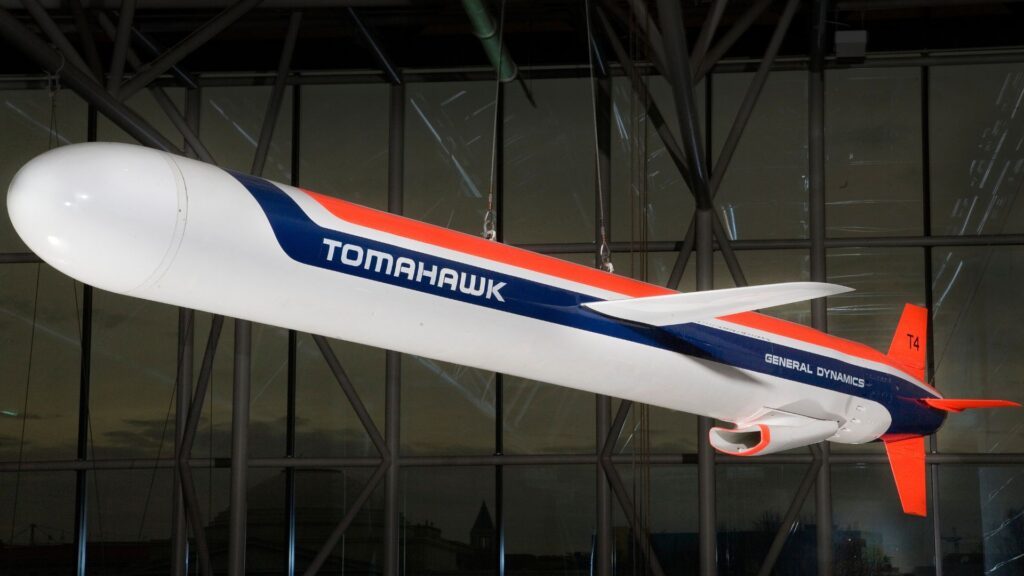
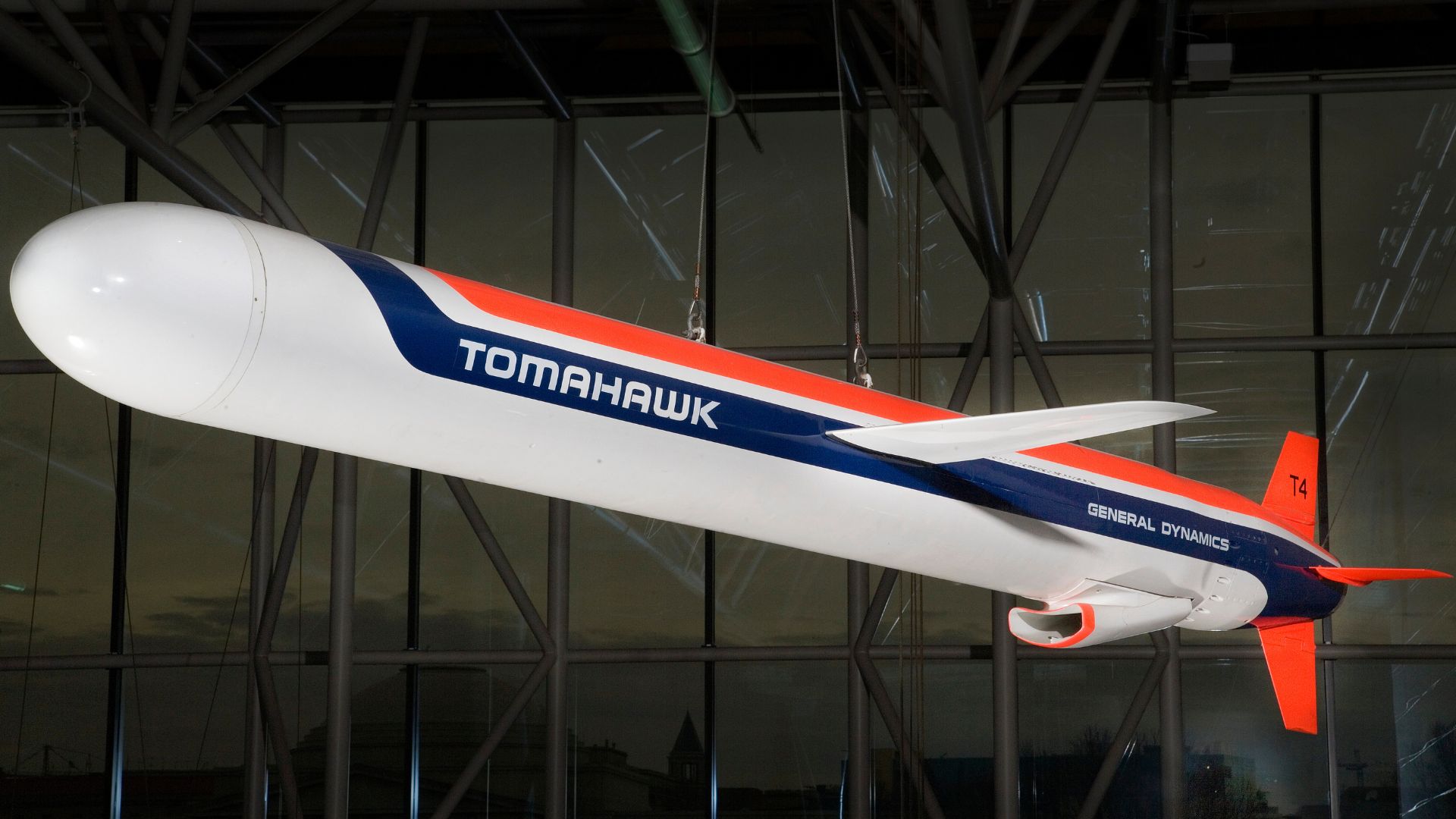
Tomahawk missiles are long-range cruise missiles with a reach of over 1,600 kilometres. This allows them to strike targets far beyond Japan’s immediate surroundings. From positions in the western Pacific, these missiles can reach deep into parts of China and also cover North Korea.
This extended range is what makes the upgrade strategically important. Japan, which has long focused on defensive military capabilities, is now building what it calls a counterstrike capability. This means it can respond directly to threats by targeting enemy bases or launch sites.
WATCH ALSO: Cartoon-like humanoid robot learns everyday kitchen chores from humans
Koizumi said Japan needs this capability to defend itself more effectively. He explained that missile threats in the region are growing in both number and sophistication. Relying only on defensive systems is no longer enough.
The Tomahawk integration is part of a larger transformation within Japan’s Self-Defense Forces. Tokyo has already signed a deal to purchase 400 Tomahawk missiles, signalling a long-term commitment to this strategy.
At the same time, the Japan Maritime Self-Defense Force has reorganised its command structure. It has replaced the Fleet Escort Force with a new Fleet Surface Force. This change aims to improve coordination, speed up decision-making, and enhance operational efficiency.
Analysts say this restructuring also points to a shift towards more flexible and offensive naval operations. Some even see it as preparation for high-intensity conflict, especially in sensitive areas such as the Taiwan Strait and the East China Sea.
Rising Concerns in Beijing
China has not officially responded to the Chokai upgrade. However, Chinese military analysts have voiced concern over Japan’s evolving defense posture. They argue that deploying long-range strike weapons signals a move away from Japan’s traditionally restrained military stance.
READ ALSO: AI-Driven 3D-Printed Prosthetic Limb Socket Developed At SFU
China believes this step increases regional tensions. They see it as part of a broader alignment between Japan and the US, strengthening joint military operations in the region.
Others warn that such developments may raise the risk of confrontation, especially in already sensitive maritime zones. They argue that advanced strike capabilities can quickly escalate conflicts if not carefully managed.
Japan’s latest move reflects its ambition to play a more active role in regional security. For decades, its military policy remained largely defensive. Now, with systems like the Tomahawk, Tokyo is stepping into a more assertive position.
WATCH ALSO: US conducts powerful and deadly strike against ISIS terrorists in Northwest Nigeria
This shift extends beyond military strength, reflecting deeper strategic calculations as Japan aligns more closely with the US to influence the regional balance of power amid rising tensions.
Japan’s Tomahawk-equipped destroyers are poised to redefine power dynamics in Asia, making Tokyo an essential player in the region’s evolving security environment.