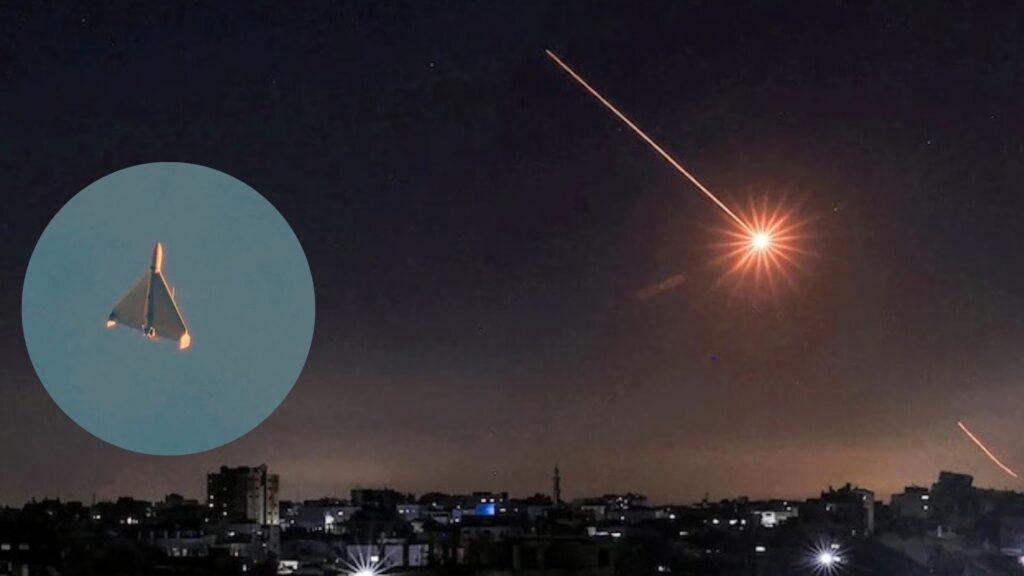
Iranian-made Mohajer-6 strike-surveillance drones are now operating in Venezuela, marking the first visual confirmation that the armed unmanned aircraft has entered service with the Venezuelan military. Capable of 12-hour endurance, armed strikes, and long-range surveillance, the drones surfaced just as the US Treasury announced new sanctions tied to their local assembly inside the country.
A newly circulated image appears to show an Iranian Mohajer-6 at El Libertador Air Base (BAEL), Venezuela’s most important air force hub near Caracas. The image, first highlighted by The War Zone (TWZ), reportedly emerged during a military exercise, though the outlet noted it could not independently verify the exact date or circumstances. Even so, the timing is notable, arriving immediately after Washington confirmed the drones’ presence through sanctions disclosures.
In a statement accompanying the sanctions, the US Treasury Department said that Venezuela-based Empresa Aeronautica Nacional SA (EANSA) has been maintaining and overseeing the assembly of Mohajer-series UAVs in cooperation with Iran’s Qods Aviation Industries (QAI). According to the Treasury, these dealings contributed to “millions of dollars’ worth of Mohajer-6 UAVs” being sold to Venezuela, effectively confirming what imagery had only suggested.
READ ALSO: https://modernmechanics24.com/post/duke-energy-files-nuclear-permit-nc/
The Mohajer-6 is a combat-capable unmanned aerial vehicle (UAV) designed for intelligence, surveillance, and reconnaissance missions, while also being able to strike targets with small guided munitions. First unveiled by Iran in 2016 and entering serial production in 2018, the drone represents a mature platform that Tehran has already exported to multiple countries, including Russia, which has used it in the war in Ukraine, reported TWZ.
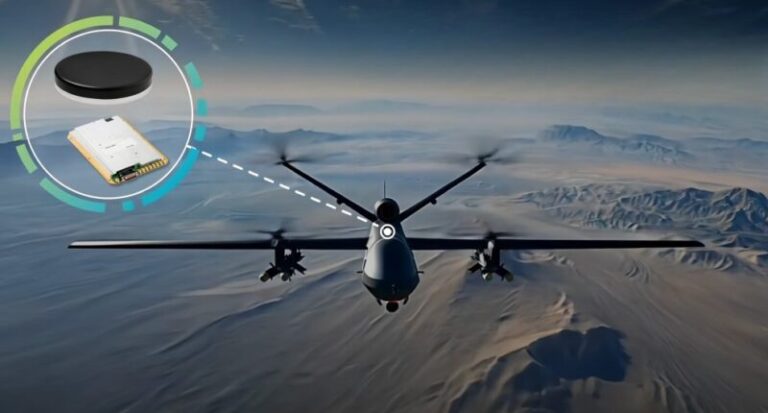
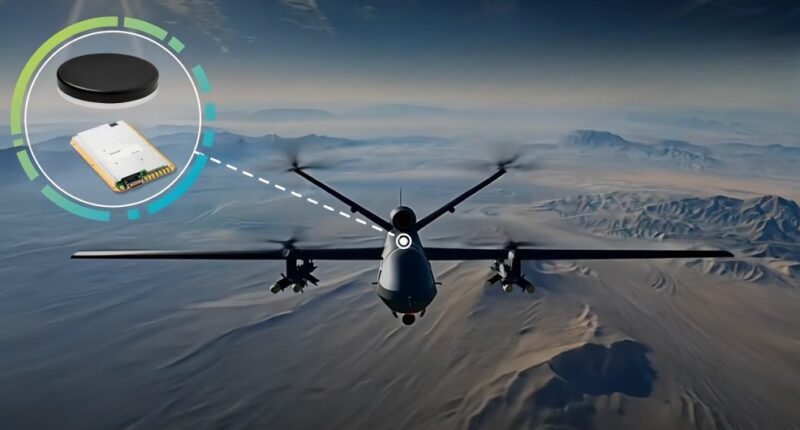
Physically, the drone resembles a small manned aircraft. It features a high-mounted wing with a span of nearly 33 feet (10 meters), a twin-boom tail, and a fuselage just over 18.5 feet (5.67 meters) long. Powered by a small internal combustion engine driving a pusher propeller, it takes off and lands conventionally using fixed tricycle landing gear. According to the US Army’s Operational Environment Data Integration Network (ODIN), the Mohajer-6 has a maximum takeoff weight of about 1,320 pounds (600 kilograms) and an endurance of 12 hours.
Operationally, Mohajer-6 drones can be flown via line-of-sight data links or follow pre-programmed routes using an onboard autopilot. They typically carry electro-optical and infrared sensors for day-and-night surveillance and navigation. Up to four underwing pylons allow the carriage of guided glide bombs such as Iran’s Qaem munitions, which Iranian media and past imagery suggest are already present in Venezuela, according to TWZ.
WATCH ALSO: https://modernmechanics24.com/post/iss-crew-new-year-2026-wishes/
Venezuela’s interest in the Mohajer-6 is not new. The country has pursued the system since at least 2020, previously displaying models at official events without proof of operational deployment. Analysts cited by TWZ say the drones now give Venezuela a credible boost in coastal patrol, border surveillance, and limited strike capability, especially as its traditional air force struggles with aging aircraft and maintenance constraints.
The Mohajer-6 also fits into a broader Iranian-assisted drone ecosystem in Venezuela. The country already fields the ANSU-100 (also known as Arpia), a locally produced derivative of Iran’s Mohajer-2, primarily used for surveillance. The Miami Herald reported earlier this year that Venezuelan doctrine has shifted since 2022, moving toward armed drones as a way to offset conventional military weaknesses, a trend analysts describe as the “Iranization” of its armed forces.
That shift carries regional implications. According to TWZ, armed Mohajer-6 drones, especially if used in numbers or converted into loitering munitions, could complicate operations for US forces in the Caribbean. Their appearance also coincides with heightened US pressure on President Nicolás Maduro’s government, including sanctions and maritime interdictions.
READ ALSO: https://modernmechanics24.com/post/china-military-drill-mexico-cuba-taiwan/
For now, how many Mohajer-6 drones Venezuela possesses remains unclear. But their confirmed presence signals a new phase in Iran–Venezuela military cooperation, one that adds persistent eyes in the sky—and potentially strike capability—to a region already on edge.