Honeywell Aerospace has unveiled a new turbofan engine designed to power future uncrewed military aircraft operating alongside fighter jets.
The company introduced the HON6000 turbofan engine, intended for Collaborative Combat Aircraft (CCA), light combat aircraft, advanced jet trainers, and other next-generation unmanned platforms.
The new engine is designed to meet the performance, autonomy, and cost requirements of medium-sized uncrewed aircraft that may operate in complex and contested combat environments.
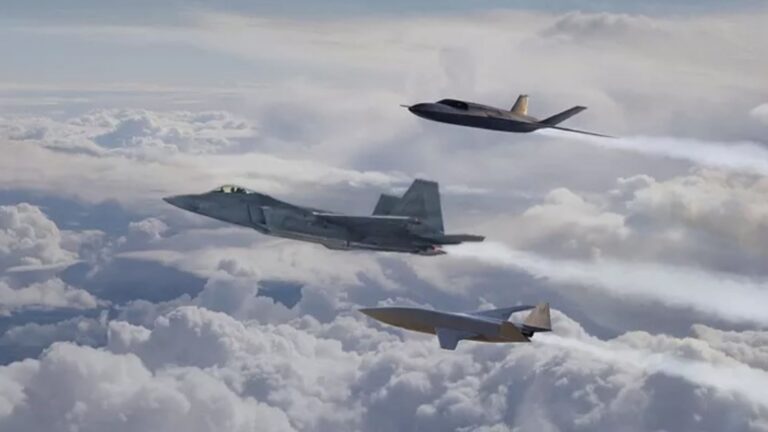
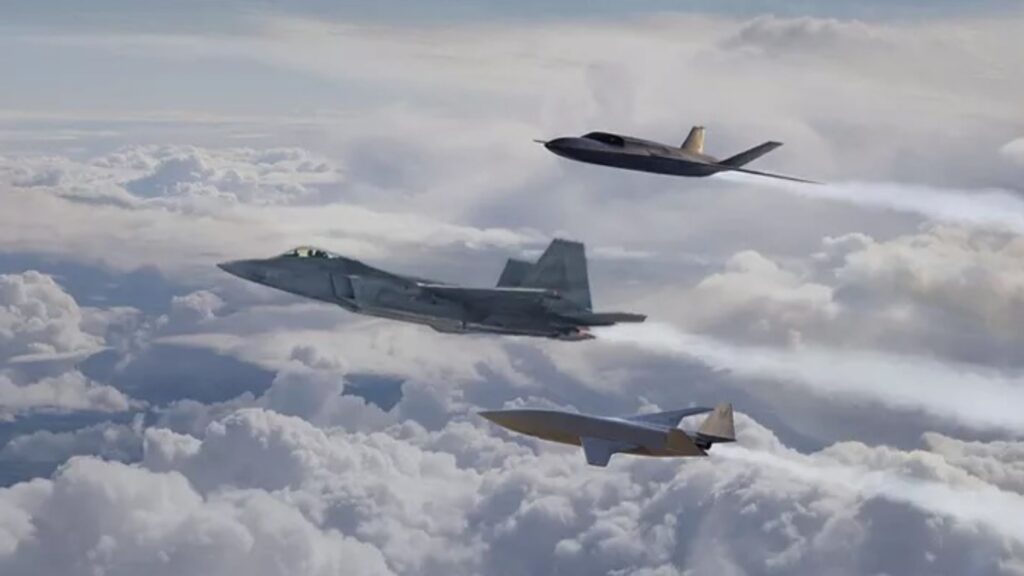
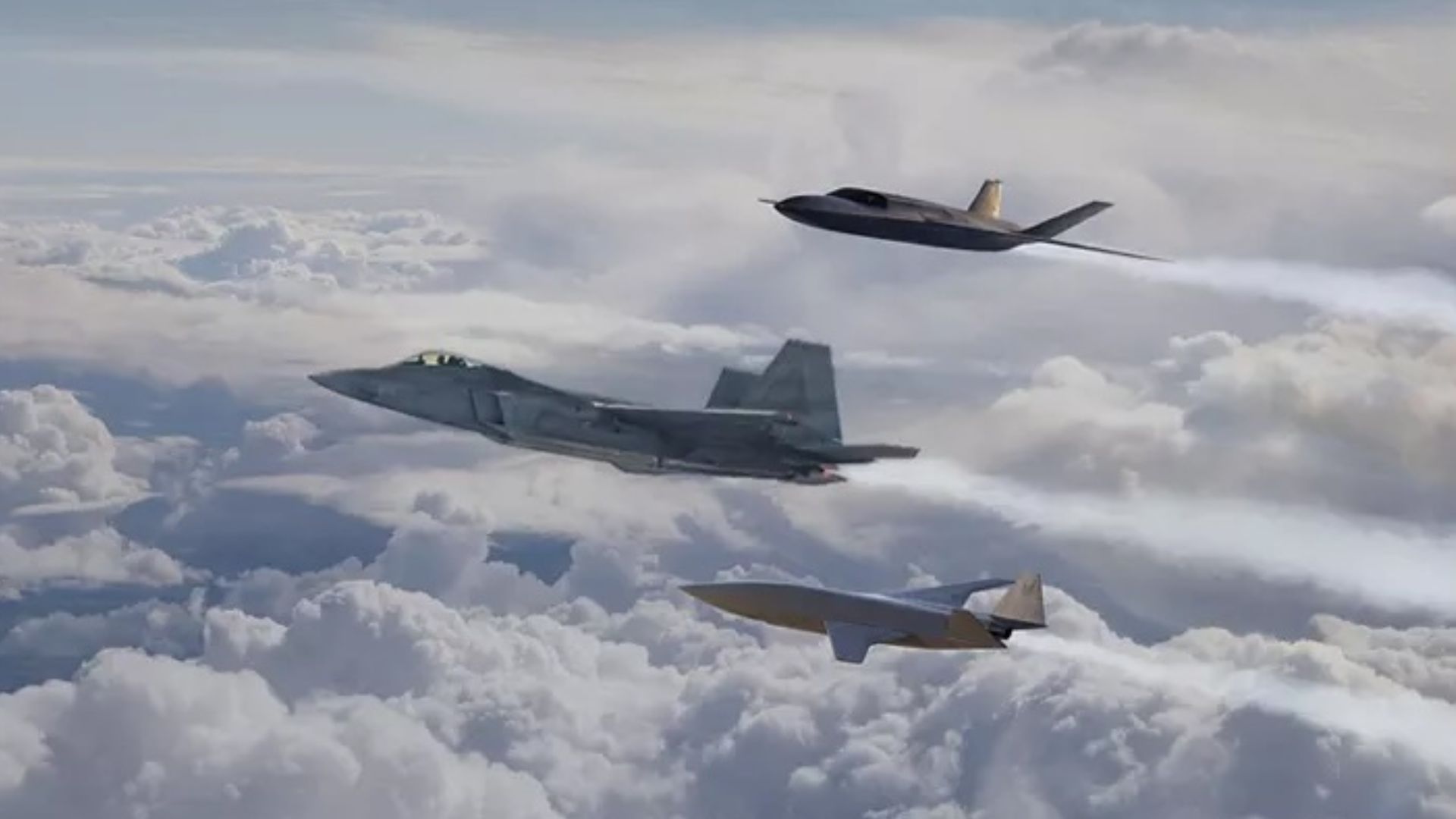
Next-generation Collaborative Combat Aircraft are expected to carry out high-risk missions while flying alongside crewed fighter aircraft. These aircraft, often called “loyal wingmen,” are designed to support pilots during combat operations by performing tasks such as surveillance, electronic warfare, and strike missions.
Such missions require propulsion systems that offer high efficiency, strong performance, and reliable operations during autonomous missions.
Honeywell said the HON6000 turbofan was developed specifically for these requirements. The company stated that the engine provides one of the highest power-to-weight ratios in its thrust category, enabling improved performance for uncrewed aircraft operating in demanding combat conditions.
READ ALSO: US Labs Move Closer to Large-Scale Quantum Computing
The HON6000 expands Honeywell’s growing propulsion portfolio for military drones. The engine complements the company’s SKYSHOT1600 turbofan, which is designed for smaller Collaborative Combat Aircraft platforms.
The two engines offer scalable propulsion solutions for manufacturers developing different classes of uncrewed combat aircraft.
Honeywell explained that the HON6000 provides the thrust, responsiveness, and durability required for medium-sized autonomous aircraft operating alongside crewed fighter jets during long-range missions.
READ ALSO: China Becomes World’s Largest Holder of AI Patents, Accounting for 60% of Global Total
The company said the engine’s performance helps autonomous aircraft maintain formation and coordination with manned platforms during joint operations.
Honeywell also focused on cost efficiency while designing the new engine. The company emphasized that the HON6000 supports attritable operations, in which uncrewed aircraft can be deployed in large numbers on high-risk missions where losses are possible.
According to Honeywell, lower acquisition and operating costs make the engine suitable for such missions, allowing military forces to deploy autonomous aircraft at scale.
The development of the HON6000 builds on Honeywell Aerospace’s decades of experience in aircraft propulsion systems. The company has produced around 150,000 turbine propulsion engines and auxiliary power units over the past 50 years.
WATCH ALSO: HMND-01 Alpha Shows How Simulations Fast-Track Humanoid Robots
Honeywell said the new engine uses a proven design architecture, updated components, improved aerodynamics, resilient materials, and advanced manufacturing techniques.
Because the engine shares design heritage with existing production engines and is manufactured in the US, Honeywell said the system can be scaled quickly to meet future demand while reducing development risks for aircraft manufacturers and military operators.
The HON6000 is expected to play a key role as global militaries accelerate the development of autonomous combat aircraft designed to work alongside manned fighter fleets.