Researchers have developed a new method to create urea fertiliser by combining waste carbon dioxide with nitrogen pollutants using renewable electricity. The process could help clean up waterways while cutting emissions from one of the world’s most polluting industries.
Engineers at UNSW Sydney have found a way to produce urea—the fertiliser that feeds more than half the world’s population—without relying on fossil fuels. Their method uses renewable electricity to trigger an electrochemical reaction that couples carbon dioxide with nitrogen pollutants.
A team led by Associate Professor and Scientia Fellow Dr Rahman Daiyan from UNSW’s School of Minerals and Energy Resources Engineering developed the technology. PhD student Putri Ramadhany served as first author of the study, which used advanced characterisation at the Australian Synchrotron.
READ ALSO: https://modernmechanics24.com/post/nasa-helps-giant-tortoises-galapagos/
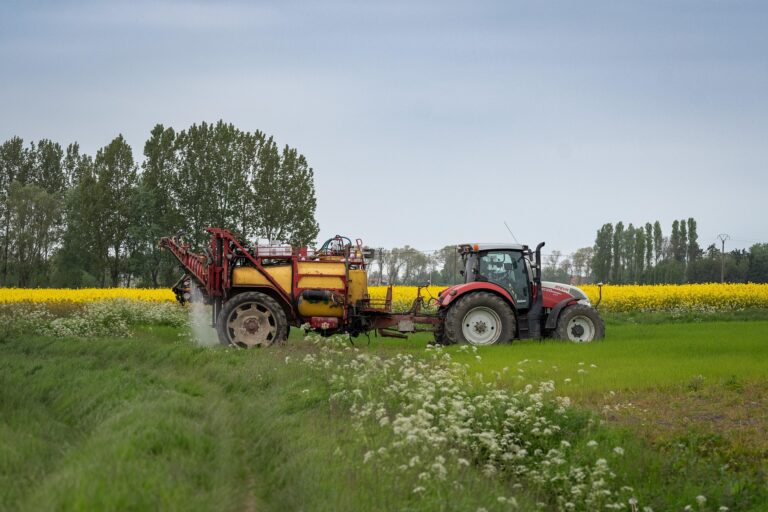
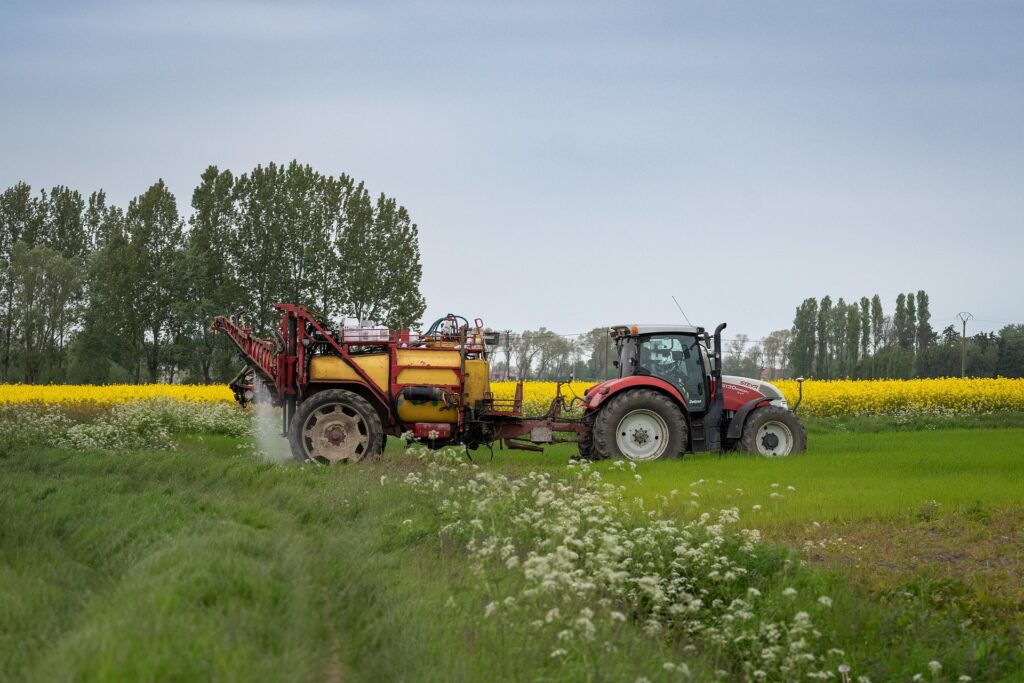
Current urea production relies on natural gas or coal in high-temperature, high-pressure processes that release massive emissions—around 40 billion tonnes of CO₂ globally in 2024 alone. Meanwhile, nitrogen pollutants from agriculture and industry contaminate waterways worldwide.
The researchers designed a catalyst made of copper and cobalt that works at an atomic scale. It holds carbon and nitrogen molecules together long enough for them to react, directly coupling CO₂ with nitrogen pollutants to form urea. The system runs on solar or wind power instead of fossil fuels.
Australia imports about 3.8 million tonnes of urea annually, creating a strategic vulnerability for a major agricultural exporter. If the technology scales up, the country could produce its own clean fertiliser from waste carbon and renewable electricity while lowering emissions.
The technology is still under development in the laboratory. Dr Daiyan estimates it will take another two to three years to reach the stage where an industry partner could come onboard. The team is now scaling up using urea electrolysers, the equipment considered the benchmark for industrial translation.
WATCH ALSO: https://modernmechanics24.com/post/china-launches-80000-ton-fujian-aircraft-carrier/
Dr Daiyan presented this research at COP30, arguing that governments need to invest in circular economy pathways. The vision is zero-carbon urea created by turning environmental problems into opportunities—using unavoidable emissions from cement factories or agricultural waste to produce valuable chemicals.