

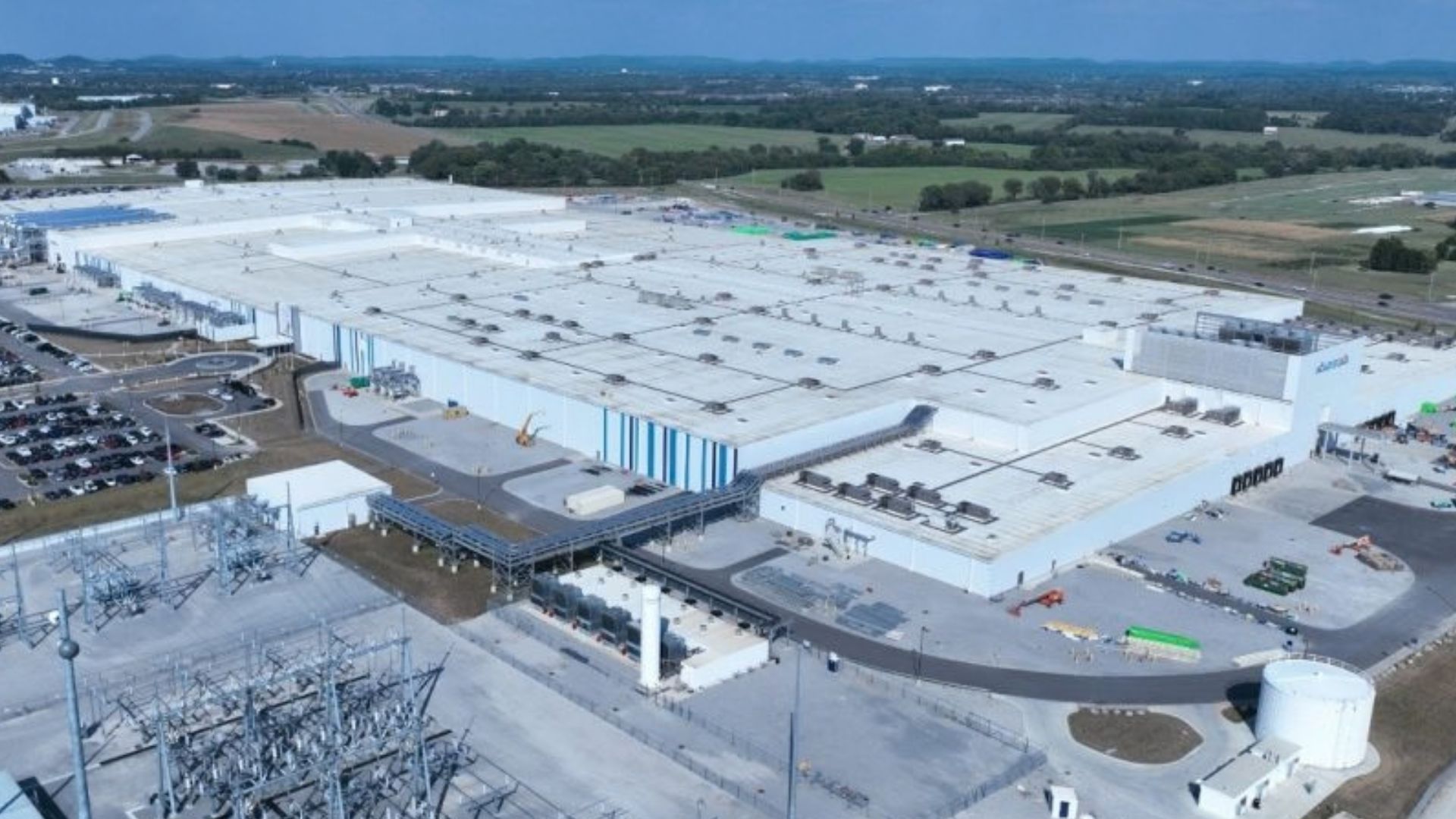
General Motors is adding a new battery chemistry to its US manufacturing network, with Ultium Cells preparing to produce lithium manganese-rich (LMR) prismatic cells in Tennessee.
The technology is designed to deliver 33% higher energy density than lithium iron phosphate (LFP) cells while targeting a similar production cost. The move gives GM another battery option between low-cost LFP and higher-cost high-nickel technology for future electric vehicles.
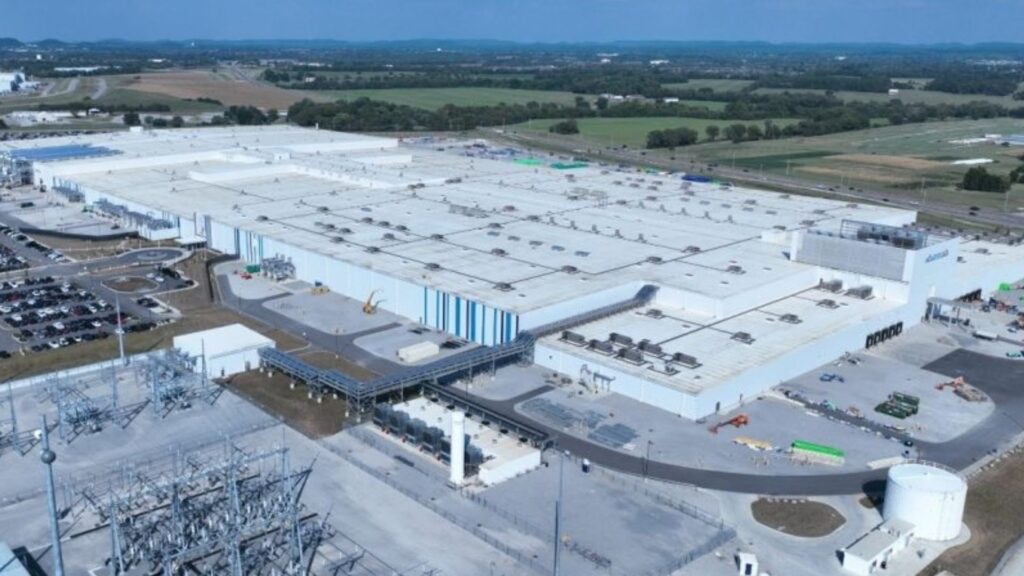
Ultium Cells LLC will manufacture the new LMR prismatic cells at its Spring Hill facility near Nashville, Tennessee.
Ultium Cells is a joint venture between General Motors and South Korea’s LG Energy Solution. Once production begins, the site is expected to become the world’s first commercial manufacturing facility for this type of LMR prismatic battery cell.
Construction and facility upgrades are scheduled to begin later this year. The work is expected to be completed in 2028 and will expand the plant’s battery production capabilities. The project is also expected to create about 500 new jobs, adding to the facility’s existing workforce of around 1,200 employees.
LMR refers to a battery chemistry that uses a higher share of manganese in its cathode material. The chemistry is designed to provide more energy storage in a given battery size than LFP technology. For vehicle manufacturers, higher energy density can help increase driving range without requiring a much larger battery pack.
A New Middle Battery Option
The global electric vehicle market has largely developed around two broad battery choices.
High-nickel batteries provide high energy density and remain suited to vehicles where longer driving range is a priority. In contrast, LFP batteries are less expensive but generally store less energy for the same battery size. GM is now adding LMR technology between these two options.
The company says LMR cells offer 33% greater energy density than LFP cells at a comparable cost. This combination is intended to give future GM vehicles more range without relying entirely on the more expensive high-nickel chemistry. The approach also gives GM greater flexibility when selecting batteries for different vehicle segments.
High-nickel cells will continue to serve models that require the highest range in GM’s portfolio. LMR technology is instead being positioned for vehicles where cost and range need to be balanced. LFP remains another option for applications where lower battery cost is the main priority.
READ ALSO: https://modernmechanics24.com/post/china-fk-2000-turkmenistan-parade/
The new chemistry also gives GM more room to adjust battery specifications according to vehicle requirements. Larger vehicles, such as pickup trucks, can have different energy and power demands than smaller passenger cars. Producing several battery chemistries and cell formats within the same manufacturing network can help address those differences.
Solving LMR Battery Problems
LMR technology has attracted interest from battery researchers for years, but its use in large vehicle batteries has faced technical problems.
One of the main issues has been gas formation inside the cells during repeated charging and discharging. Gas buildup can increase internal pressure, cause swelling and damage the cell structure over time.
Researchers from LG Energy Solution and Seoul National University reported a potential solution in September. Their work linked the gas problem to reactions involving volatile oxygen during battery charging. The researchers found that adjusting the battery’s operating voltage range helped control these reactions and improve cell stability.
Laboratory testing provided further evidence of the approach. Optimized 40 Ah-class cells retained 92.2% of their original energy capacity after 883 charge-discharge cycles. The result points to durability relevant to automotive applications, although commercial vehicle performance will depend on production-scale manufacturing and testing.
The research is important to the timing of GM’s manufacturing plans. LMR chemistry has long offered a possible route to higher energy density at lower cost, but controlling degradation and gas formation has been a major challenge. Improvements in cell design and operating conditions are helping manufacturers move the chemistry closer to large-scale automotive use.
Flexible Production For Future EVs
The Spring Hill expansion also focuses on manufacturing flexibility. Ultium Cells plans to produce multiple battery chemistries and different cell shapes at its facilities. This allows battery production to be adjusted to the requirements of different GM vehicles.
Prismatic cells have a rigid rectangular form and can be arranged efficiently inside a battery pack. Their design differs from cylindrical cells, which use a round metal casing, and pouch cells, which use a flexible outer package. The choice of cell format affects how batteries are packaged and integrated into vehicles.
For GM, the ability to use several chemistries gives its EV programme more options as battery technology and vehicle demand change.
The company can continue using high-nickel cells for vehicles that need maximum range while introducing LMR cells for models that need a lower-cost balance between range and performance. LFP cells can continue serving applications where affordability remains the main consideration.
The Tennessee project also has a wider industrial dimension. Commercial production of LMR prismatic cells in the US would add another domestic battery technology to the country’s growing EV supply chain. It also gives GM and LG Energy Solution a manufacturing base for a chemistry that is still developing globally.
The first production lines are not expected to be ready until 2028, leaving time for plant upgrades, equipment installation and manufacturing preparation.
Once the expansion is complete, the Spring Hill facility will have a broader battery production role within GM’s EV strategy. The development will show how successfully LMR technology can move from laboratory research into high-volume vehicle production.
For the global EV industry, the focus remains on finding batteries that combine adequate range with manageable cost and reliable long-term performance. GM decides to add LMR production in Tennessee, placing that chemistry alongside its existing battery options.











One Response