Scientists have discovered that a giant virus hijacks the protein-making machinery of cells to multiply up to 100,000 times faster than viruses without this ability.
The finding provides the first experimental evidence that viruses can take over a system typically associated with cellular life, giving them a powerful advantage when infecting hosts.
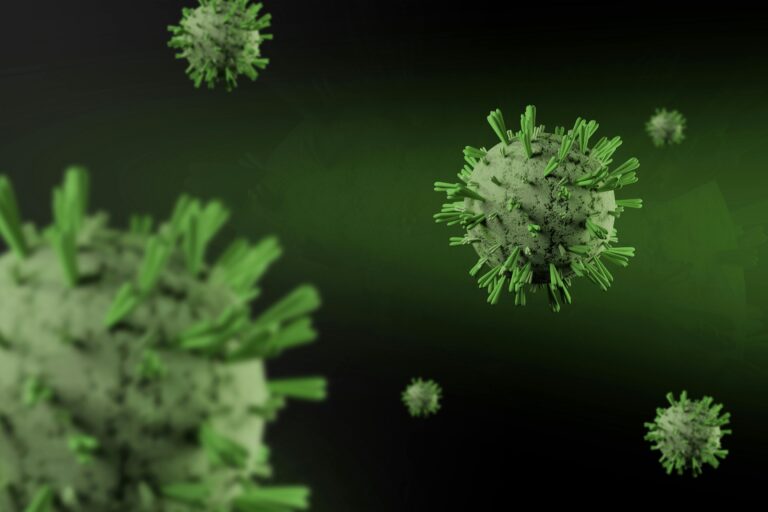
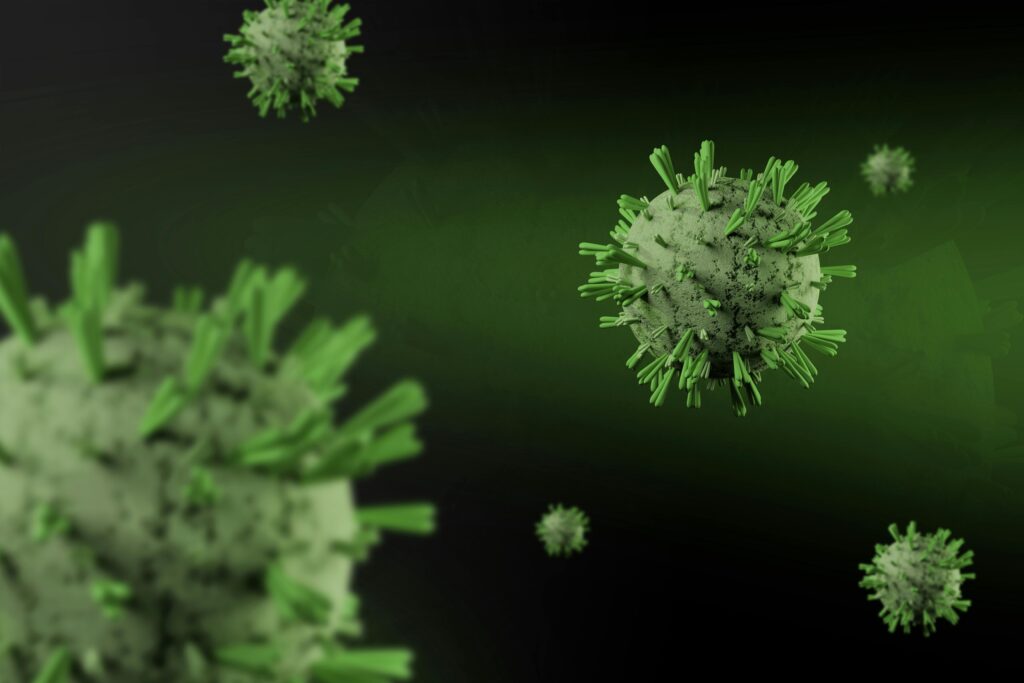
Researchers found that a type of giant virus called mimivirus makes a complex of three proteins that seizes control of its host’s protein-production system. Instead of making proteins the host cell needs, the system starts churning out viral proteins. This allows the virus to multiply wildly.
A team of scientists published their findings in the journal Cell on February 17. The research was led by Dr. Matthias Fischer from the Max Planck Institute for Medical Research in Germany, along with colleagues from the US and other institutions. The study focused on Acanthamoeba polyphaga mimivirus, which infects single-celled organisms called amoebae.
READ ALSO: https://modernmechanics24.com/post/china-seedance-2-0-ai-shakes-hollywood/
Virologists have long suspected that some viruses might be able to hijack the protein-making machinery of cells, but direct evidence was missing. Until now, scientists knew viruses could enter cells and use resources, but they did not fully understand how giant viruses could take over so completely. This study confirms that these viruses have a much more powerful toolbox than previously thought.
The researchers isolated viral proteins that interact with cell structures called ribosomes, which translate RNA into proteins. They identified three viral proteins that seemed likely to be involved in hijacking protein production. When they genetically engineered the viruses to lack any one of these three proteins, the viruses multiplied 1,000 to 100,000 times more slowly than normal viruses. This confirmed that these three proteins work together as a complex to take over the host’s production line.
Giant viruses are common in the environment and tend to infect protists—single-celled organisms like amoebae and protozoa that are everywhere in soil and water. Understanding how these viruses operate helps scientists learn more about viral evolution and how viruses interact with their hosts. This knowledge could eventually inform research into antiviral strategies or help explain the origins of complex life.
WATCH ALSO: https://modernmechanics24.com/post/us-giant-robot-fights-wildfires/
The study focused on one specific virus—Acanthamoeba polyphaga mimivirus—which infects only amoebae and does not affect humans. The findings may not apply directly to viruses that infect people or animals. More research is needed to understand whether similar mechanisms exist in other viruses.
This discovery changes how scientists think about viruses. It shows that viruses can co-opt one of the most fundamental processes of cellular life—protein production—with the help of genes they may have stolen from hosts over evolutionary time. Frederik Schulz, a computational biologist at Lawrence Berkeley National Laboratory who was not involved in the study, said this virus has a more powerful toolbox than other viruses to really replace what the host is doing. The findings open new questions about viral evolution and the boundaries between viral and cellular life.
Eugene Koonin, an evolutionary biologist at the US National Center for Biotechnology Information, noted that giant viruses tend to infect protists that are all over the place, making them an important part of the microbial world.