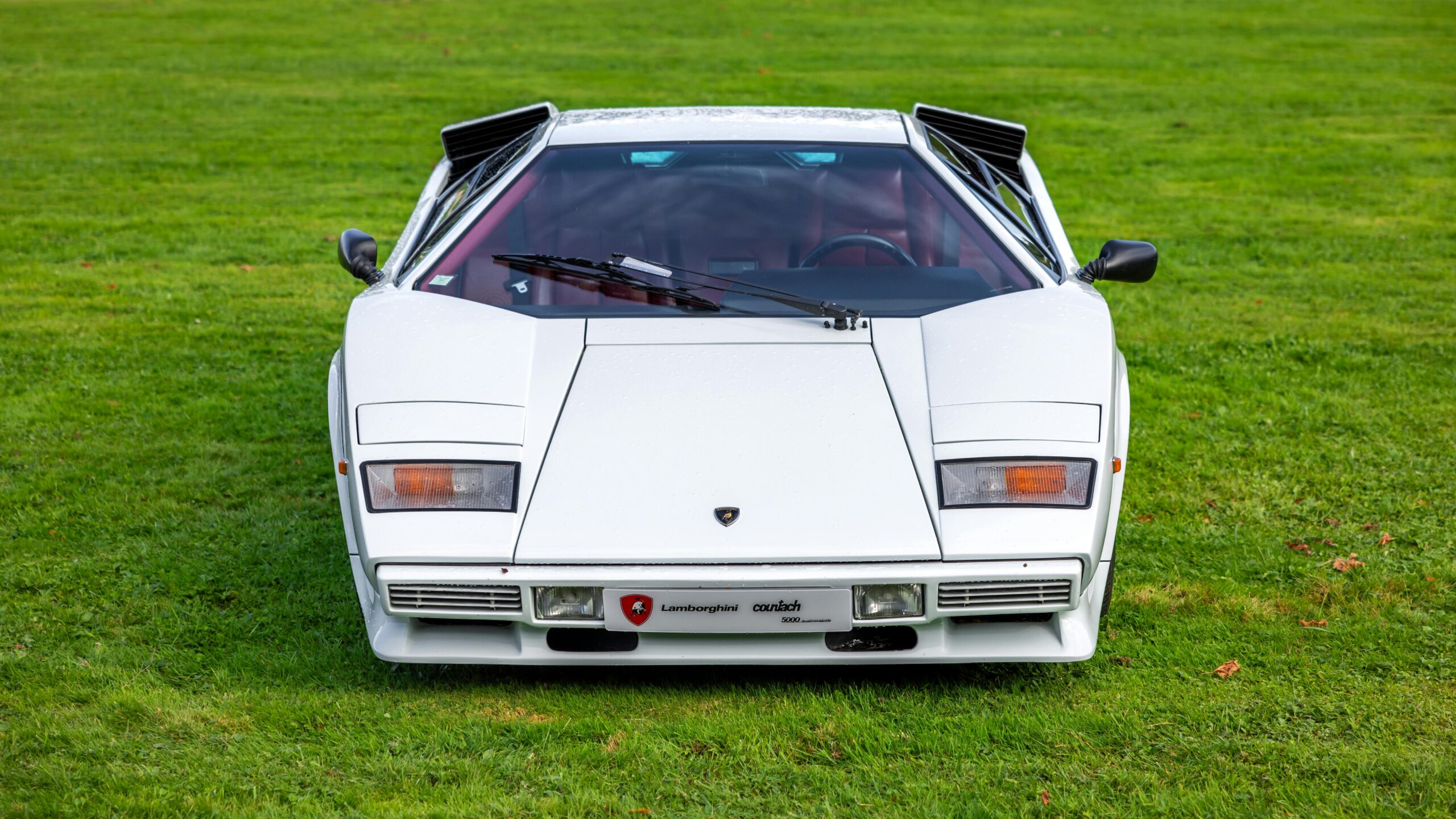
Several automakers fitted their classic sports cars and rally vehicles with dual fuel tanks to extend driving range and improve weight distribution. The feature helped drivers cover more miles between refuels while keeping the cars balanced on the road.
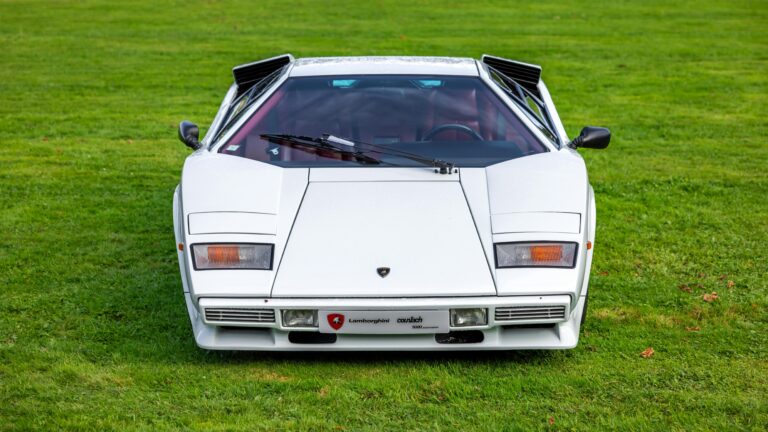
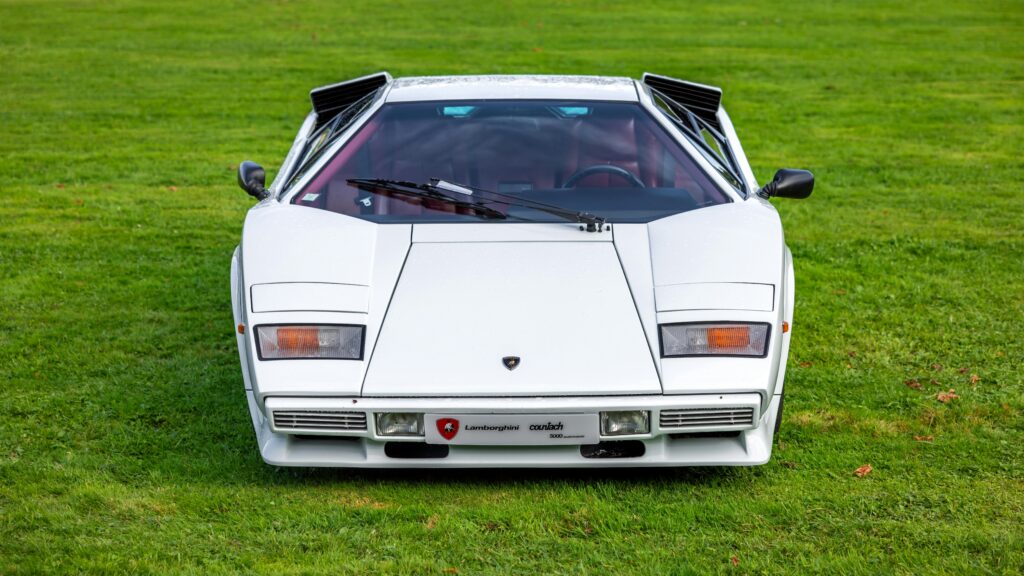
Lamborghini, Mini and Jaguar were among the manufacturers that built cars with two gas tanks from the factory. The setup allowed drivers to switch between tanks while moving, effectively doubling the distance they could travel without stopping.
European automakers led the way with dual-tank designs. Lamborghini fitted the system to its Countach and Espada models, while Jaguar used it in early XJ models. The original Mini Cooper S also featured two tanks, as did the tiny BMW Isetta city car.
READ ALSO: https://modernmechanics24.com/post/us-navy-ras-chief-autonomous-warfare/
Frequent refueling stops interrupt long journeys, especially in vehicles with thirsty engines. The Lamborghini Countach and Espada both used naturally aspirated V12 engines that consumed fuel quickly on highways. Dual tanks meant drivers could keep going without searching for gas stations as often.
Two separate fuel tanks connect to a switching system inside the car. When one tank runs low, the driver flips a switch to draw fuel from the second tank. If one fuel pump fails, the other tank can still deliver fuel, preventing breakdowns.
The Mini Cooper S used dual tanks not just for range but for rally success. The setup improved weight distribution, helping the small car handle better on rough terrain. The BMW Isetta paired a 3-gallon main tank with a ¾-gallon reserve—enough to avoid stranding drivers on grocery trips.
Modern trucks and cars rarely use dual tanks anymore. More efficient powertrains mean a single tank can now deliver the same range that two tanks provided in older vehicles. The feature has become largely redundant as fuel economy improved across the industry.
WATCH ALSO: https://modernmechanics24.com/post/hyundai-atlas-humanoid-robot-wins-honor/
Dual tanks represent a creative engineering solution from an era when big engines ruled the roads. While no longer necessary today, the setup shows how automakers once prioritised range and balance—qualities that made classic GTs, rally cars and even microcars more capable and fun to drive.