France’s Ministry of the Armed Forces has awarded a three-year contract to Mistral AI. The deal gives French forces secure access to generative AI tools. The goal is to speed up decision-making and data processing across the military.
The framework agreement was finalized in December 2025 and is led by AMIAD, the ministry’s defense AI agency. It grants access to foundation models, AI assistants, and document-processing tools for the armed services and for key institutions such as the CEA, ONERA, and naval hydrographic units.
READ ALSO: 32.76% Solar Efficiency Achieved: The Tiny Molecule Changing Tandem Cells
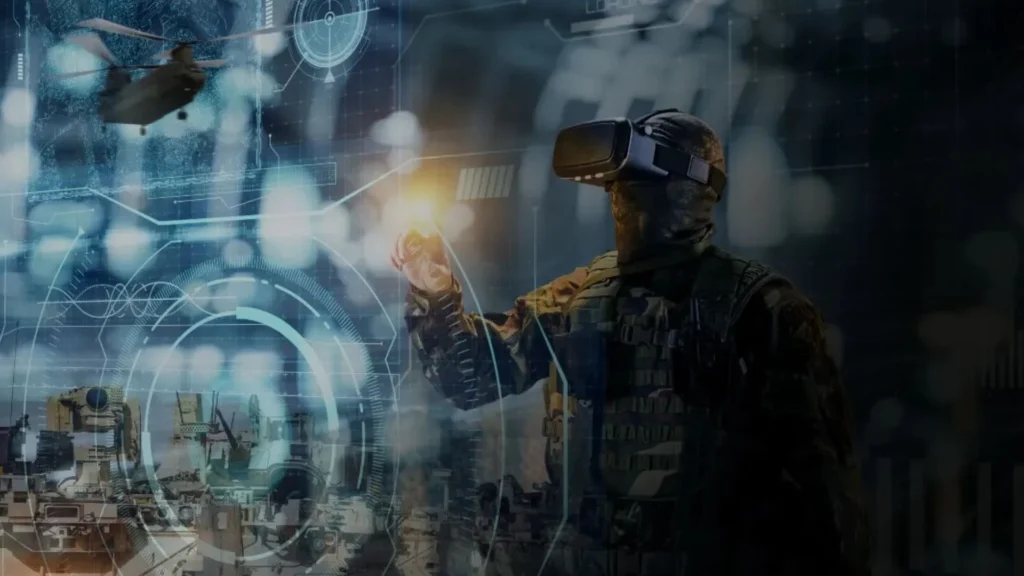
Modern military operations generate enormous amounts of data. Orders, intelligence reports, logistics updates, and allied documentation flow into staff offices. Manually processing this information is slow and can delay critical battlefield decisions.
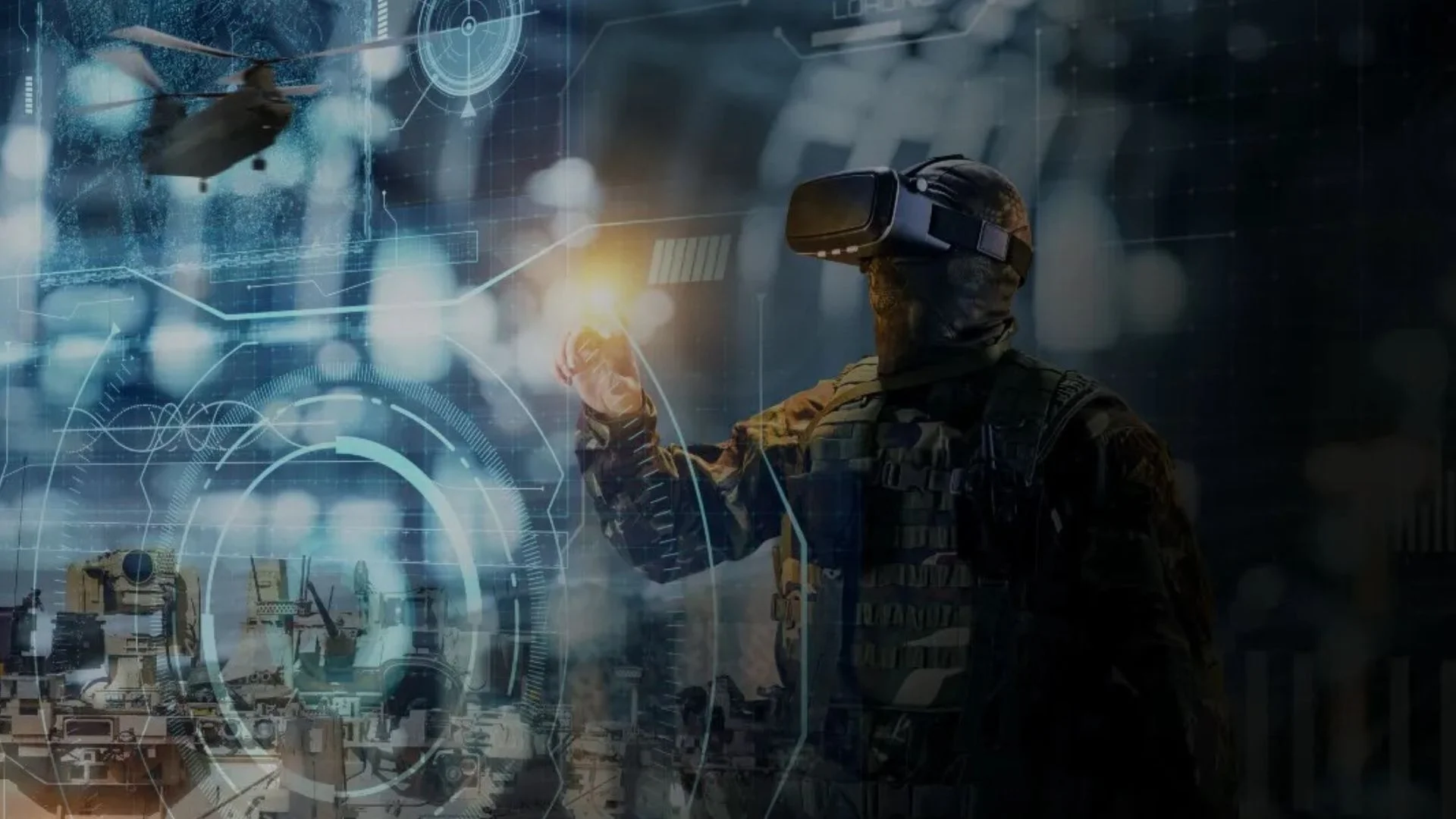
Mistral AI’s tools are designed to work securely. The contract focuses on on‑premises and private cloud deployment, keeping sensitive data inside France’s own infrastructure. The AI can summarize documents, translate foreign materials, extract text from scanned field reports, and cross‑reference information.
For the French Army, this means faster staff work. Commanders can obtain usable intelligence in minutes rather than hours. Early uses likely include translating technical manuals, creating briefing packs, and turning handwritten notes into searchable data. The tools are meant to assist humans, not replace them.
WATCH ALSO: China’s military showcases modern battlefield capabilities in new exercise
Generative AI still has limits. Models can produce errors, show bias, or be vulnerable to cyber threats. French defense officials will apply strict security checks and human validation before relying on any AI output.
This contract is part of a broader push for “sovereign AI.” France has invested in its own classified supercomputer, ASGARD, and doubled its defense AI budget. By choosing a French company, the ministry keeps control over its data and avoids dependence on foreign tech giants. For the Army, the real gain is speed: turning information into action before the enemy does.