Newly released investigation files show that convicted sex offender Jeffrey Epstein had deeper connections with scientists than were previously known.
The documents revealed how closely he interacted with researchers and science institutions over many years.
Jeffrey Epstein, a wealthy US financier, died by suicide in 2019 while facing serious charges of sex trafficking. Before his death, Epstein had built strong connections with the scientific community. He invested millions of dollars in research projects and maintained close personal ties with well-known scientists. Even after his 2008 conviction for sex crimes involving a minor, several researchers continued to associate with him, a fact that later sparked major controversy.
Last Friday, the US Department of Justice released more than three million documents linked to Epstein. The files include emails, photographs, and financial records. This release followed the passage of the Epstein Transparency Act by Congress last year. Officials described it as the largest public release of Epstein-related records to date.
READ ALSO: https://modernmechanics24.com/post/neutron-scattering-hidden-reactor-fuel/
The documents mention several scientists and academic institutions. Authorities have clarified that being named in the files does not prove any criminal activity. However, the records clearly show how deeply Epstein was involved in scientific projects he funded and how closely he interacted with researchers.
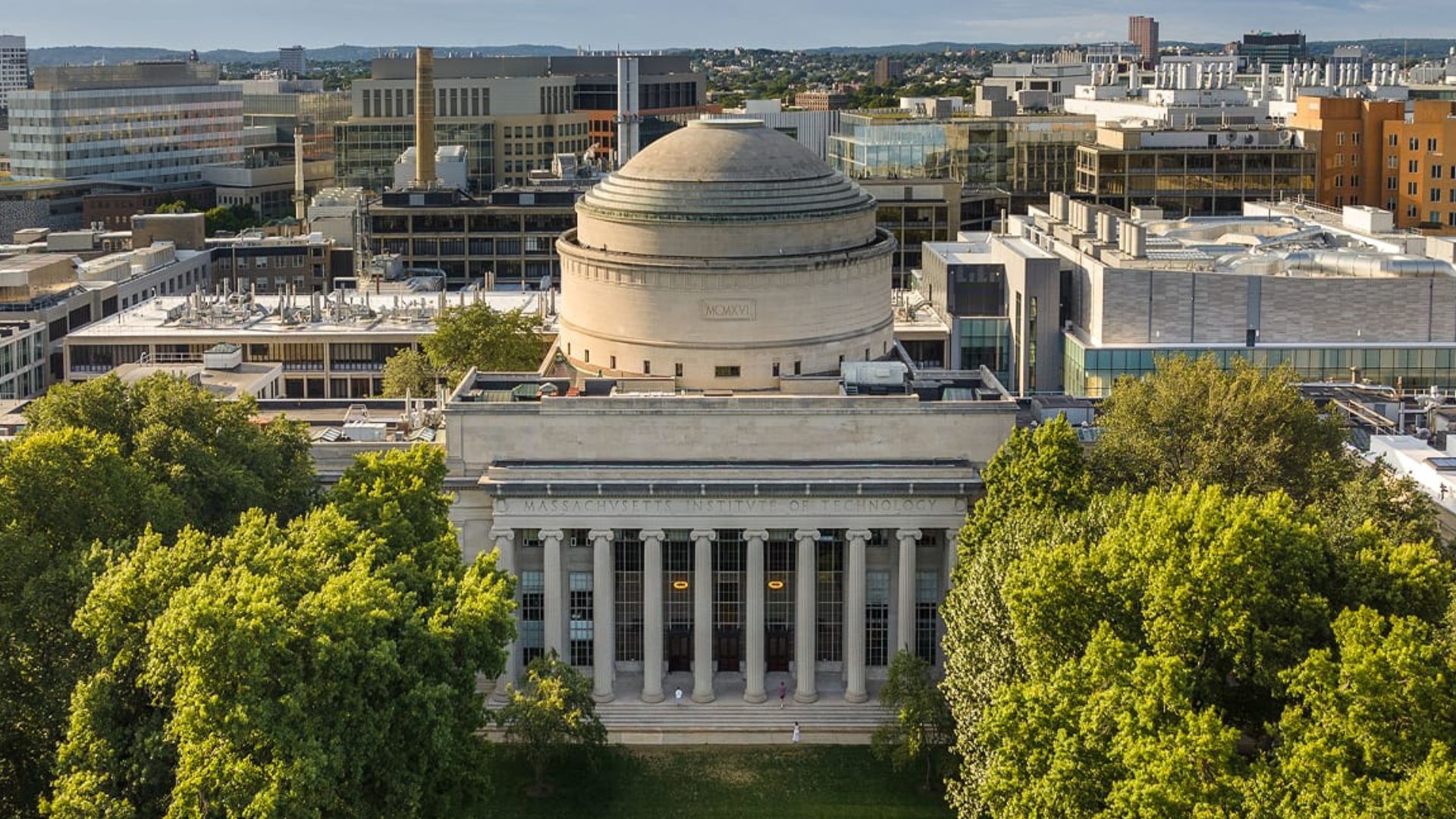
One of the most notable cases involved the Massachusetts Institute of Technology (MIT). The institute accepted donations worth around 800,000 US dollars from Epstein. After the funding came under public scrutiny, two senior scientists resigned, and another faced suspension.
The files also include emails involving theoretical physicist Lawrence Krauss. Epstein donated 250,000 dollars to Krauss’s science outreach organisation. In a 2018 email, Epstein reacted strongly when Krauss answered media questions about a sexual misconduct investigation that later led to Krauss’s removal from Arizona State University. Epstein wrote, “I thought we agreed no comment!!!!!”
Krauss later explained his actions in an email response. He said, “I sought advice from everyone I knew when false allegations about me were circulated.” He also added, “I had no knowledge of the horrendous crimes he was later accused of. I was as shocked as the rest of the world when he was arrested.”
WATCH ALSO: https://modernmechanics24.com/post/china-new-massive-battle-tank-live-fire/
The newly released records list nearly 30 prominent scientists who had connections with Epstein. One of them is Harvard physicist Lisa Randall. Emails show that she joked with Epstein about his house arrest after his 2008 conviction and visited his private island in 2014. Later, she publicly expressed regret. She told The Harvard Crimson, “I am appalled by the full extent of allegations against him and deeply regret maintaining contact.”
Another email from 2013 shows that Nathan Wolfe, then a virologist at Stanford University, suggested a research project to Epstein. Wolfe proposed a study on undergraduate students to test what he described as a “horny virus hypothesis,” suggesting that certain microorganisms might influence sexual behaviour. Wolfe later said Epstein never funded the study, although they met at Epstein’s homes in New York and Florida. Wolfe stated clearly, “I regret the association.”
Martin Nowak, a mathematical biologist, had one of the closest academic relationships with Epstein. In his 2011 book SuperCooperators, Nowak described how Epstein contacted him unexpectedly and invited him to his private island. Nowak wrote, “Jeffrey promised to build me an institute on the last day of my visit.”
After moving to Harvard University in 2003, Nowak established the Program for Evolutionary Dynamics with a 6.5 million dollar donation from Epstein. Epstein remained deeply involved, visiting the centre regularly and organising talks with scholars. One office in the building was even known as “Jeffrey’s Office.” Following growing criticism, Harvard shut down the centre in 2021.
READ ALSO: https://modernmechanics24.com/post/china-self-powered-eye-tracker-als/
The files also mention a 2009 financial transfer involving Nowak’s former student, Corina Tarnita. Epstein sent money to two women in Romania, which initially raised suspicion due to similarities with alleged trafficking payments. Tarnita later denied any wrongdoing and said the funds were scholarships for young female mathematicians. She explained that Epstein wanted to support women in mathematics, inspired by her own career. There is no evidence linking Tarnita to any criminal activity.
The massive document release has renewed debate about ethics, responsibility, and transparency in scientific funding. It raises difficult questions about how institutions and researchers should handle money from controversial figures and how such relationships should be judged in hindsight.