Scientists discovered a new species of dinosaur in China that changes what we know about dinosaur skin and evolution.
The newly identified species is named Haolong dongi in honor of Dong Zhiming, a pioneer of Chinese paleontology. Zhiming had played a key role in advancing dinosaur research in China.
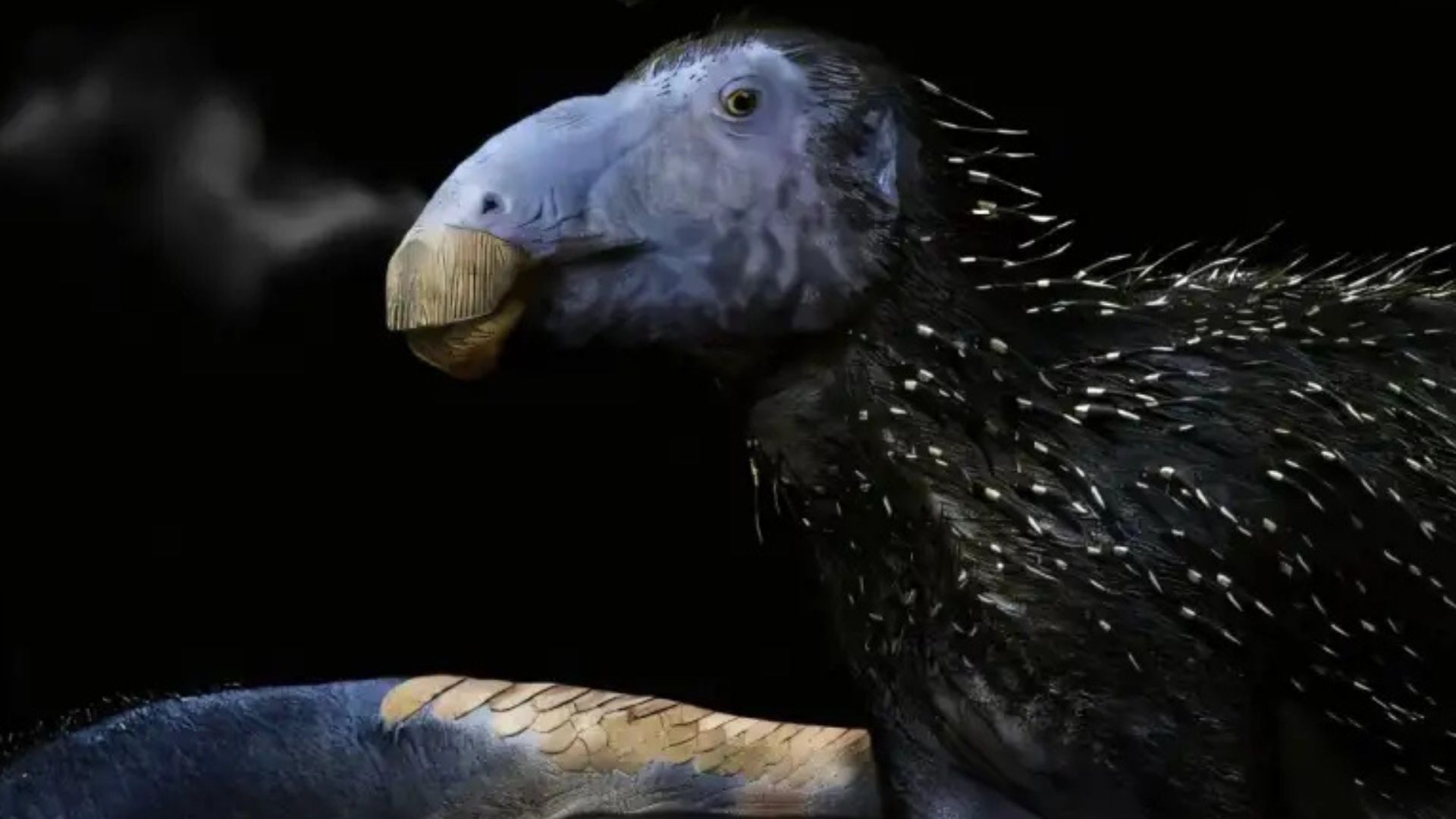
This species belongs to the Iguanodontia group and is the first dinosaur ever found with hollow skin spikes, structures that have never observed before in any dinosaur fossil.
The discovery was made by researchers from France’s National Centre for Scientific Research (CNRS) along with international partners. They uncovered the fossilized remains of an exceptionally well-preserved juvenile dinosaur dating back around 125 million years to the Early Cretaceous period.
What makes this fossil extraordinary is the preservation of its skin. Using advanced X-ray scans and high-resolution microscopy, scientists studied individual skin cells that had survived for millions of years. These studies revealed hollow, spike-like structures embedded in the skin and spread across much of the dinosaur’s body.
READ ALSO: https://modernmechanics24.com/post/china-tamper-proof-quantum-communication/
“This is the first time we have seen such complex cutaneous spines in a dinosaur,” the researchers said. “These structures represent a completely new evolutionary feature.”
Haolong dongi was a plant-eating dinosaur that lived in an environment filled with small carnivorous predators. According to researchers, the spikes likely served as a defensive mechanism, similar to how porcupines use their quills today. “These spines may have helped deter predators and increase survival,” the team explained, in their unprecedented discovery published in Nature Ecology & Evolution on February 6, 2026.
Beyond defense, scientists believe the spikes could have had other functions. They may have helped regulate body temperature or acted as sensory organs, although further research is needed to confirm these roles.
The discovery is especially important because no previous fossil evidence suggested that dinosaurs developed such skin-based spines.
However, since the specimen is a juvenile, scientists are still unsure whether adult Haolong dongi dinosaurs also had these spikes or if they disappeared with age.
WATCH ALSO: https://modernmechanics24.com/post/lightweight-materials-transform-aerospace/
The Iguanodontia Group
The Iguanodontia group has been known to science for over 200 years.
These dinosaurs were among the most successful herbivores of their time, spreading across Europe, Asia, and North America. They typically walked on two or four legs, had strong jaws for chewing plants, and played a major role in shaping prehistoric ecosystems by feeding on vegetation.
Until now, Iguanodontians were not known for having extreme skin features. The discovery of Haolong dongi adds an unexpected chapter to their evolutionary story and shows that this group was more diverse than previously thought.
Scientists say the new discovery opens new doors for understanding dinosaur biology and evolution. “This fossil shows us that dinosaurs still have many secrets to reveal,” the researchers said.