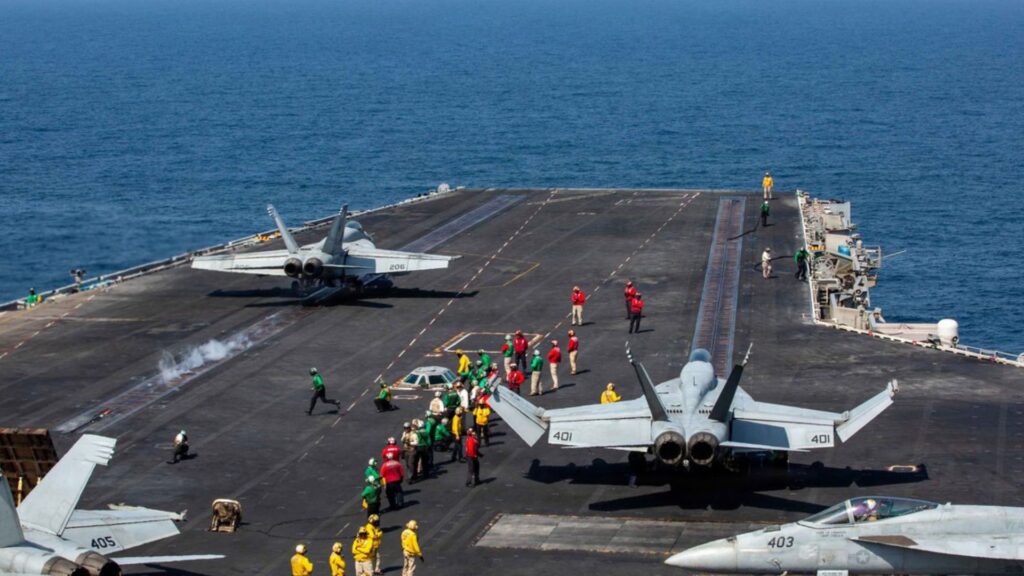
Tensions in the Gulf have sharply escalated after Iran claimed it struck the US aircraft carrier USS Abraham Lincoln with ballistic missiles.
The US has firmly denied the allegation, calling it false and misleading.
Iran’s Revolutionary Guards said four ballistic missiles hit the carrier after recent US and Israeli strikes killed Iran’s Supreme Leader, Ayatollah Ali Khamenei.
The statement warned that American forces would face severe consequences and described the Gulf waters as a future graveyard for aggressors.
However, the US military quickly rejected the claim. US Central Command (CENTCOM) said the missiles didn’t even come close.
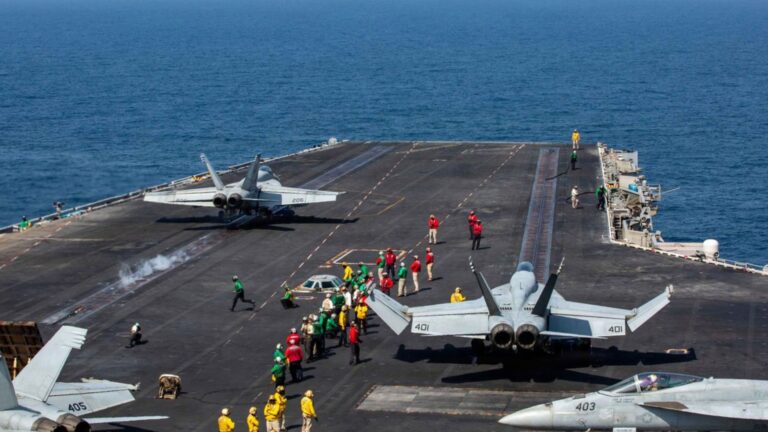
It added that the carrier continues normal flight operations in support of regional missions.
“The Lincoln continues to launch aircraft,” CENTCOM said in a post on X. It stressed that the ship remains fully operational.
The developments come amid the ongoing US military campaign, Operation Epic Fury.
READ ALSO: https://modernmechanics24.com/post/nano-qr-tech-future-of-data-storage/
CENTCOM also confirmed that its forces struck an Iranian Jamaran-class corvette at the start of the operation. According to the US, the vessel is sinking near the Gulf of Oman.
“As the President said, Iranian forces must lay down their weapons,” CENTCOM stated. It urged Iranian personnel to abandon the ship.
Meanwhile, Iran expanded its claims beyond the aircraft carrier. The Iranian consulate in Hyderabad said four drones struck a merchant ship carrying ammunition for American warships at Jebel Ali anchorage. It claimed the vessel was disabled after explosions on board.
Tehran also alleged that ballistic missiles and drones hit the American naval base in Kuwait’s Abdullah Mubarak area, causing heavy damage and casualties. The US has not confirmed those claims.
Ballistic Missile Threats in Busy Sea Lanes
The Strait of Hormuz remains a flashpoint. The British maritime security agency UKMTO reported that two commercial vessels were attacked. One ship was struck off Oman’s coast. Another was hit near the United Arab Emirates.
Anti-ship ballistic missiles are a relatively new threat. Such weapons gained attention during attacks in the Red Sea in 2023. They are designed to target moving ships at sea, a highly complex task.
Fattah-2
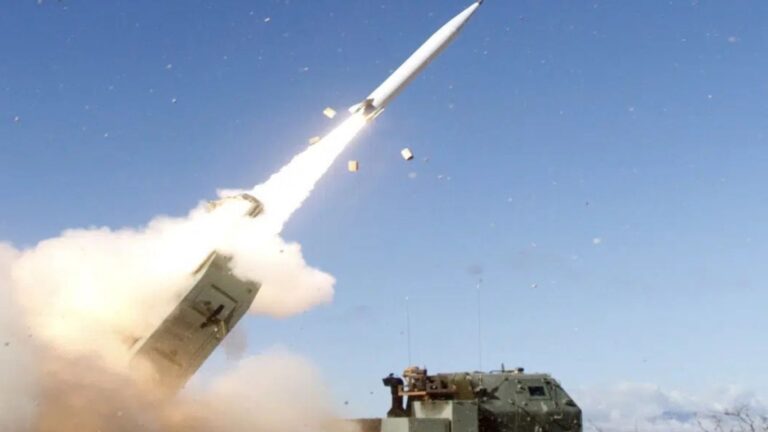
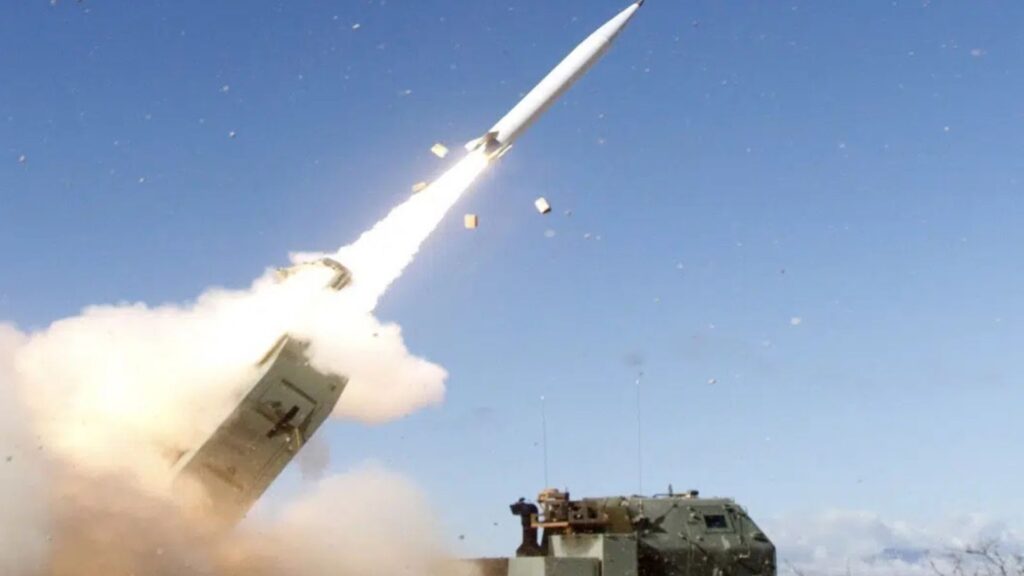
Iran’s claims have drawn attention to its advanced missile program, especially the Fattah-2. Tehran says this hypersonic missile can travel at speeds up to Mach 15 and has a range of 1,500 kilometres.
READ ALSO: https://modernmechanics24.com/post/vanishing-5x-sun-star-turns-black-hole/
The Fattah-2 uses a solid-fuel booster and a liquid-fuel second stage. It carries a 200-kilogram warhead. Iran says its hypersonic glide vehicle allows it to manoeuvre within the atmosphere and avoid interception.
Such speed and manoeuvrability could make interception difficult. But hitting a moving supercarrier is not easy, experts say.
A Moving Fortress at Sea
The USS Abraham Lincoln is a Nimitz-class nuclear-powered aircraft carrier. It carries over 5,000 personnel and dozens of fighter jets. It serves as a floating airbase and symbol of American power projection in the Middle East.
Importantly, the carrier is never stationary. It moves at speeds above 25 knots and frequently changes direction. To strike it accurately, an attacker needs real-time tracking data.
According to experts, Iran lacks a large satellite network capable of continuously tracking a fast-moving target at sea. Without precise, up-to-date coordinates, even a hypersonic missile may miss.
Layered Air Defense Shield
The aircraft carrier does not operate alone. It sails with guided-missile destroyers equipped with the Aegis combat system. These ships deploy advanced interceptors such as the SM-6 missile.
This layered defense shield can detect and destroy aerial threats from long distances, over 400 kilometres away. The system is designed to counter cruise missiles, drones, and ballistic threats.
READ ALSO: https://modernmechanics24.com/post/taiwan-tests-hai-kun-submarine/
Analysts say sinking a US supercarrier would require a massive, coordinated assault. A single missile strike is unlikely to achieve that.
Swarm Tactics and Escalation Risks
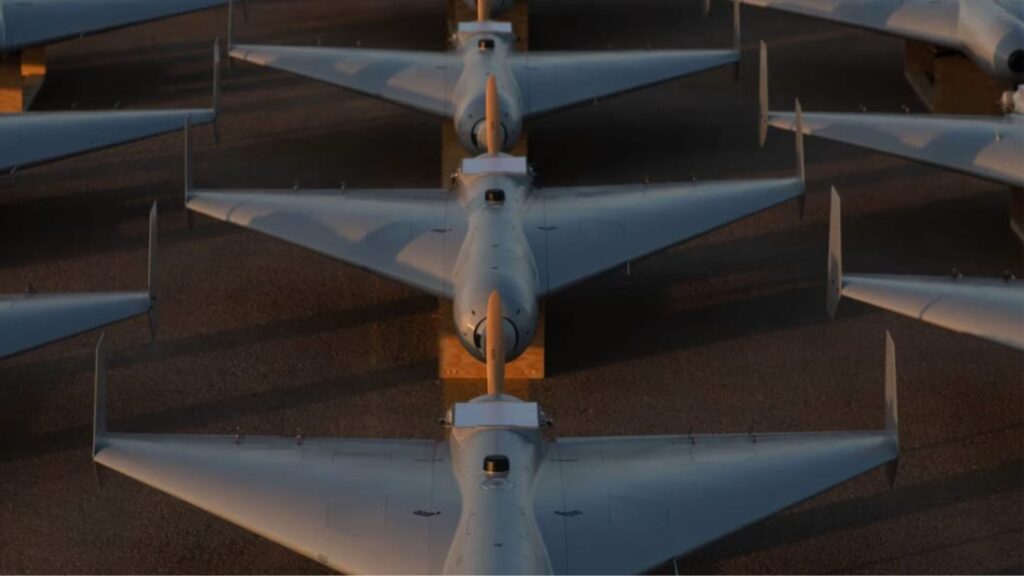
Iran is believed to possess a large stockpile of cruise missiles and drones. It could employ swarm tactics to overwhelm defenses before launching a high-speed missile such as the Fattah-2.
A direct hit could cause casualties or damage aircraft on the flight deck. But destroying a 100,000-ton nuclear-powered carrier remains highly improbable.
However, there is no independent confirmation that the USS Abraham Lincoln was struck. The US military insists the claim is false. Iran maintains its position.
With tensions rising and military operations expanding, the Gulf region stands on edge. Shipping lanes are under threat. Naval forces are on alert. And, the Abraham Lincoln continues operations in the Arabian Sea.