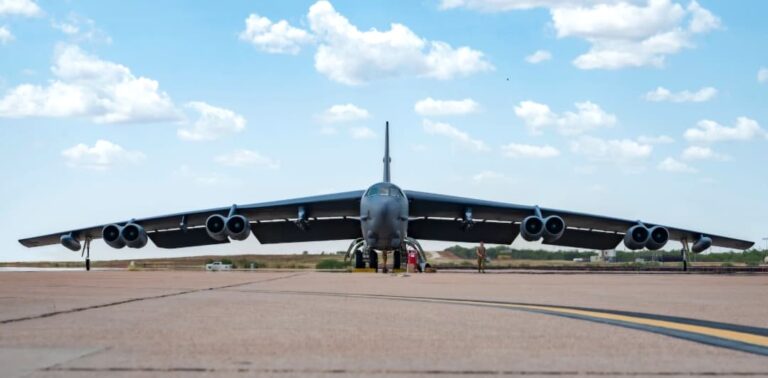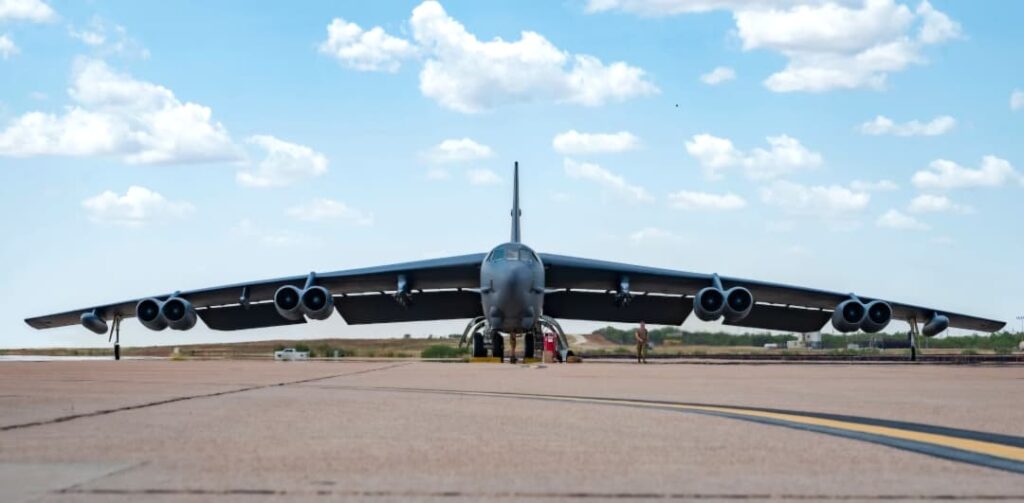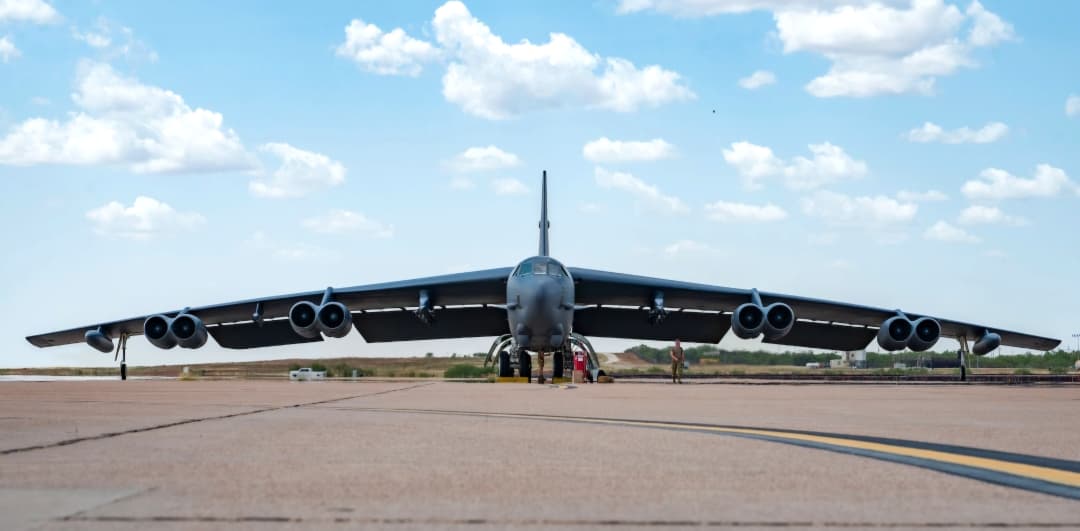
The US Air Force has increased the number of B-52 Stratofortress bombers available for operations by nearly 40% under its North Star Readiness Campaign.
Air Force Global Strike Command presented the figure during the Air, Space & Cyber Conference. The result comes as the United States works to maintain its current bomber fleet while moving toward the B-21 Raider era.
North Star was created to address problems that keep bombers on the ground for longer than planned. The campaign focuses on maintenance delays, spare-part shortages, depot workloads, engineering support and other sustainment issues. Its goal is to increase the number of B-52 and B-1 aircraft that are ready for missions.
Air Force Global Strike Command announced the initiative earlier in September. The command said the campaign brings together operators, maintenance organizations, acquisition and sustainment specialists, the Defense Logistics Agency and industry partners. These groups are working toward a shared objective of improving aircraft availability across the bomber force.
READ ALSO: https://modernmechanics24.com/post/attalon-ship-valaris-laser-defense/
The campaign treats aircraft readiness as a wider supply and maintenance issue. A bomber may remain grounded because a replacement part is unavailable, an engineering decision is pending or depot work takes longer than expected. North Star is designed to identify these problems earlier and move the required support through the system faster.
Gen. S.L. Davis, commander of Air Force Global Strike Command, presented the nearly 40% improvement in B-52 availability on September 16. The figure provides a measurable indication of the campaign’s effect on the bomber fleet. It also shows how changes outside the flight line can affect the number of aircraft available for operations.
Faster Parts Reach Bombers
One of North Star’s main measures is a daily aircraft-on-ground meeting. Representatives from the Defense Logistics Agency, supply organizations, base logistics units and maintenance teams use these meetings to identify aircraft that are waiting for support. The process gives different organizations a direct way to address problems instead of handling them separately.
The Air Force has also worked to shorten the movement of parts between locations. Some lateral shipments that previously took a week or more are now taking as little as two or three days. Even a reduction of several days can increase the number of aircraft available for training, deployments and other missions.
Maintenance teams are also using locally developed playbooks to reduce delays. These procedures provide maintainers with clearer methods for handling recurring work and resolving common problems. The Air Force says the changes are being made without reducing required safety or security standards.
The same approach is being applied to the B-1 Lancer fleet. North Star is focusing on important structural and avionics components while Air Force Materiel Command and the Defense Logistics Agency work to improve depot-level support. The effort is intended to reduce the time that aircraft remain unavailable because of parts and maintenance issues.
WATCH ALSO: https://modernmechanics24.com/post/ai-turns-slides-into-cancer-protein-map/
B-1 Parts Problems Decline
The B-1 effort has produced a separate readiness gain. Mission-impacting parts problems, known as MICAPs, have fallen from more than 450 to about 160 since the campaign began. That represents a reduction of roughly two-thirds.
A MICAP occurs when the absence of a required part affects an aircraft’s ability to perform its mission. A lower number means maintenance teams face fewer cases in which a missing component directly prevents an aircraft from being used. It also gives supply and maintenance personnel more time to examine recurring problems and important backorders.
The B-1 is an older aircraft that remains an important part of the US conventional strike force. It has intercontinental range, high speed and a payload capacity of up to 75,000 pounds. Unlike the B-52, the B-1 is used for conventional missions and does not perform the nuclear mission.
The improvement in B-1 parts support and the rise in B-52 availability point to the wider purpose of North Star. The campaign is not limited to repairing individual aircraft after they become unavailable. It is also aimed at finding supply and maintenance problems before they create longer disruptions.
B-52 Faces Long Transition
The B-52 remains a major element of the US long-range bomber force. The aircraft supports conventional operations and is part of the country’s nuclear deterrent mission. Its continued availability therefore affects both day-to-day operations and broader strategic planning.
The Stratofortress is also undergoing major modernization. The Air Force plans to keep the aircraft in service for decades while upgrading its systems and capabilities. Maintaining a larger number of operational B-52s becomes more important as aircraft move through maintenance, testing and modernization programs.
The bomber fleet is also entering a period of major change. The B-21 Raider is being developed as the next generation of US strategic bomber. Until the new aircraft becomes fully operational, the Air Force must continue to rely on the B-52, B-1 and B-2 to provide long-range strike capacity.
The B-2 Spirit remains part of that transition as well. The Air Force is sustaining the stealth bomber while the B-21 moves through its development and introduction process. This creates a period in which older aircraft must remain available while newer systems are prepared for operational service.
READ ALSO: https://modernmechanics24.com/post/us-air-force-c17-production-restart/
Readiness During Modernization
For Air Force Global Strike Command, higher availability provides additional room to manage this transition. More mission-capable aircraft give commanders more options for training, deployments and operational requirements. They also reduce the effect that individual aircraft being in maintenance can have on the overall fleet.
The B-52 is particularly important because its service life extends far beyond the period originally expected when the aircraft entered service. Its long operational history has required continuing maintenance and modernization. Improving the supply chain can, therefore, help support the aircraft as it receives new equipment and remains in service.
North Star also addresses an industrial and logistics challenge. Maintaining an aging fleet requires access to replacement components, engineering expertise, depot capacity and reliable suppliers. Coordinating those resources becomes more important when multiple aircraft types are being sustained at the same time.
The campaign’s approach also shows why aircraft availability depends on more than the work done by maintainers at an air base. A missing component at a supplier, a delayed shipment or a pending engineering decision can keep an otherwise serviceable aircraft on the ground. Reducing those delays can increase the number of aircraft that return to operations without adding new airframes.
Preparing For B-21 Era
The reported B-52 improvement comes at a time when the US bomber force is balancing current operations with long-term modernization. The Air Force needs its existing aircraft to remain available while resources are directed toward the B-21 and other future capabilities. North Star is intended to support that balance by improving the performance of the existing sustainment system.
The campaign also provides a way to measure progress through practical indicators. B-52 availability has increased by nearly 40%, while B-1 mission-impacting parts problems have dropped from more than 450 to approximately 160. These figures give the Air Force concrete measures for tracking whether changes in logistics and maintenance are producing more usable aircraft.
The wider effect will depend on whether these improvements can be maintained over time. Bomber readiness is affected by aircraft age, maintenance workloads, parts availability, modernization schedules and the capacity of the supporting industrial base. Continued attention to those areas will remain important as the United States introduces the B-21 while keeping its existing bombers operational.
North Star therefore arrives during a period of overlapping bomber generations. The B-52 and B-1 remain active while the B-2 continues to be sustained and the B-21 moves toward wider operational use. Maintaining higher availability across the existing fleet gives the US Air Force more usable long-range strike capacity during that transition.