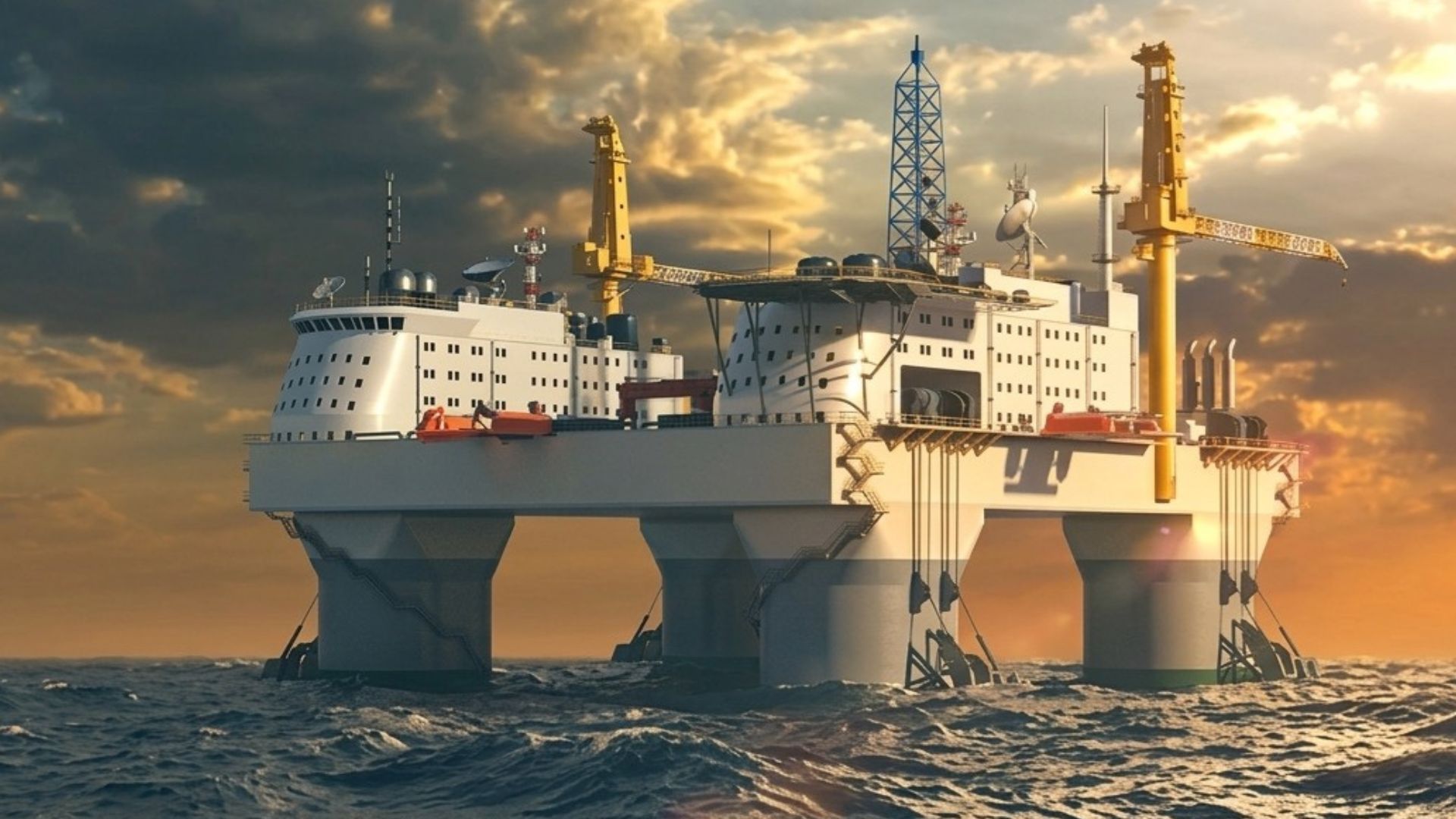
China has launched a massive floating artificial island in Shanghai, marking a major step in deep-sea exploration.
Designed as an advanced research hub, this artificial island will operate in extreme ocean conditions year-round. It aims to support scientists studying marine resources, underwater ecosystems, and cutting-edge ocean technology.
The project, described as the world’s first of its kind, is designed to operate in deep-sea conditions year-round. Officials have named it the ‘Open-Sea Floating Island.’
State media reported that the platform is part of a national science and technology programme.
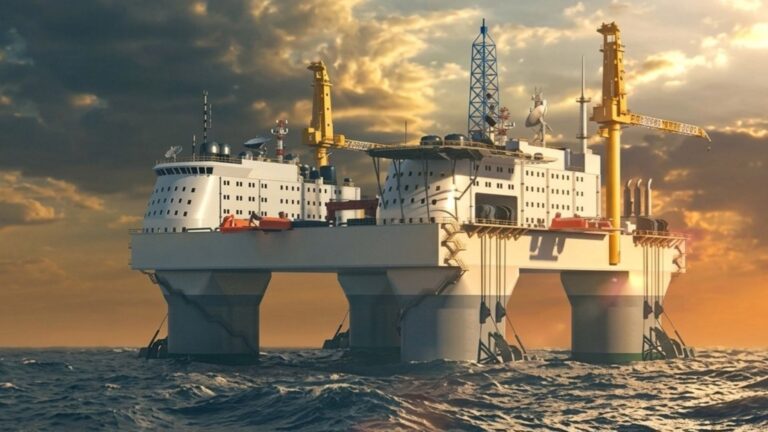
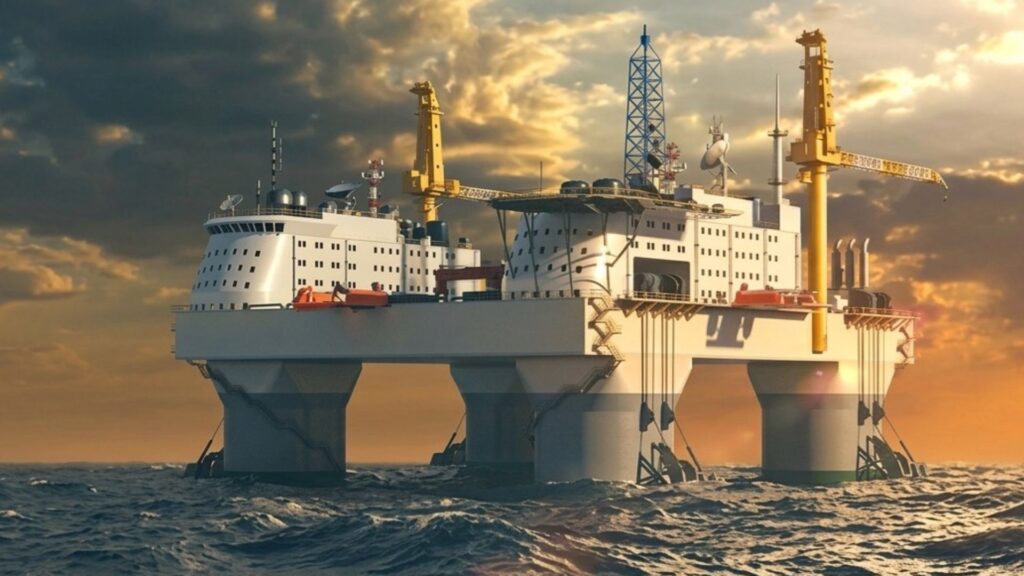
The structure is not a single unit. It combines three key systems: a main floating platform, ship-based laboratories, and land-based support facilities.
READ ALSO: Beneath the Waves: Iran’s Mini Submarines Turn Hormuz Into Trade Threat
These systems will allow scientists to conduct complex experiments far from shore. At the heart of the project is its unique design. Engineers have built the platform using a ‘semi-submersible twin-hull’ structure.
This design keeps it stable even in rough seas. It can support the testing of heavy deep-sea equipment, including machines weighing hundreds of tons. The facility will also allow researchers to explore depths of up to 10,000 meters in the ocean.
“This platform supports full-scale testing and deep-sea exploration under real conditions,” state media said, highlighting its advanced capabilities.
The floating platform is expected to play a key role in the study of marine resources. It will help test technologies used in deep-sea mining and offshore oil and gas operations.
WATCH ALSO: Researchers from German have developed a diving robot that can easily collect underwater waste
Scientists also plan to use it to better understand marine ecosystems. Researchers believe it could help track seasonal changes in ocean life and study how life evolved in extreme underwater environments.
“This facility will expand our understanding of the deep ocean and its hidden systems,” experts involved in the project said.
Another important goal is to improve weather prediction. By collecting real-time ocean data, the platform could help scientists better understand typhoons. This may lead to more accurate forecasts and stronger disaster response systems.
The project is led by Shanghai Jiao Tong University, which has also established a dedicated institute for deep-sea science and engineering.
The institute will focus on developing new technologies and supporting long-term ocean research.
READ ALSO: TUM Finds Thermal Stress Behind Early Perovskite Solar Cell Damage
Construction of the floating platform is expected to continue over the next several years. Officials say the full facility should be ready by 2030.
Once completed, it will act as an open testing ground for scientists, engineers, and industries working in the marine sector. This is a major step forward in the global race to explore and use ocean resources.
With this project, China is not just expanding its research capabilities; it is also positioning itself at the forefront of deep-sea innovation. The vast and largely unexplored ocean may soon reveal more of its secrets.