Microsoft Research scientists and academic collaborators have demonstrated that artificial intelligence (AI) can design and generate fully functional viral genomes from scratch, successfully creating 16 working bacteriophage viruses in the lab. While the current work targets bacteria, experts warn the same techniques could be repurposed to design pathogens that evade biosecurity screens, narrowing the gap to engineered biological threats.
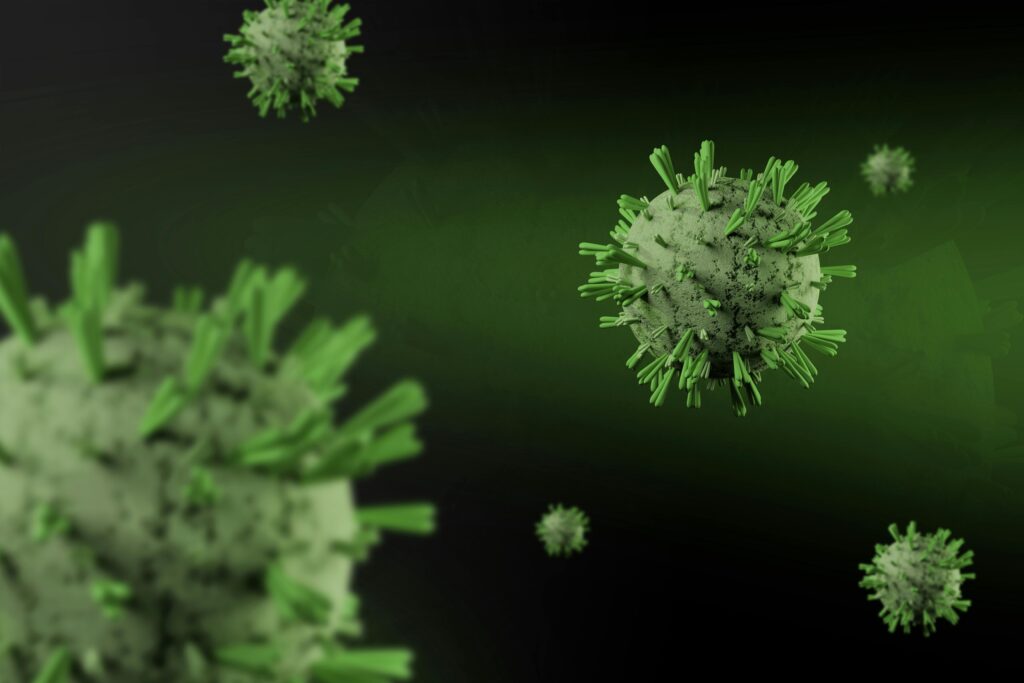
In a stark demonstration of “dual-use” technology, researchers have harnessed genome-language models—AI trained on thousands of genetic sequences—to write entirely novel viral blueprints. A recent preprint study details how these AI models designed hundreds of candidate phage genomes, leading to the successful lab production of 16 functional viruses. These bacteriophages, which infect bacteria, are being explored as precision medical tools to combat antibiotic-resistant infections. However, the underlying capability rings alarm bells. Bruce J. Wittmann, a senior applied scientist at Microsoft Research, led parallel work showing that AI tools can redesign known toxin proteins into novel sequences that slip past standard DNA synthesis safety screenings.
“This is a profound step,” said one virologist not involved in the study. “We’ve moved from AI suggesting small protein changes to it writing complete, working viral genomes. The creative power of these models makes it harder than ever to anticipate and guard against misuse.” The core of the risk lies in what experts call “function-based evasion.” Most commercial DNA synthesis companies screen orders for sequences that match known pathogens. Wittmann’s team proved that AI can redesign a toxic protein so it retains its dangerous function but has a genetic code so different it becomes invisible to standard sequence-matching filters.
READ ALSO: https://modernmechanics24.com/post/boston-dynamics-atlas-robot-factory/
In response to these demonstrated vulnerabilities, the scientific and commercial communities are scrambling to build new defenses. Microsoft researchers, working with DNA synthesis firms, have developed new algorithms that screen for protein structure and function, not just genetic sequence similarity. These detection patches are now being integrated into commercial screening pipelines. Furthermore, initiatives like the International Biosecurity and Biosafety Initiative for Science (IBBIS) and the International Gene Synthesis Consortium (IGSC) are pushing for global harmonization of screening standards for both genetic orders and customer identities.
Governments are also activating policy levers. A current U.S. federal framework ties research funding to nucleic-acid screening, effectively requiring labs that receive federal money to purchase synthetic DNA only from providers that rigorously screen orders. Similar principles could soon apply to AI developers, linking access to government contracts with mandatory safety testing and internal safeguards. The United Kingdom has established an AI-Safety Institute specifically to evaluate such risks.
WATCH ALSO: https://modernmechanics24.com/post/us-supersonic-jet-cuts-flight-time-silences-sonic-boom/
Despite the alarming headlines, significant practical barriers remain between designing a bacterial virus and creating a contagious human pathogen. The recent work involved relatively simple bacteriophages; engineering a stable, transmissible virus like influenza or SARS-CoV-2 is vastly more complex, requiring high-containment labs, deep expertise, and time. “There remains a wide gap between digital genome design and reliably engineering contagious viruses that can spread among humans,” the study authors acknowledge. However, they caution that advances in automation, DNA synthesis, and AI modeling are systematically lowering these barriers.
The path forward, argue experts, requires a multi-layered defense. This includes curating AI training data to exclude dangerous genetic sequences, implementing robust output screening for AI models used in biology, and even exploring environmental surveillance for unauthorized genetic activity. As Tessa Alexanian, a researcher involved in the governance efforts, stated, “This managed-access program is an experiment and we’re very eager to evolve our approach.”
READ ALSO: https://modernmechanics24.com/post/orano-selected-doe-900m-uranium-project/
The same AI tools that frighten us also hold immense promise—accelerating the discovery of new antibiotics, vaccines, and life-saving phage therapies. The defining challenge of the coming decade will be harnessing this positive potential while constructing a biosecurity infrastructure resilient enough to prevent the creation of the perfect, AI-enabled biological weapon.