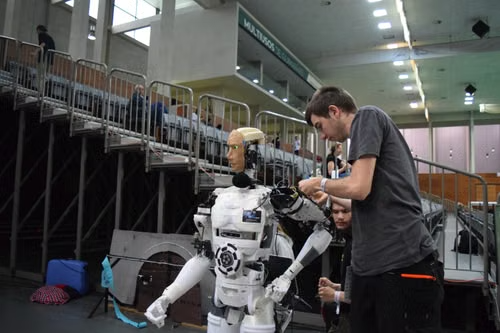
The Technical University of Munich (TUM) and NEURA Robotics have opened a new robot training center at Munich Airport in Germany. Called the TUM RoboGym, the facility will train around 100 humanoid and service robots across 48 training cells, helping them learn real-world tasks and become safer and more reliable.
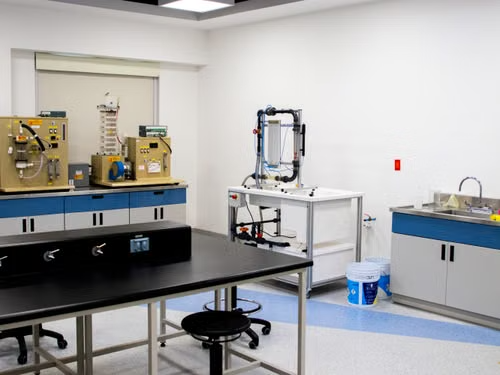
The new center was developed by TUM’s Munich Institute of Robotics and Machine Intelligence (MIRMI) in partnership with NEURA Robotics. Located at the LabCampus innovation hub, the facility combines robotics research, practical training, computer simulations, and powerful computing systems.
AI training center focuses on embodied AI, also known as Physical AI
The center focuses on embodied AI, also known as Physical AI. This technology allows machines to understand their surroundings and perform physical tasks instead of only processing information on a computer.
Researchers will train robots to perform jobs such as folding boxes, assembling components, handling tools, and moving materials. These skills could support industries such as manufacturing, logistics, and warehouse operations.
Unlike AI chatbots that learn from large amounts of online information, robots need data from physical actions. They must learn how objects feel, how much force to apply, and how to respond when something changes during a task.
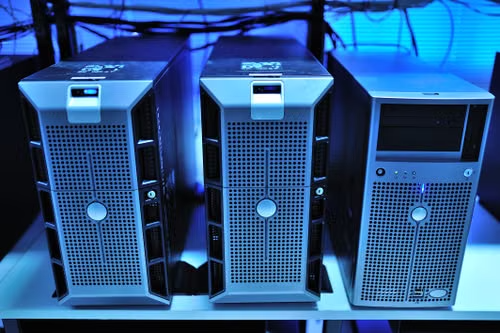
The TUM RoboGym will collect this information through robot training and computer simulations. The data will be stored in a managed cloud database, allowing researchers to use it to train and improve AI models. This could help robots learn new tasks and perform them more consistently.
AI center will train robots to perform jobs such as folding boxes, assembling components
The facility will also introduce NEURA Robotics’ 4NE1 Gen 4 humanoid robot, designed for industrial work and powered by the company’s Neuron AI system. Researchers and companies will be able to use the center to test robotic skills and explore how research can become useful products.
The project brings together academic knowledge and industrial experience. TUM provides scientific expertise, while NEURA contributes robots, technical infrastructure, and computing resources.
The long-term goal is to help turn laboratory research into practical robotics solutions. If successful, the work could make it easier for companies to adopt robots for repetitive or physically demanding jobs.
However, robots still need extensive training and testing before they can reliably handle different tasks in real workplaces. The center’s results will depend on the quality of the training data and how well the learned skills transfer to new environments.