New footage has provided a rare look at several of the US Army’s next-generation combat vehicles during live-fire testing.
The M1E3 Abrams tank and two XM30 infantry fighting vehicle prototypes were seen firing rounds as the Army evaluates equipment for future armored units. The event also featured the Mobile Tactical Cannon, new optical systems and robotic counter-drone equipment.
Alexander Miller, chief technology officer to the US Army chief of staff, shared the footage on LinkedIn.
Miller said he went hands-on with the M1E3 pre-prototype, one of the XM30 vehicles and the Mobile Tactical Cannon during the event. He also watched robotic systems from the Army’s Operation Jailbreak Falcon Fury effort engage drones, although the Army has not identified the location or participating units.
The M1E3 represents a major redesign of the Abrams family, not a routine upgrade. The Army began the program in 2023 after cancelling the planned M1A2 SEPv4 modernization effort. The Army publicly showed an early M1E3 prototype at the Detroit Auto Show in January.
The new tank uses an uncrewed turret and an automatic loading system. Its three-person crew sits inside the hull, while digital controls and an open systems architecture are designed to simplify future hardware and software upgrades.
Four M1E3 pre-prototypes built by Roush are scheduled to reach the Army’s 1st Armored Brigade Combat Team, 1st Cavalry Division, later this year. The unit, known as the Iron Horse brigade, is based at Fort Hood, Texas. General Dynamics Land Systems is also producing additional vehicles for the program.
XM30 Competition Moves Ahead
The XM30 Mechanized Infantry Combat Vehicle program is replacing the Bradley infantry fighting vehicle. General Dynamics Land Systems and American Rheinmetall are competing for the contract with their Wolf and Lynx-based designs.
Both companies have now delivered their prototypes. General Dynamics delivered its vehicle at the end of August, while Rheinmetall followed with its prototype in early September. Each company is building eight vehicles for the Army’s testing program.
The prototypes are scheduled to go to the Iron Horse brigade for soldier evaluations. Testing includes a rotation at the National Training Center in spring 2027, where soldiers will assess how the vehicles perform during demanding field exercises.
The Army plans to use those trials to inform its selection. The Army expects to decide on the winning XM30 design after soldier testing and related evaluations are complete.
READ ALSO: https://modernmechanics24.com/post/smart-wallpaper-turns-humidity-power/
Mobile Artillery Joins Testing
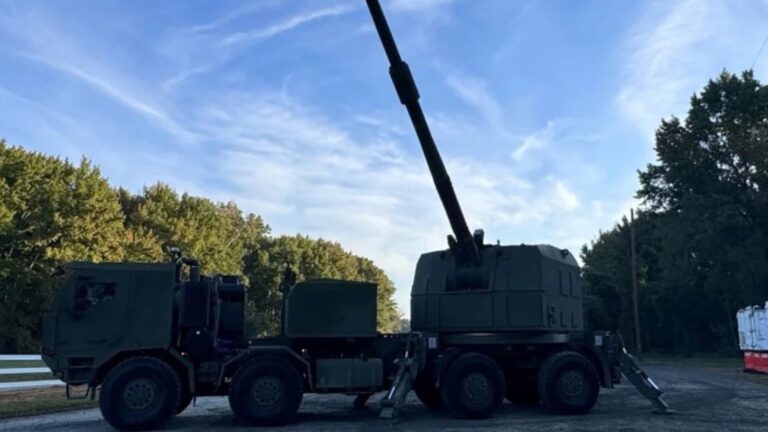
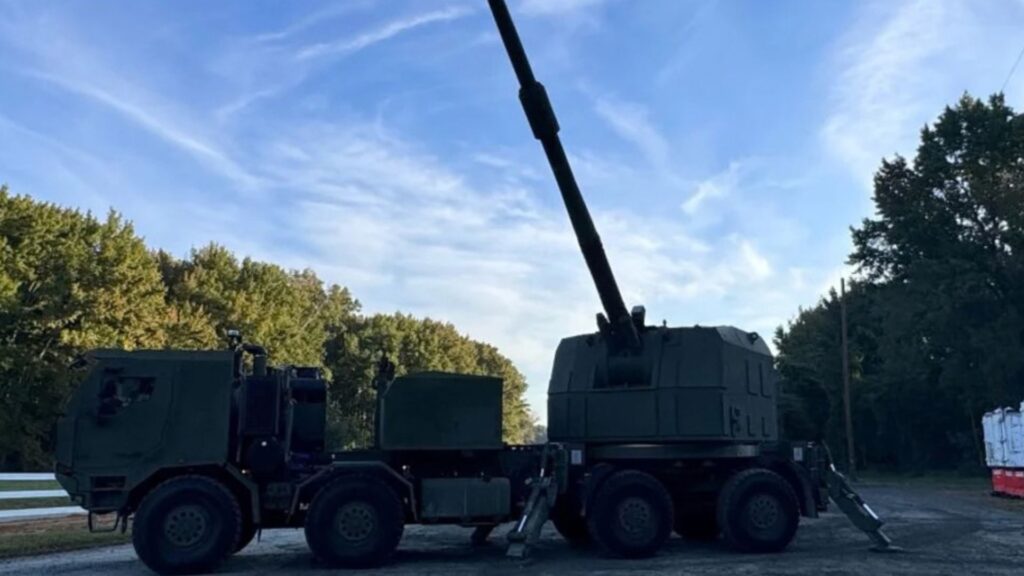
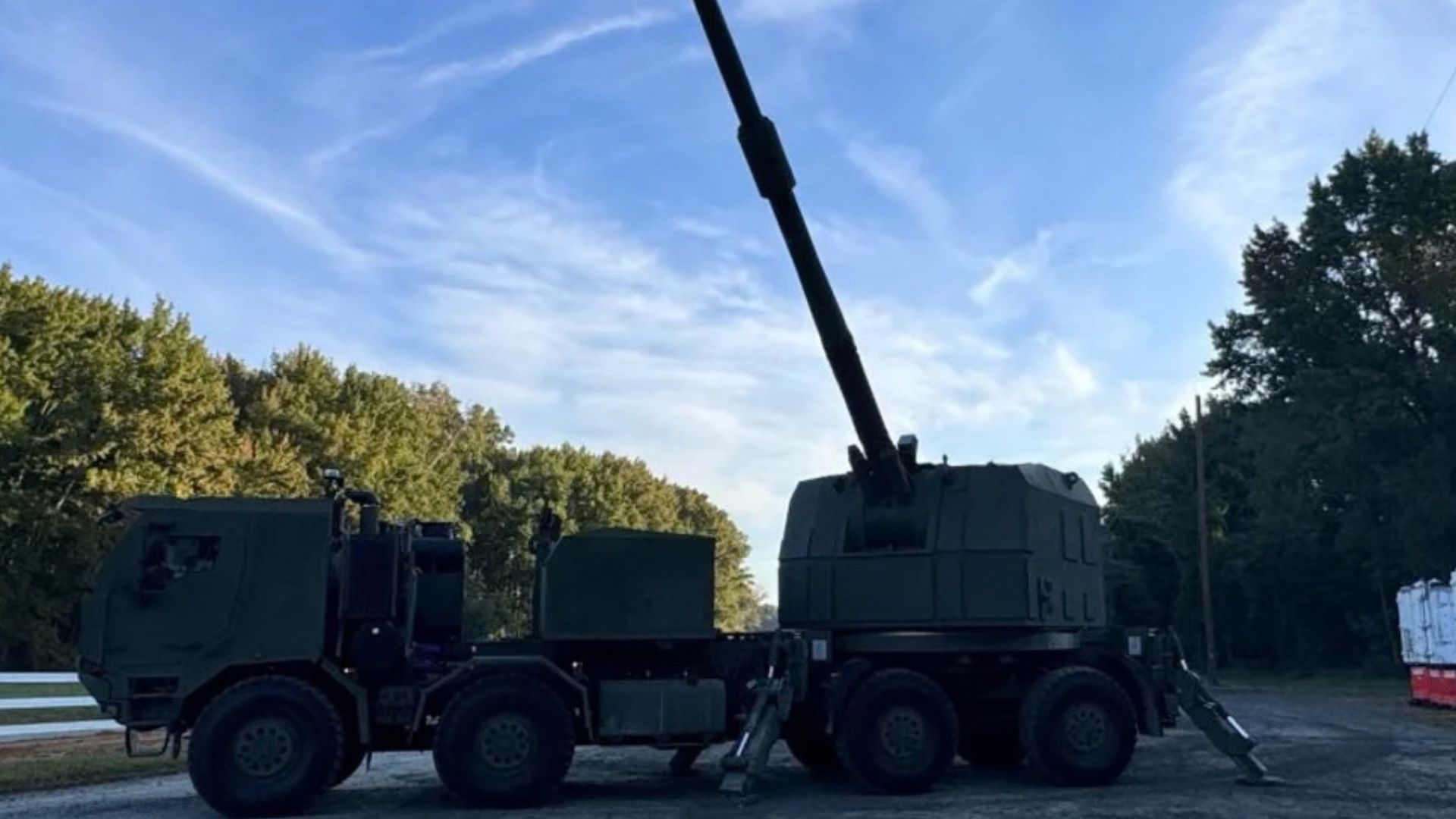
The live-fire event also included the Mobile Tactical Cannon, the Army’s planned replacement for the towed M777 155 mm howitzer. The program is focused on a self-propelled gun mounted on a wheeled platform, giving artillery units greater mobility between firing positions.
In August, the Army selected Hanwha Defense USA’s K9 Mobile Howitzer for the program. The initial order covers six prototypes, with an option for another 12 vehicles. The system is intended to let artillery crews fire and relocate more quickly than systems that depend on towing equipment between positions.
The combination of armored vehicles, artillery and counter-drone systems reflects the Army’s broader effort to connect different capabilities on the battlefield. Miller said the systems must work with digital networks that allow information and targeting data to move between units and equipment.
The Army’s Next Generation Command and Control program provides the data platform for different tools and applications. The Integrated Battle Command System-Maneuver manages fire control and assets linked to counter-drone sensors and weapons.
Drones And Power Shape Warfare
Miller also described the role of inexpensive drones in future operations. He said the Defense Innovation Unit’s Drone Dominance Program supplies low-cost, attritable drones to Army units through its drone marketplace.
Operation Jailbreak focuses on making sensors, weapons, and software from different manufacturers work together. The effort initially targets counter-drone and air defense missions, areas where the Army expects a growing mix of manned, unmanned and autonomous systems.
The footage showed robots engaging drones during the event. Miller did not identify the robots or disclose which weapons they used, leaving the counter-drone demonstration’s exact configuration unclear.
Miller also raised another practical problem for modern combat units: electrical power. He said individual soldiers typically draw between 60 and 120 watts depending on their equipment, while a squad can approach 1 kilowatt before accounting for the additional demand from drone batteries.
He said mobile power systems must avoid creating detectable visual, acoustic, or infrared signatures. That requirement matters as armies use more sensors, communications equipment, drones and electronic systems in forward positions.
The live-fire footage gives the public an early view of several systems that will shape the Army’s next stage of armored warfare. The M1E3 and XM30 programs now face further testing with soldiers, while the Mobile Tactical Cannon and counter-drone systems move through their own evaluation paths.
The results of those trials will help determine how quickly these technologies enter operational units and how the Army combines heavy vehicles with autonomous and low-cost systems.