

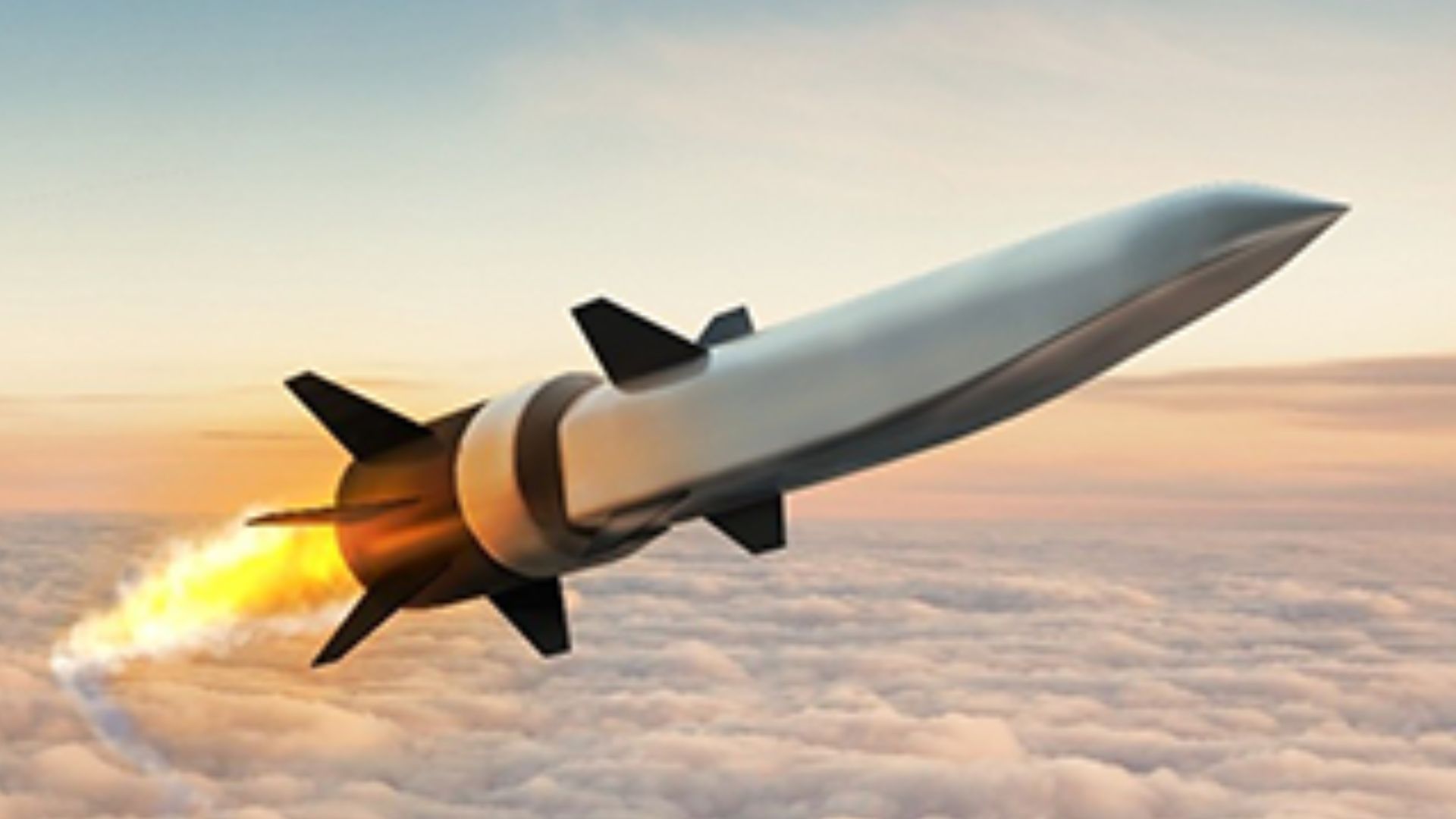
The US and Australia have begun flight testing the Hypersonic Attack Cruise Missile (HACM).
The test marks the first known release of the long-delayed missile over an Australian test range. It moves HACM into a key phase as the US Air Force prepares for a possible rapid acquisition decision in fiscal year 2027.
The Royal Australian Air Force released a HACM flight test unit during the test. The event was conducted under the Southern Cross Integrated Flight Research Experiment (SCIFiRE). The program is part of more than 15 years of US-Australian work on advanced hypersonic technology.
The Air Force has not disclosed the test date or location. It has also not identified the aircraft used for the release. Officials have not confirmed whether the missile continued powered flight after being released.
US Government Accountability Office reports have previously identified Australian F/A-18F Super Hornets for some HACM tests. The US Air Force plans to use the F-15E Strike Eagle as the missile’s initial launch platform. The new flight test will provide data on HACM’s propulsion, flight control, and other systems.
HACM builds on technology developed under DARPA’s Hypersonic Air-breathing Weapon Concept (HAWC). Raytheon, part of RTX, is developing the missile, with Northrop Grumman supporting its scramjet propulsion system. The goal is to turn the tested technology into an operational air-launched hypersonic weapon.
How The HACM Missile Works
HACM is designed as an air-launched hypersonic cruise missile. Unlike a conventional rocket-powered missile that carries its own oxidizer, an air-breathing weapon uses atmospheric oxygen to support combustion during flight. This allows the propulsion system to operate differently from the rocket motors used on many existing missiles.
The missile uses a scramjet propulsion system. Scramjet is short for supersonic combustion ramjet, and the basic principle is relatively simple despite the engineering challenges involved. The engine takes in air at very high speed, compresses it through the engine’s shape, and burns fuel while the airflow remains supersonic.
A scramjet cannot provide useful propulsion from a standing start. The missile therefore needs another propulsion system to accelerate it to the speed required for the scramjet to operate. HACM uses a rocket booster for this initial acceleration before the booster separates from the cruise stage.
The Government Accountability Office has described HACM as a two-stage air-breathing missile.
The first stage provides the initial boost, while the second stage contains the scramjet-powered cruise vehicle. After separating from the booster, the cruise stage continues its flight at hypersonic speed before eventually diving toward its target.
Hypersonic speed is generally defined as Mach 5 or faster. The US Air Force and its industry partners have not publicly confirmed HACM’s maximum speed. Information about the missile’s range, detailed flight profile, and other performance characteristics also remains limited.
The design resembles earlier US hypersonic research programs. Boeing’s X-51 Waverider, for example, used a scramjet to demonstrate sustained hypersonic flight. The earlier HyFly 2 effort also explored high-speed air-breathing propulsion and advanced vehicle configurations.
Some earlier vehicles used a waverider configuration. Such designs use the shockwaves generated during high-speed flight to help produce lift and improve aerodynamic performance. It remains unclear whether HACM uses the same approach.
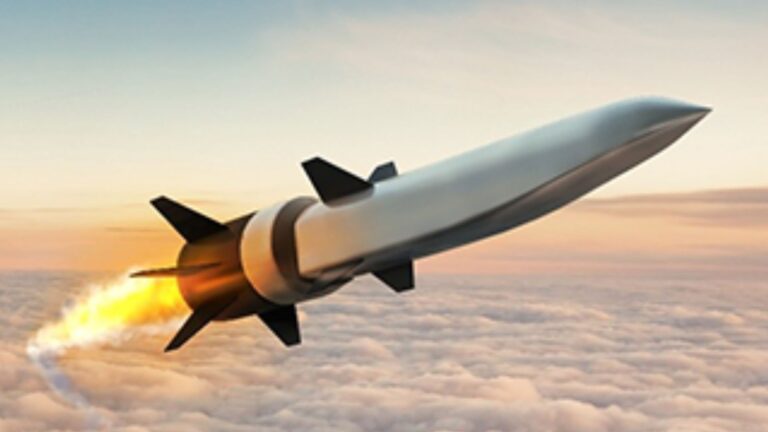
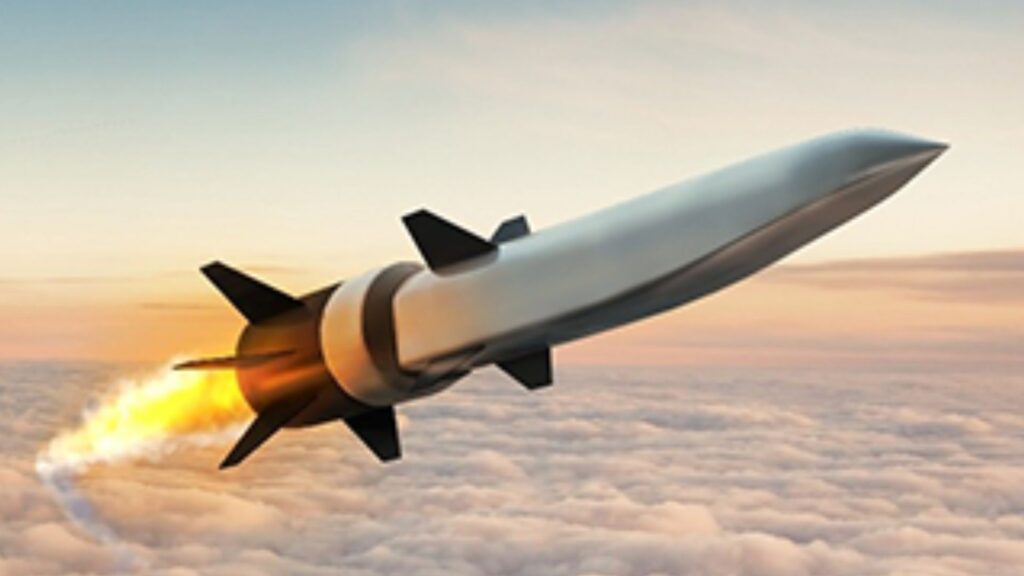
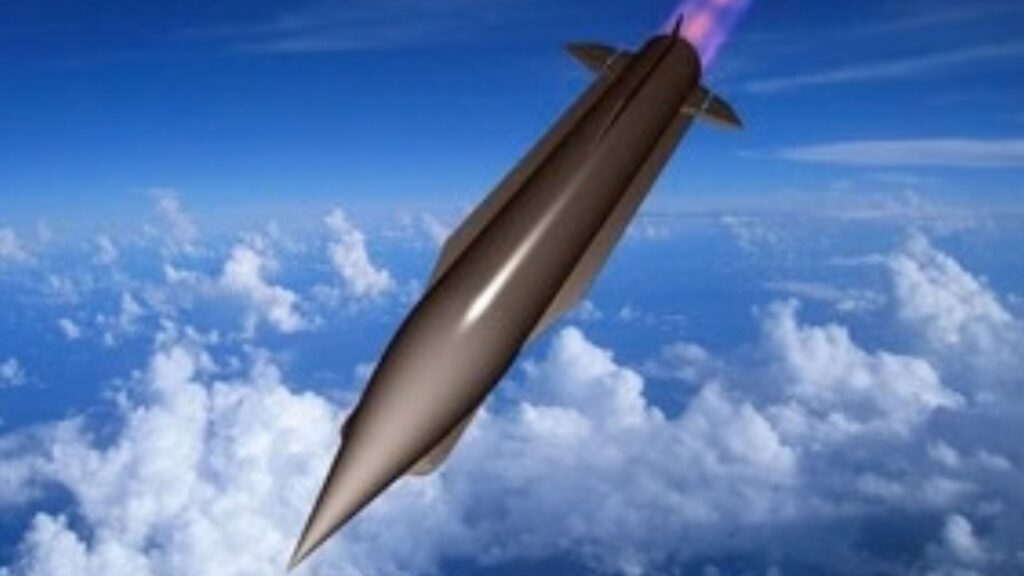
The Air Force and Raytheon have not released a confirmed image or official rendering of the production HACM missile.
In 2023, the Air Force released an image showing an air-breathing hypersonic cruise missile test article. Still, it did not clearly establish whether the vehicle represented HACM or an earlier HAWC-related system. That has left the public with limited visual information about the final missile.
Australia Expands Test Role
Australia’s role in HACM reflects the growing depth of defense cooperation between Washington and Canberra. The two countries have worked together on hypersonic research, flight testing and other advanced military technologies for years. Australia provides large test areas that are suitable for experiments involving high-speed vehicles and long flight paths.
The Woomera Test Range has long been considered a likely location for US-Australian hypersonic experiments. Located in South Australia, the range covers a vast area and supports tests involving missiles, aircraft and other high-speed systems. Its remote location also provides controlled conditions for testing sensitive technologies.
The latest Air Force statement did not confirm that Woomera was used for the HACM release. The service referred only to a designated Australian test range. Further information about the location may emerge as the program progresses and additional testing takes place.
READ ALSO: US Missile Hub Camden, Arkansas: 10,000 Residents, 4,000 Missile Workers, a Town Straining
The reported involvement of Australian F/A-18F Super Hornets is significant because these aircraft can carry weapons externally and support specialized test missions. The US Air Force has identified the F-15E Strike Eagle as the initial US platform for HACM. Other aircraft are expected to be considered as the program matures.
Using aircraft to launch a hypersonic weapon provides an important flexibility advantage. A missile does not need to begin its mission from a fixed ground position, and an aircraft can carry it closer to the intended launch area. This can extend the weapon’s overall reach while giving commanders more options for where and when to release it.
The Australian contribution also gives both countries opportunities to test the weapon under conditions that are difficult to reproduce at smaller ranges.
Hypersonic vehicles travel through the atmosphere at extreme speeds, creating complex aerodynamic and thermal conditions. Flight tests are therefore essential for collecting information that cannot be obtained fully through laboratory work or computer simulations.
Delays Put Schedule Pressure
HACM has reached flight testing later than originally planned. The Air Force initially expected the weapon to begin flight testing in 2024. That target moved to 2025, then to 2026, as development work continued.
A July report from the Government Accountability Office described the schedule as having almost no remaining margin. The report said the Air Force had reduced the number of planned rapid-prototyping flight tests from seven to five. The change was intended to help the program remain aligned with its broader schedule.
The rapid-prototyping effort is planned to produce 13 missiles. Those weapons include flight-test assets, test spares, and rounds intended for operational purposes. The reduced test program places greater importance on the results from each remaining flight.
The GAO warned that a major failure during testing could prevent the Air Force from completing all five planned tests within the five-year rapid-prototyping period. The report also said that completing at least the first three flight tests was considered important for informing the decision to begin a rapid-fielding effort. That decision is tied to the Air Force’s fiscal year 2027 plans.
The Air Force has already changed the development sequence to protect the schedule. Program officials told the GAO that some activities have been performed at the same time rather than one after another. In some cases, parts validation testing has taken place while the overall system design was still being completed.
That approach can save time, but it also introduces additional engineering risk. If a component fails validation after the design has advanced, engineers may need to change the part and repeat some of the work. The Air Force has accepted that risk as it attempts to prevent further schedule movement.
The rapid-fielding target is especially important because fiscal year 2027 began on October 1. The GAO previously identified the first quarter of fiscal year 2027 as the Air Force’s more specific target for beginning the rapid-fielding effort. It is not clear whether the service can maintain that exact timetable after the delays in flight testing.
The latest test at least gives the program a tangible flight milestone. Future tests will need to demonstrate how the missile performs across different parts of its planned flight profile. Those results will help determine whether the Air Force can proceed toward procurement without another major schedule change.
Hypersonic Competition Broadens
HACM is being developed as the US expands its range of hypersonic weapon programs. The US Army, Navy and Air Force have all pursued different approaches to high-speed missiles over the past decade. Several of those efforts have experienced technical, funding, or schedule problems.
The US Navy canceled its Hypersonic Air-Launched Offensive Anti-Surface Warfare (HALO) program last year. The service subsequently shifted attention toward other systems, including the Multi-mission Affordable Capacity Effector effort. Castelion’s Blackbeard missile is associated with that newer direction.
Blackbeard also uses a two-stage configuration, although its propulsion arrangement differs from HACM. The exact details of Blackbeard’s second-stage propulsion have not been fully confirmed publicly. Castelion is developing an air-launched version for the Navy and a ground-launched version for the Army.
The comparison shows that US hypersonic development is moving in several directions. HACM focuses on an air-breathing cruise missile that uses a scramjet after rocket-assisted acceleration. Other programs are examining different propulsion systems, launch methods, and manufacturing approaches.
Cost is another part of the discussion. Earlier US hypersonic programs were generally associated with highly advanced weapons that were expected to be expensive and produced in relatively small numbers. Newer programs place more attention on designs that can be manufactured in larger quantities while retaining useful range, speed, and survivability.
This issue matters because advanced weapons require both capability and sufficient inventory. A missile that is highly capable but available only in small numbers has a different operational value than one that can be produced and replaced faster. The HACM program will therefore face questions about production capacity and cost as well as technical performance.
The US and Australia have continued to describe hypersonic weapons as important capabilities for future military operations. Their interest is particularly strong in the Indo-Pacific, where long distances and sophisticated air-defense systems create demanding conditions for long-range strike missions.
Air-launched hypersonic cruise missiles offer one option for attacking distant and time-sensitive targets while reducing the time available for an opposing force to respond.
HACM’s progress also matters in the context of competition with China. Beijing has invested heavily in hypersonic weapons and has fielded systems that have drawn close attention from the US military. Washington’s effort to move HACM from development toward operational procurement is therefore part of a larger attempt to expand its own high-speed strike capabilities.
The first Australian release does not mean that HACM is ready for operational deployment. The missile still has to complete additional flight testing and demonstrate that its major systems work together reliably. The Air Force must then determine whether the weapon is ready for a larger procurement effort.
For now, the flight test gives HACM the milestone it has worked toward for several years. The next tests will be closely tied to the Air Force’s plan to make a rapid-fielding decision in 2027.
However, HACM will shift from extended development to limited production and eventual integration with US aircraft, while continued testing with Australia will help shape the weapon’s path into service.





One Response