

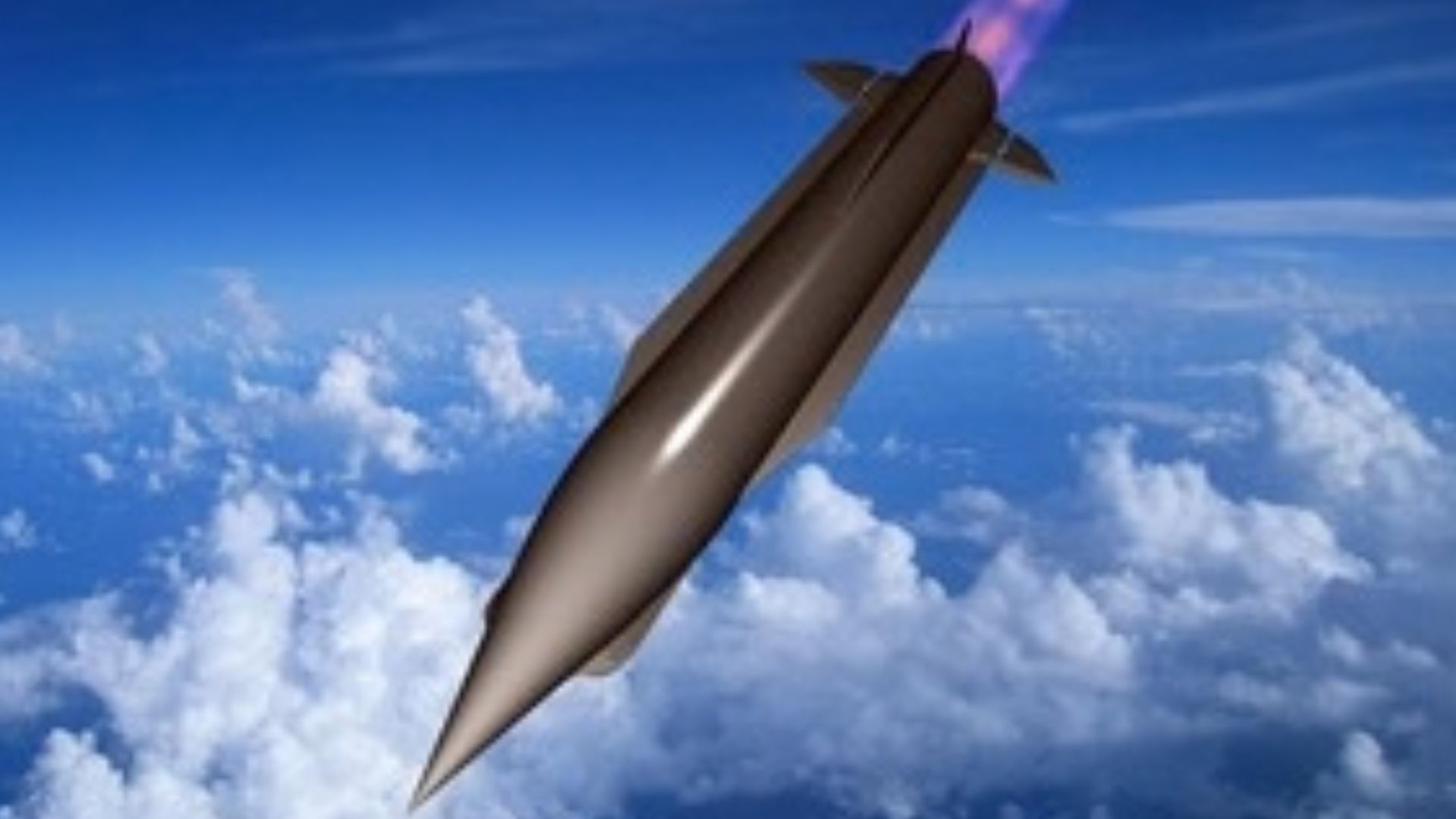
North Korea says it has tested an intermediate-range strategic hypersonic missile that flew about 1,000 kilometers before hitting a designated target in the East Sea.
Leader Kim Jong Un oversaw the launch as military tensions between North and South Korea remained high. Pyongyang also claimed the missile used a maneuvering flight path that challenged tracking efforts by South Korea and Japan.
North Korea’s state-run Korean Central News Agency said the missile was launched northeastward from an eastern part of the country at dawn on Saturday.
It described the weapon as an intermediate-range strategic missile linked to a hypersonic strategic weapon system. The missile reportedly traveled around 1,000 kilometers before striking a target in waters of the East Sea, also known internationally as the Sea of Japan.
The reported range exceeds the initial assessments released by South Korea and Japan. South Korea said its military detected a ballistic missile that traveled more than 700 kilometers, while Japanese authorities reported a shorter flight distance. The different figures mean that the exact flight profile and final range claimed by Pyongyang remain disputed.
North Korea said the drill was designed to train missile troops operating the hypersonic system and assess its reliability, efficiency and mobility.
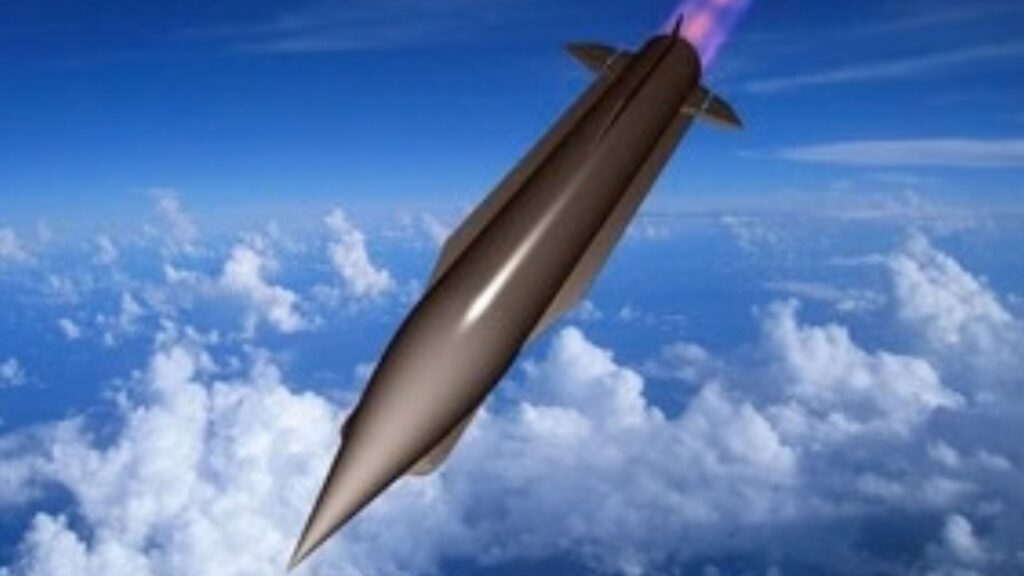
Hypersonic weapons travel at very high speeds and can use maneuvering flight paths that make their movement harder to predict than a conventional ballistic trajectory. The latest test therefore focused on both the missile itself and its crews’ ability to operate the system.
Tracking Claims Face Pushback
North Korea also claimed that the missile followed a maneuvering, wave-like trajectory that defeated tracking efforts by Seoul and Tokyo.
Kim Yo Jong, the North Korean leader’s sister and a senior official, used the claim to criticize South Korean and Japanese authorities. She argued that the missile’s flight pattern exposed weaknesses in their ability to follow such weapons.
South Korea rejected that assessment and said its military had properly detected and tracked the launch.
The South Korean Defense Ministry also said the missile remained detectable and interceptable by South Korean and US defense assets. This creates a direct gap between Pyongyang’s description of the test and the assessment of the countries that monitor North Korean missile activity.
READ ALSO: https://modernmechanics24.com/post/laser-muons-see-through-concrete/
The tracking dispute matters because missile defense depends on detecting a weapon quickly and predicting its trajectory. A missile that changes direction during flight can reduce the time available for warning and interception. At the same time, South Korea’s response suggests the allies do not accept North Korea’s claim that the system escaped their surveillance network.
Tensions Rise Across Peninsula
The missile test came during a fresh period of tension between North and South Korea. South Korea has accused North Korea of responsibility for landmines placed inside the Demilitarized Zone after an explosion injured three South Korean soldiers, while Pyongyang has rejected the accusation. The dispute has added pressure to already strained inter-Korean relations.
South Korea’s military said it increased surveillance after the October 3 launch and maintained a readiness posture while sharing information with the US and Japan.
The response shows how Pyongyang’s missile activity is handled through a wider security network involving Seoul, Washington and Tokyo. North Korea, meanwhile, continues to treat its strategic weapons program as a central part of its national security policy.
The latest launch also follows other North Korean missile activity in 2026. The country has tested several weapons this year, including systems its authorities describe as hypersonic or capable of maneuvering during flight. The repeated launches give North Korean missile units more opportunities to train, collect test data and improve the operation of strategic weapons.
Kim Orders Nuclear Deterrent Growth
Kim Jong Un used the latest test to call for continued development of North Korea’s nuclear and strategic military capabilities.
State media quoted him as saying that the country should keep improving its strategic offensive weapons and maintain them in a constant state of readiness. He presented the missile drill as part of efforts to strengthen the country’s nuclear war deterrent.
For North Korea, a more capable hypersonic missile force would add another layer to its strategic weapons program. A longer-range missile with a maneuvering flight path gives Pyongyang another system for testing regional defenses’ ability to detect and respond to an incoming weapon. It also gives North Korean missile forces additional experience in operating advanced systems under realistic launch conditions.
The test, therefore, has significance beyond the reported 1,000-kilometer flight. It combines missile training, strategic deterrence messaging and pressure on South Korea, Japan and the United States to maintain close surveillance of North Korean weapons activity.
As Pyongyang continues to expand its nuclear and missile forces, further tests are likely to remain a central part of the military tension surrounding the Korean Peninsula.





One Response