

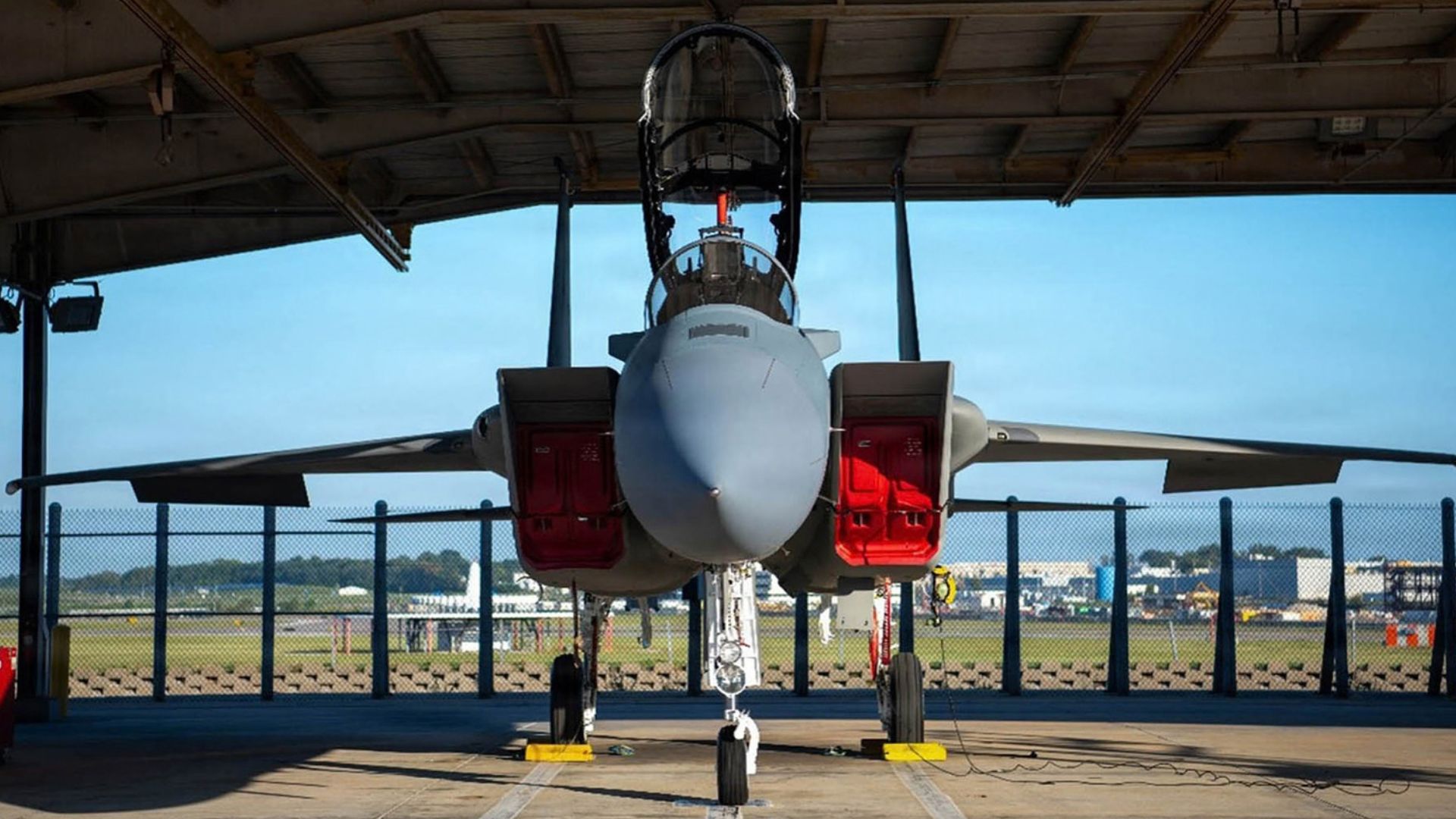
Boeing has secured a $2.38 billion US Air Force contract for 22 F-15EX Eagle II fighter aircraft.
The award covers the program’s seventh production lot and takes the total number of F-15EX aircraft under contract to 120. The deal comes as the Air Force works to replace older F-15 fighters and maintain production capacity.
The Lot 7 agreement uses funding from the fiscal 2026 budget and a congressional reconciliation package. The funds had to be committed before the end of the fiscal year on September 30. The arrangement allowed the service to continue F-15EX procurement while addressing higher production costs.
Boeing announced the contract value separately from the Air Force’s award announcement. The company is now contracted to produce F-15EX aircraft under Lots 1 through 7. The latest order adds 22 aircraft to the existing production commitment.
Contract Reflects Production Pressures
The latest agreement accounts for disruptions that affected F-15 production during 2025. It also reflects inflation across the US defense industrial base. These factors shaped the negotiations that led to the Lot 7 contract.
Brig. Gen. Timothy Helfrich, portfolio acquisition executive for the Fighters and Advanced Aircraft Directorate, said the negotiations focused on affordability and production continuity.
He also said the team remained focused on delivering aircraft needed for fighter fleet modernization. The Air Force described the approach as part of its wider acquisition transformation effort.
The service also used an integrated F-15 negotiation team during the process. The team helped bring together different parts of the acquisition effort. The Air Force said this approach was intended to support faster delivery while managing available resources.
READ ALSO: https://modernmechanics24.com/post/nel-asa-wins-collins-order-submarine/
New Funding Supports 22 Fighters
The funding structure was an important part of the latest award. Congressional reconciliation funding provided most of the resources used for the 22-aircraft order. Fiscal 2026 procurement funding supported the remaining aircraft.
The reconciliation package included additional money for F-15EX procurement. It required certain defense funds to be used before the fiscal year ended. Failure to obligate the money within the required period would have affected the amount available for procurement.
The $2.38 billion contract covers the production of the 22 aircraft. The award also gives Boeing continued visibility for F-15EX manufacturing. That continuity is important as the company manages production costs and works through recent supply and industrial-base pressures.
F-15EX Replaces Aging Fighters
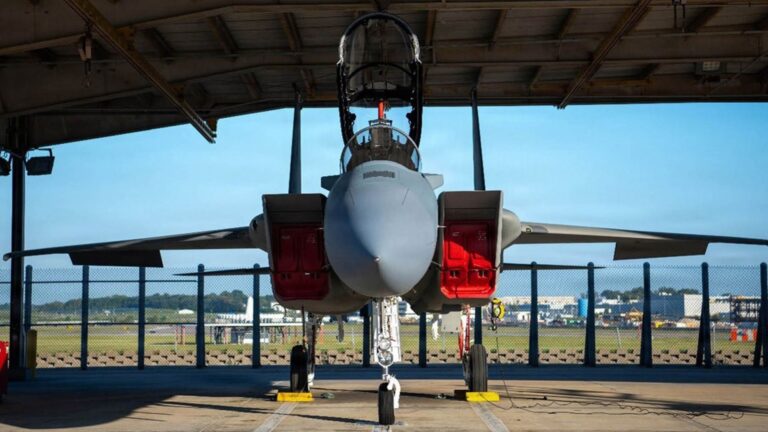
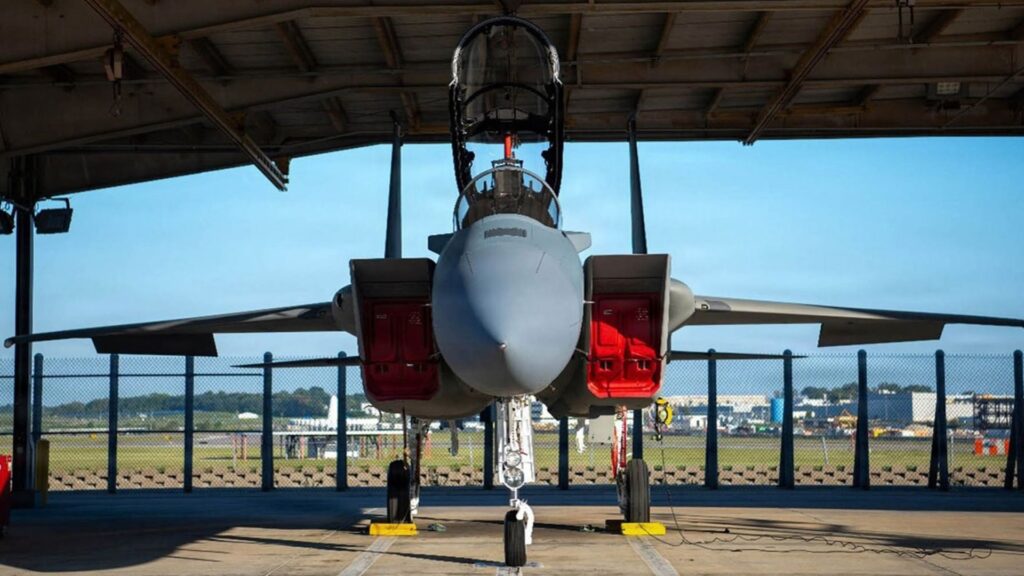
The F-15EX Eagle II is based on the long-running F-15 fighter design. Boeing has modified the platform with newer systems for modern combat operations. The aircraft features updated avionics, large cockpit displays and a digital backbone.
The digital architecture allows the aircraft’s systems to share information more efficiently. The fighter also includes improved survivability features. Its design supports multiple missions and gives the Air Force another heavy fighter option alongside its newer aircraft.
The F-15EX is intended to replace aging F-15C and F-15D fighters. Those aircraft have served the US Air Force for decades. The new Eagle II is designed to provide greater weapons capacity and modern electronic systems while using an established aircraft design.
Production Supports Fleet Modernization
The latest contract keeps the F-15EX production line active. It also adds another 22 aircraft to the Air Force’s modernization program. Boeing is expected to continue producing the aircraft under the existing production framework.
The program also has an international dimension. F-15EX aircraft are being prepared for deployment to US bases in the Indo-Pacific, including Kadena Air Base in Japan. The move will place the newer fighter within a region where the US maintains a large forward military presence.
The Lot 7 award gives Boeing a total contracted production quantity of 120 F-15EX aircraft. It also provides the Air Force with additional aircraft as it phases out older Eagle variants. Further production will depend on future funding, procurement decisions and the Air Force’s evolving fighter fleet requirements.





One Response