

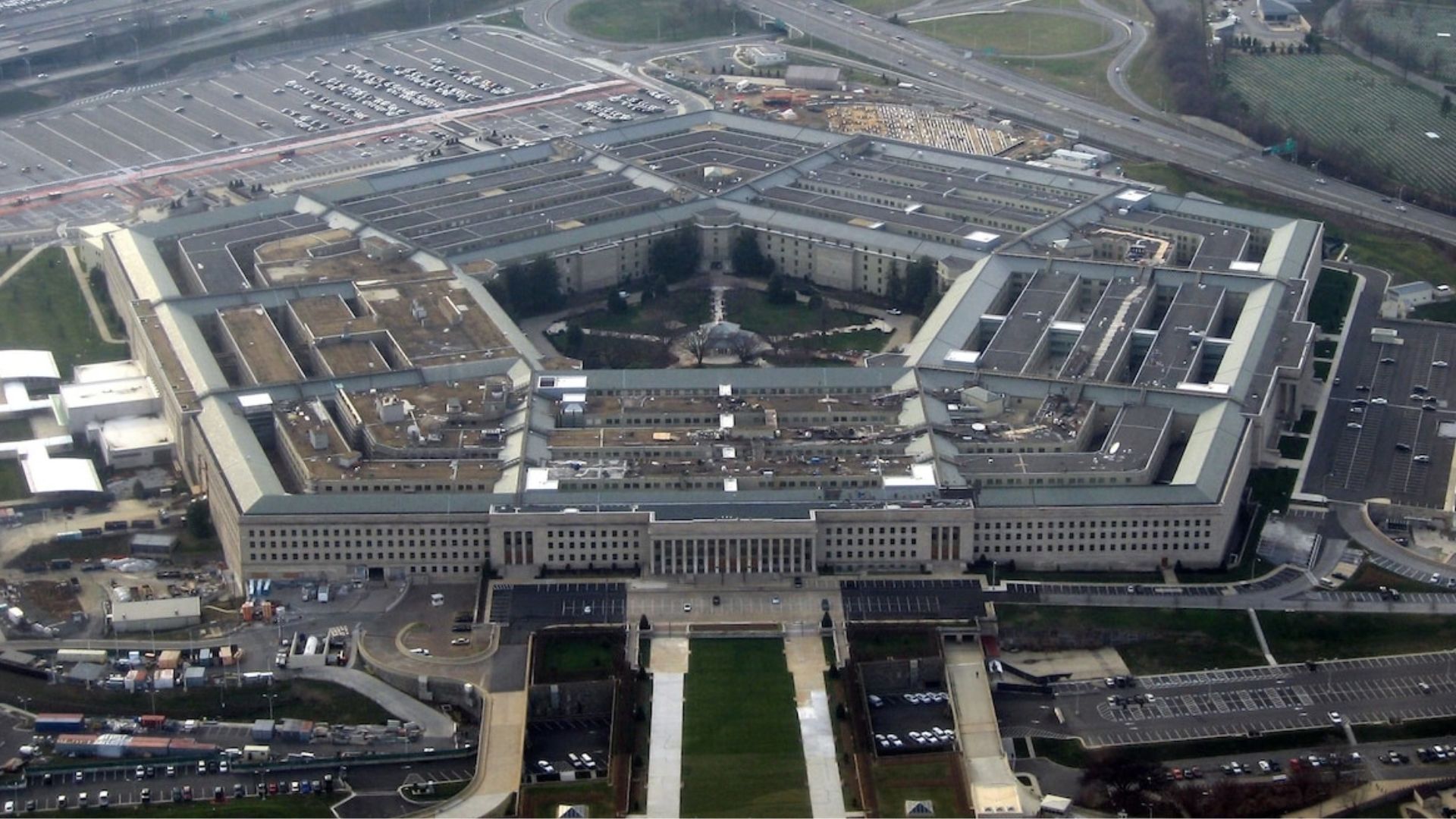
Anthropic has suffered a legal setback after a federal appeals court upheld the Pentagon’s decision to classify the company as a supply chain risk.
The ruling allows the US Department of Defense to continue restricting the use of Anthropic’s Claude artificial intelligence models across covered military systems and defense contracts.
The decision keeps a major dispute between the AI company and the Pentagon alive and leaves Anthropic considering its next legal steps.
A three-judge panel of the US Court of Appeals for the District of Columbia Circuit issued its decision on Friday. The court ruled 2-1 against Anthropic, rejecting the company’s challenge to the Pentagon’s action.
Judge Gregory Katsas wrote the majority opinion, with Judge Neomi Rao joining him. President Donald Trump appointed both judges, while Judge Karen LeCraft Henderson, appointed by former President George H.W. Bush, issued a dissenting opinion.
The majority found that the Defense Department had enough legal and factual support for its decision. The judges said the government had a valid basis to determine that continued use of Claude within Defense Department information systems presented a national security risk.
Anthropic had argued that the Pentagon exceeded its authority. The company also challenged the decision as arbitrary and unconstitutional.
The court rejected those arguments in the latest ruling. Its decision means the Pentagon’s designation remains in force unless Anthropic succeeds in obtaining further judicial review.
READ ALSO: https://modernmechanics24.com/post/first-embodied-ai-theme-park-robots/
How The Conflict Began
The dispute developed during negotiations between Anthropic and the Defense Department over the military use of Claude. Anthropic restricted certain applications of its AI systems, including lethal autonomous weapons and mass surveillance.
The Pentagon wanted broader access for lawful military activities. Negotiations eventually broke down, creating a dispute over how much control the government should have when using a commercial AI system for national security work.
In March 2026, Defense Secretary Pete Hegseth determined that Anthropic’s technology presented a supply chain risk. The Pentagon then formally designated the company under federal procurement authority.
The designation has practical consequences for both the military and its contractors. It prevents the Defense Department from using Anthropic’s models and restricts defense contractors working for the agency from using the technology in covered work.
Anthropic challenged the action in federal court. The company argued that the government improperly used its procurement powers and that the decision stemmed from disagreements over its AI safety policies.
The Pentagon took a different position. Government lawyers argued that restrictions built into Claude could affect the military’s ability to use the technology for national security operations.
Pentagon And Anthropic
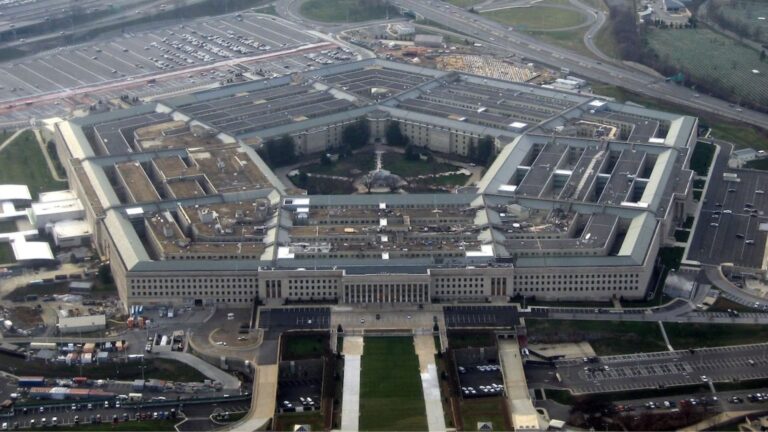
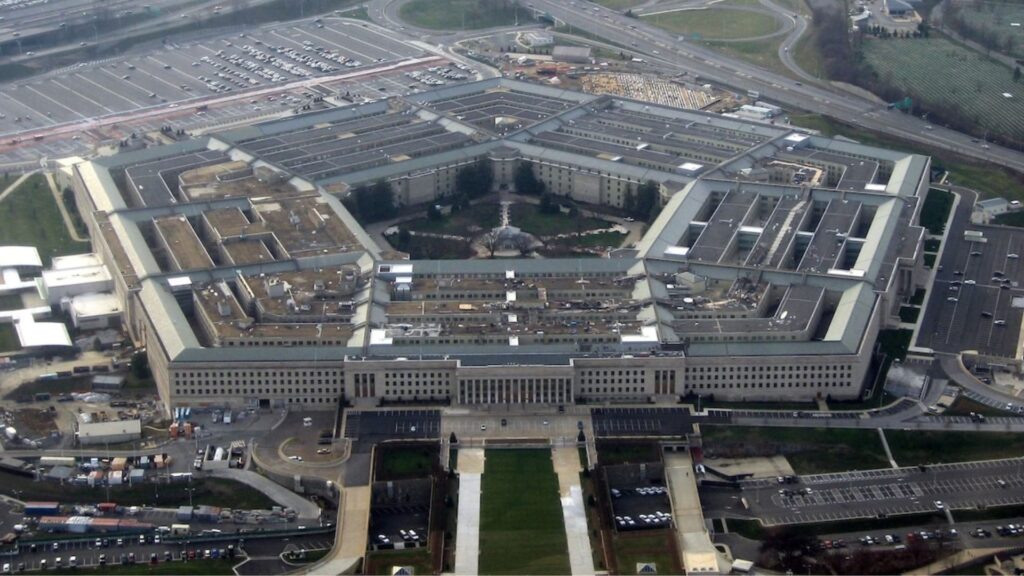
The two organizations come from very different backgrounds. The Pentagon has been central to the US defense establishment since the 1940s and became the headquarters of the Department of Defense after the post-World War II reorganization of the US military.
Anthropic was founded decades later as an artificial intelligence research and development company. The company focuses heavily on AI safety and develops Claude, a family of large language models designed for tasks such as writing, analysis, coding, and research.
Claude has become part of the wider competition among advanced AI systems. Like other leading AI models, it can process large amounts of information and perform complex tasks, making these systems increasingly relevant to government agencies and defense organizations.
That growing government interest has also created difficult questions about control. Defense agencies want AI systems that can perform sensitive tasks when authorized, while AI companies may limit certain applications based on their policies and safety requirements.
The Anthropic dispute has brought that disagreement into the courts.
READ ALSO: https://modernmechanics24.com/post/mq20-avenger-us-navy-autonomous-mission/
Different Courts, Different Cases
The legal picture is more complicated than a single court ruling against Anthropic. Another federal case involving the company produced a different result earlier this year.
A federal judge in California previously ruled for Anthropic in a separate dispute involving a Pentagon supply chain designation. That case involved a different federal procurement law and a different legal standard.
The distinction matters because the two cases did not ask the courts to decide precisely the same legal question. The D.C. Circuit case focused on the Federal Acquisition Supply Chain Security Act of 2018.
That law gives the government authority to restrict technology from federal supply chains when officials determine that its use presents certain security risks. The appeals court concluded that the Pentagon had acted within the authority provided by that law.
The majority also rejected Anthropic’s constitutional arguments. The judges found that the company had received notice of the government’s action and had an opportunity to challenge it through the legal process.
Judge Henderson disagreed with the majority. Her dissent questioned whether the Pentagon had properly applied the statutory definition of a supply chain risk to Anthropic.
The split decision leaves the legal dispute open to further review. Anthropic has said that it remains confident in its position and is examining its available options.
What The Ruling Means
For now, the Pentagon can maintain its restrictions on Anthropic’s technology. Defense contractors working under the department must also consider the designation when selecting AI systems for covered projects.
The ruling may also influence how other AI companies approach government contracts. Companies developing advanced models may face closer scrutiny when they propose their products for military, intelligence, or other sensitive government applications.
At the same time, the case raises questions about how government procurement rules and private companies limit how their technology can be used. Those questions are becoming more relevant as advanced AI systems move into areas that were previously handled almost entirely by human operators or specialized software.
Anthropic’s dispute with the Pentagon will likely continue beyond this ruling. The company has indicated that it is considering further review, while the Defense Department can continue enforcing its current restrictions.







One Response