

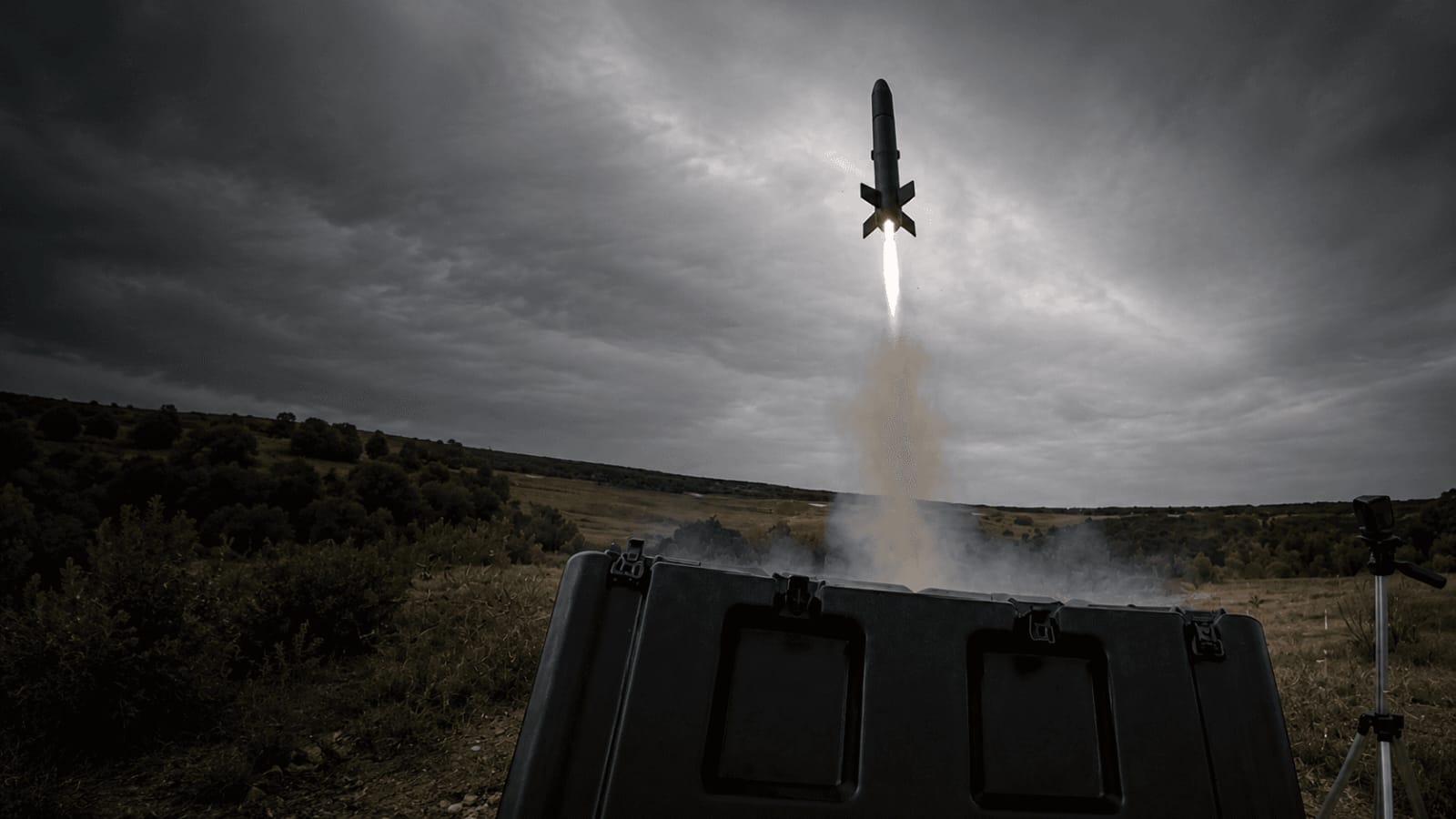
The US Army has tested a low-cost interceptor designed to destroy small drones at Yuma Proving Ground in Arizona.
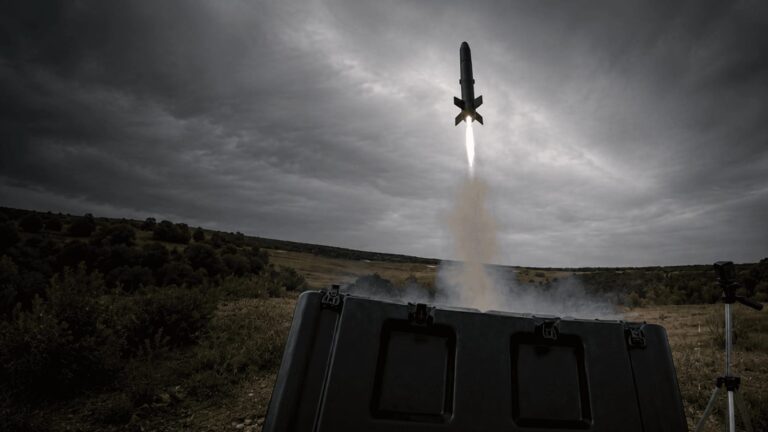
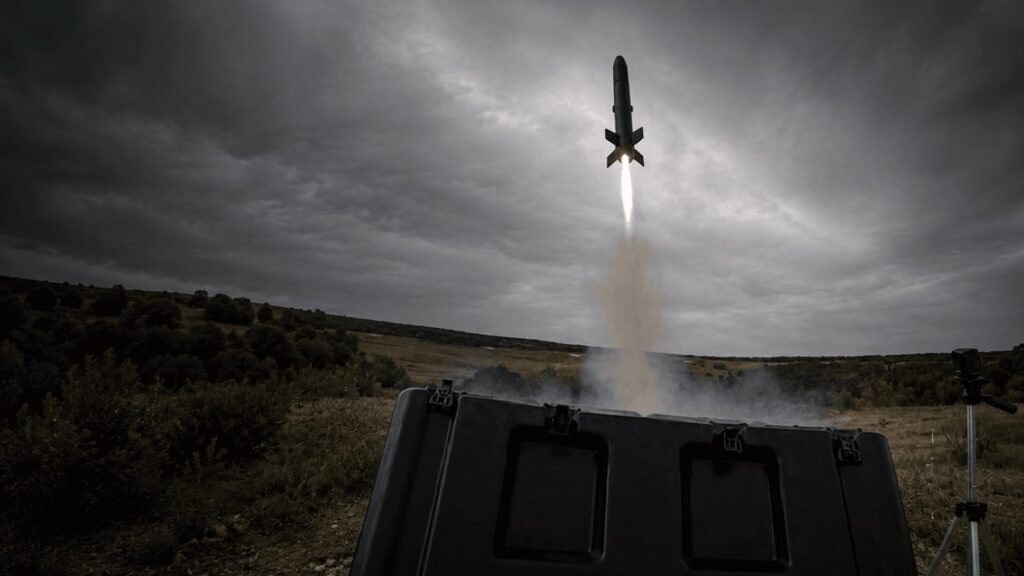
Perseus Defense fired its Mk-III interceptor during Falcon Peak 26.2, a counter-drone experiment involving US Northern Command, NORAD and the Pentagon’s Joint Interagency Task Force 401.
The test focused on a basic challenge facing militaries worldwide: defeating inexpensive drones without using far more expensive weapons.
Perseus Defense said the Mk-III costs about $2,500 to build per interceptor. The company loaded the missile into an eight-shot launcher during the Yuma event and demonstrated the system before military and government visitors. The test also showed what Perseus described as Lattice-level integration, linking the launcher with Anduril Industries’ command-and-control software.
The demonstration followed an earlier test at Fort Carson during Operation Jailbreak. Perseus is a counter-drone company founded in 2025 by Jason Cornelius and Steve Messinger. The two founders studied aerospace engineering together at Penn State, and the startup has raised $6.5 million in seed funding.
READ ALSO: https://modernmechanics24.com/post/gtri-classified-us-space-force/
The Mk-III uses a kinetic method to defeat drones. Instead of disrupting a drone’s radio connection, the interceptor physically strikes the target. This approach is designed for situations where electronic jamming has limited value.
Designed For Harder Targets
Many small drones depend on radio links for navigation and control. Jamming those signals can be effective in some cases, but drones using fiber-optic control links or preprogrammed routes do not depend on conventional radio communications in the same way. Perseus says its interceptor is intended to address these types of threats through direct physical impact.
The system is also designed around a different cost model. Military forces often face a difficult exchange when a relatively cheap drone is engaged with a much more expensive interceptor. Perseus has said it is targeting an engagement cost well below $100,000, while the drones involved can cost only a few hundred dollars.
The Harpe variant described in reporting on the Yuma event is a 61-centimeter interceptor. It has a stated engagement range of about 2 kilometers and is fired from a launcher weighing less than 36 kilograms, or about 79 pounds. Its eight-round capacity gives operators several interceptors in a relatively compact launcher.
Yuma Test Targets Base Defense
The missile was fired at Cibola Range Site 17 at Yuma Proving Ground during Falcon Peak 26.2.
The exercise is being conducted by the North American Aerospace Defense Command and US Northern Command as part of wider efforts to improve defenses against small unmanned aircraft systems. This year’s campaign was held at Yuma for the first time, after earlier editions took place at Eglin Air Force Base in Florida.
Falcon Peak 26.2 is intended to test new counter-drone technologies under military conditions. The exercise also examines low-collateral options, meaning systems designed to defeat drones while limiting the risks associated with larger weapons. Developers receive operational feedback during the trials, helping military users assess how quickly emerging systems can move toward wider deployment.
The exercise is also examining practical factors such as mobility, cost per shot and magazine capacity. Those factors matter for military installations that may face repeated drone incursions. A system that carries several inexpensive interceptors can give defenders more opportunities to engage multiple targets without quickly exhausting a limited supply of expensive missiles.
WATCH ALSO: https://modernmechanics24.com/post/china-trains-hq17-type-625-air-defense/
From Drone Incidents To Action
The current push for affordable counter-drone systems has roots in a series of incidents over US military installations. In December 2023, dozens of unidentified drones were reported over Joint Base Langley-Eustis in Virginia. The incident led to the temporary relocation of F-22 fighter aircraft and exposed difficulties in detecting and responding to unauthorized drones over domestic military facilities.
Additional drone sightings were reported at other US bases during 2024 and 2025. These incidents increased attention on technologies that can detect, track and defeat small unmanned aircraft without creating unnecessary risks around populated areas. The US Department of War established JIATF-401 in 2025 to accelerate counter-drone capabilities for US forces and installations at home.
The Perseus test therefore sits within a wider effort to build layered defenses against small unmanned aircraft. The focus is moving beyond simply detecting drones toward finding weapons that can be deployed quickly, carried by mobile units and used repeatedly at a manageable cost.
For the US and other countries facing growing drone activity, the balance between interceptor price, range, mobility and magazine capacity remains a central part of counter-drone planning.
The Yuma test gives US military planners another system to assess alongside other short-range counter-drone technologies. Further testing will determine how the Perseus interceptor performs in different operational conditions and how its cost and launcher design compare with other options.






One Response