

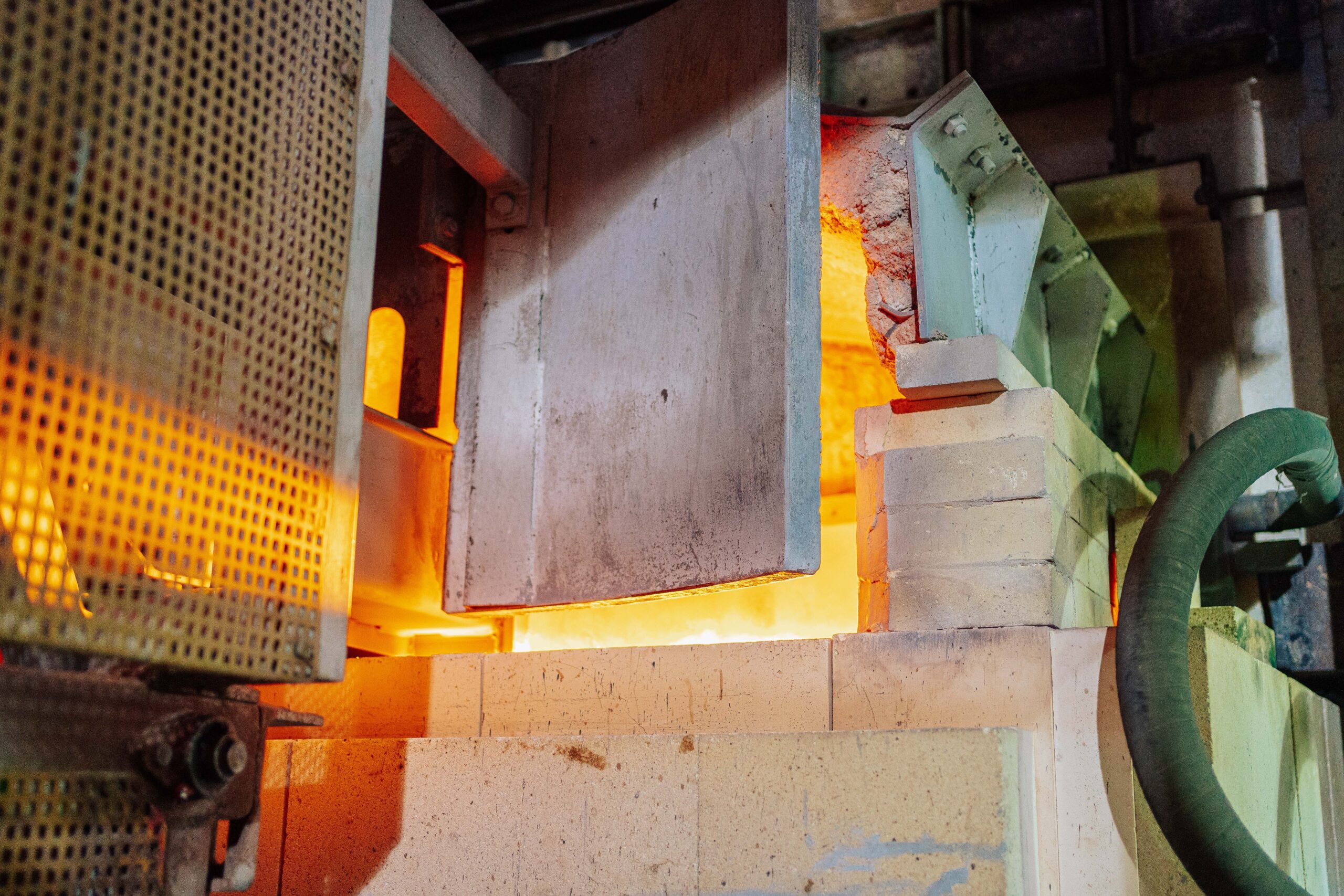
IperionX has successfully validated its GenX continuous titanium production system after four production campaigns at its Virginia R&D facility. The system processed more than 500 kg of titanium powder and showed lower power, magnesium and hydrogen use than the company’s batch HAMR process.
The GenX platform was developed by IperionX Limited, an American titanium and critical materials company. The company says the new system could help move titanium production away from traditional batch processing and toward a continuous method that can handle higher production volumes.
IperionX tested the commercial-scale GenX furnace through four separate production runs. Together, the runs lasted 41 hours and processed more than 500 kg of titanium powder at an average rate of about 12 kg per hour.
READ ALSO: https://modernmechanics24.com/post/us-air-force-c17-production-restart/
The company reported that GenX achieved six times the throughput volume of its batch HAMR system when compared over similar operating time. Power consumption was also more than 75% lower per kilogram than the batch process.
The technology was developed by IperionX, using its patented HAMR process. HAMR is a hydrogen-enabled, low-temperature method designed to produce low-oxygen titanium powder.
IperionX CEO Taso Arima said the results provide a strong base for developing an industrial-scale continuous titanium production system. According to GlobeNewswire, the company will now continue testing the furnace and study the engineering and economics of a larger production line.
Titanium production can involve several repeated steps when using batch processing. Furnaces need to be heated and cooled between cycles, while materials must also be loaded and unloaded.
GenX is designed to reduce these repeated steps by keeping titanium processing continuous. This could improve equipment use, reduce processing time and lower the amount of energy and materials required for production.
GenX applies the HAMR process inside a continuous furnace. Instead of completing separate batches, material can move through the production process without the same repeated heating and cooling cycles.
Testing showed more than 45% lower magnesium consumption and over 60% lower hydrogen consumption per kilogram compared with batch HAMR operations. Magnesium is one of HAMR’s major reagent costs, so lower use could also reduce the amount of by-product that needs further processing.
WATCH ALSO: https://modernmechanics24.com/post/skybreaker-fighter-pilots-training/
The testing also looked at oxygen levels in the titanium powder. All valid spherical titanium powder samples met the ASTM Grade 23 oxygen specification. Seven of eight valid angular powder samples met the Grade 5 oxygen limit.
The results could be useful for industries that rely on titanium, including aerospace, defense, automotive, electronics and additive manufacturing. Continuous production could also make it easier to expand capacity by using larger or replicated production lines.
GenX is still a development platform and has not yet become a full industrial-scale production system. One angular powder sample from an interrupted furnace run was excluded from the validation assessment because it did not complete the HAMR cycle.
IperionX expects further process improvements could help angular powder meet the stricter Grade 23 oxygen limit. The company also says GenX is not needed for its current 200-ton-per-year production ramp in Virginia.
During Q4 2026, IperionX plans to continue optimizing GenX, integrate the furnace into a complete titanium powder production line and evaluate its first industrial-scale GenX production line.
The company’s results suggest that continuous processing could reduce energy and material use while increasing production capacity. Further testing will show whether these gains can be maintained as the technology moves toward larger-scale titanium manufacturing.








One Response