

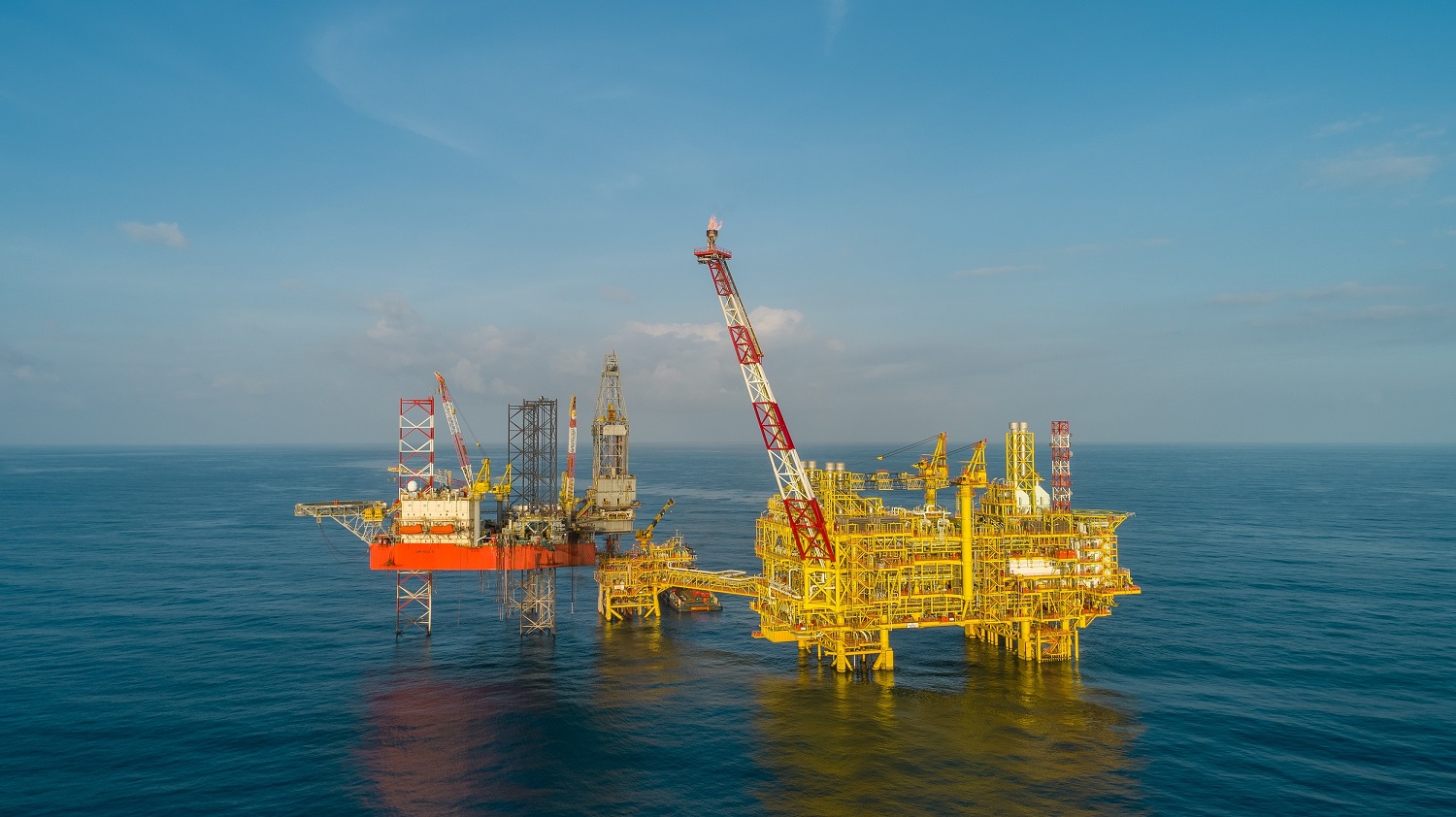
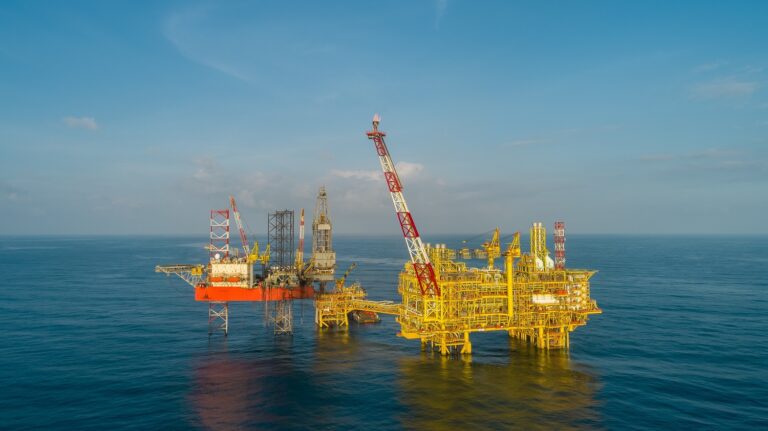
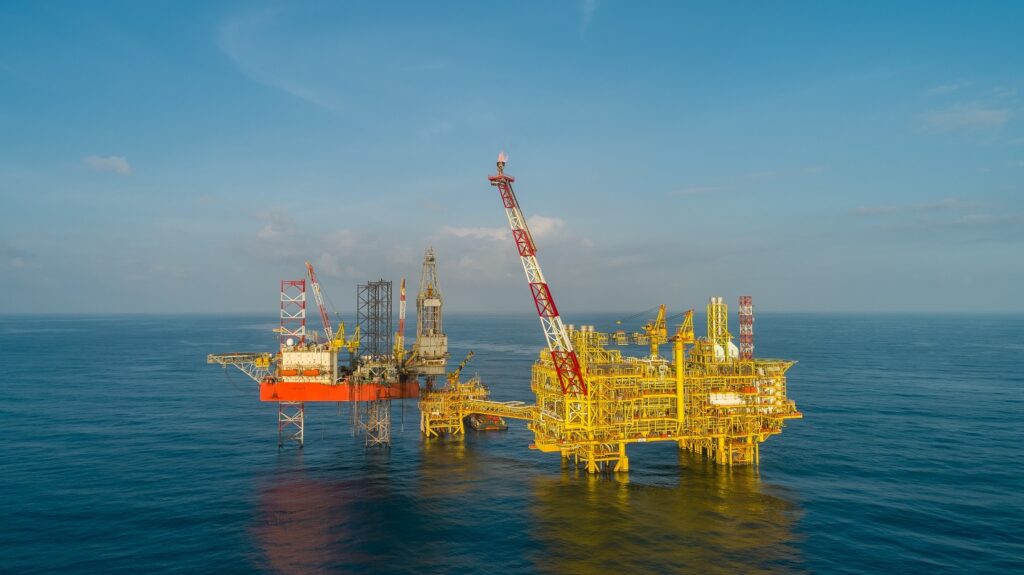
Construction has begun in eastern China on the Qatar Bul Hanine oilfield redevelopment project, described as China’s largest international offshore oil and gas engineering project by scale.
The project has a contract value of about $4 billion. It covers new offshore facilities, subsea infrastructure, platform upgrades and decommissioning work.
The construction phase began in Shandong Province on Tuesday, according to reports. China’s Offshore Oil Engineering Co. is carrying out the project. The company is using its domestic engineering and manufacturing network to support the large overseas development.
The project includes more than 60 new offshore oil and gas facilities. It will also involve about 40 subsea pipelines and cables, along with modifications to existing platforms. Older and abandoned platforms will be removed as part of the redevelopment.
READ ALSO: https://modernmechanics24.com/post/china-hualong-one-2-nuclear-upgrade/
The work covers the full engineering chain. This includes design, equipment procurement, fabrication, transportation, offshore installation and testing. More than 130,000 tons of processed steel are expected to be used across the project.
Xie Qinbao, general manager of the project, said its scale and range of technical work set a new record among similar projects undertaken by Chinese companies. The project requires teams in China to coordinate with offshore operations in Qatar. Planning and logistics will therefore be a major part of the construction programme.
Engineering Work Across China And Qatar
The Bul Hanine field is located in Qatar, while major fabrication and engineering work is being carried out in China. Components made in Shandong will be assembled and prepared for shipment before being transported to the offshore site. The approach allows the project to draw on China’s established offshore engineering supply chain.
Liu Peng, the project’s construction manager, said digital tools are being used throughout the engineering process. These include three-dimensional modelling and engineering simulations. The systems allow teams to examine structures and construction sequences before physical work begins.
Digital modelling can help identify clashes between pipes, equipment and structural components during the design stage. Simulation can also be used to test different construction methods and sequences. This can reduce errors before equipment reaches the offshore site, where changes are more difficult and costly.
The project combines several types of offshore work under one contract. New facilities must be designed and built, while existing platforms will be modified for continued use. The removal of older structures will require separate engineering and offshore operations.
WATCH ALSO: https://modernmechanics24.com/post/china-trains-hq17-type-625-air-defense/
China Expands Overseas Offshore Engineering
Offshore Oil Engineering Co. has expanded its international project portfolio in recent years. Its overseas work includes projects in the Middle East and Southeast Asia, as well as the Canada LNG project, the Penguin floating production, storage and offloading facility and Saudi Arabia’s Marjan project. The company has also secured several large international contracts.
The Qatar project adds another major offshore assignment to that portfolio. It requires expertise in heavy fabrication, subsea engineering, marine transportation and offshore installation. It also involves coordinating work across multiple locations and engineering disciplines.
The project has been linked to wider energy cooperation between China and Qatar. Its developers have described it as an important project under the Belt and Road Initiative. The development adds a major offshore engineering component to China-Qatar industrial and energy cooperation.
Digital Systems Support Construction
The size of the project requires close coordination between design, fabrication and offshore teams. More than 60 facilities and about 40 subsea pipelines and cables will be combined with platform upgrades and decommissioning work. Digital models provide teams with a common view of how the different components will fit together.
The construction programme will now move through fabrication, assembly, transportation and offshore installation. Engineering simulations will continue to support planning as components are prepared for deployment. The project’s delivery will depend on coordinating thousands of components and multiple stages of offshore work.
READ ALSO: https://modernmechanics24.com/post/blackbeard-hypersonic-missile-us-navy/
For China’s offshore engineering industry, the Qatar development is another major international project covering the full engineering cycle. It combines design, manufacturing, marine transportation and offshore installation within one contract. Construction is now under way in Shandong as the project moves toward its next stages.





One Response