

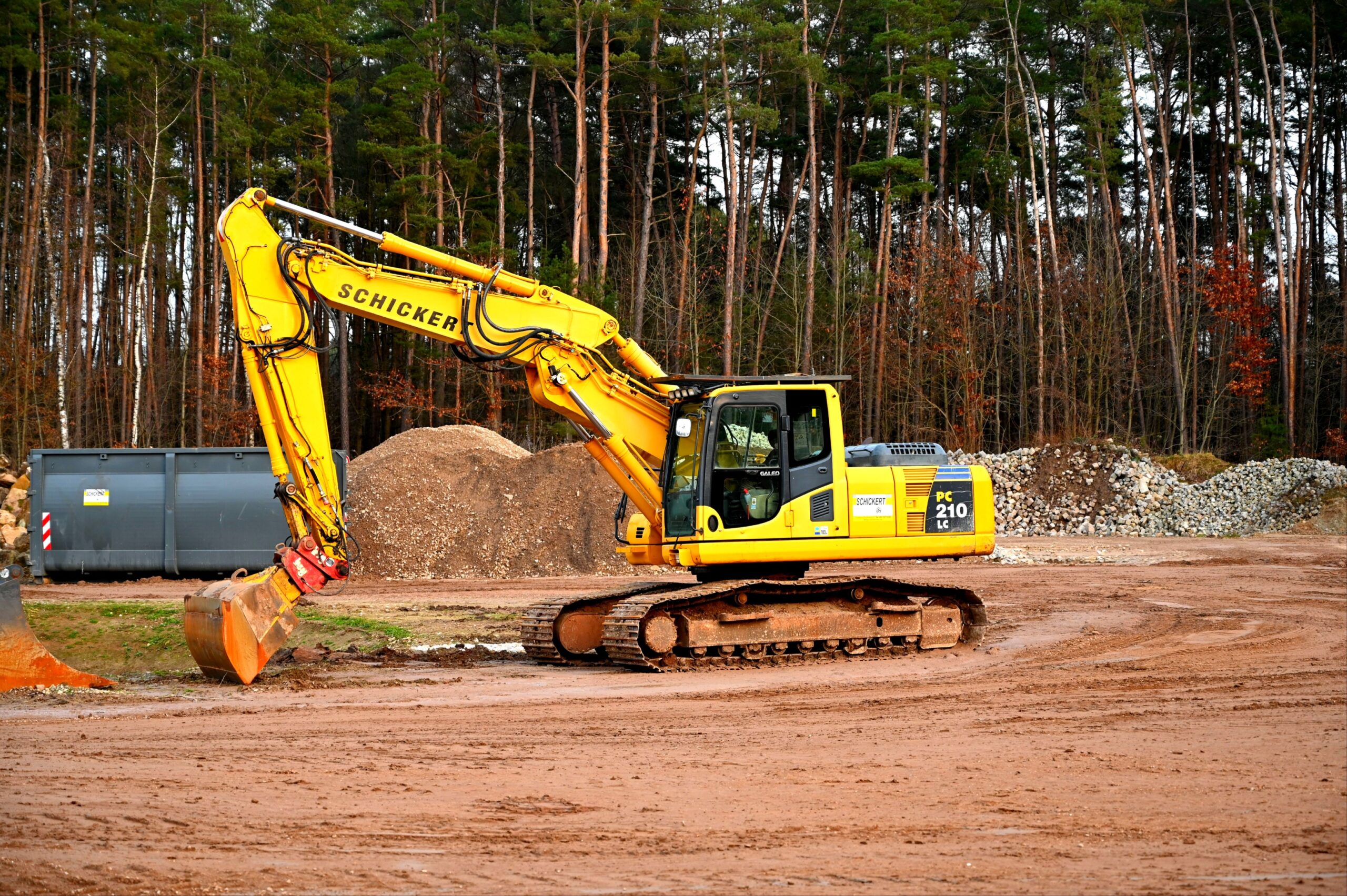
MIT engineers have developed a new controller that could make excavators easier to operate and faster to learn. Instead of traditional joysticks, the system uses a small mechanical arm and bucket that lets trainees copy the movements of a real excavator.
The system, called the World-Space Interface (WSI), was developed with Sumitomo Heavy Industries. In tests, people with no excavator experience performed as well as experienced operators when using the new controller from the start.
Excavators are usually controlled with joysticks that operate the machine’s boom, arm, bucket and cab. Learning how each joystick movement affects the excavator can take months or even years of practice.
MIT’s new controller takes a different approach. Users move a miniature excavator arm with their own hand and arm, while a virtual excavator copies those movements on a large digital display.
READ ALSO: https://modernmechanics24.com/post/mit-secure-wireless-signal-device/
The system was developed by MIT engineers working with Sumitomo Heavy Industries, a Japanese industrial machinery company. The MIT team included Hermano Krebs, Moises Alencastre-Miranda, Joao Buzzatto and Eran Beeri Bamani.
The research was published in the Journal of Computing and Civil Engineering. The collaboration with Sumitomo began in 2018, when the company was looking for faster ways to train excavator operators.
Traditional excavator controls require operators to build a mental connection between joystick movements and the machine’s physical movements. This mental mapping can be difficult for beginners.
The challenge is even greater when operators need to perform tasks such as digging trenches, moving material, clearing debris or grading soil. The MIT team wanted to reduce this learning burden by making the controller behave more like the machine itself.
The WSI looks like a small version of an excavator arm and bucket. Instead of moving several joysticks, the user physically moves the device in the direction they want the virtual excavator to move.
The system displays a digital excavator on an immersive six-screen setup. Software translates the user’s physical movements into actions in the virtual environment.
The researchers created 15 virtual excavation environments, including construction sites, roads, forests, riverbanks and mining areas. Volunteers completed tasks such as moving gravel, digging trenches, clearing debris and breaking rocks.
WATCH ALSO: https://modernmechanics24.com/post/drdo-akhash-ng-missile-trials-success/
Participants trained for one hour a day over seven days. Beginners using the traditional joystick simulator performed worse than experts, although they improved with practice. With the World-Space Interface, beginners performed at a similar level to experts from the beginning.
The WSI is still a research and training system rather than a widely deployed excavator control system. The researchers are also working to add haptic feedback, which would let the controller push back against the operator’s hand.
This could help users feel a response when performing actions such as lifting heavy material. More testing will be needed to determine how well the system works on real construction equipment and in different working conditions.
A more natural excavator controller could reduce the time needed to train new operators. This could be useful as the construction industry looks for ways to train workers more efficiently.
The researchers also see potential for remote operation. An operator could potentially use the arm-shaped controller from a safer location to control an excavator working in a dangerous or difficult environment.
The MIT team believes the approach could eventually allow new operators to become productive much sooner, without spending years learning complex joystick controls.















One Response