

Taiwan has conducted its first live-fire military exercise using first-person-view (FPV) drones against armoured vehicles, marking a new step in its effort to strengthen drone warfare capabilities.
The exercise brought together units from the army, Marine Corps and Military Police to test how small, remotely operated aircraft can be used alongside traditional weapons. The training reflects lessons from the war in Ukraine, where inexpensive drones have become widely used for surveillance, targeting and attacks.
Taiwan Tests Drone Warfare
The exercise was held under simulated battlefield conditions, with operators flying FPV drones equipped with armour-piercing warheads.
The targets included decommissioned tanks and armoured ammunition carriers, allowing military personnel to assess the effect of drone strikes against actual armour. The Army Unmanned Systems Training Command organised the event with six units drawn from artillery commands, the Marine Corps and Military Police.
READ ALSO: https://modernmechanics24.com/post/chinese-ai-robot-free-pig-vaccination/
FPV drones differ from many conventional unmanned aircraft because their operators control them while viewing a live video feed through goggles. Their relatively small size and manoeuvrability allow pilots to make precise movements and direct the aircraft toward specific targets. During the exercise, operators carried out frontal and flanking attacks, using both individual drones and coordinated two-drone formations.
The live-fire element also gave operators experience handling drones carrying real munitions. Military officials said using armoured targets provided a more realistic test than conventional training methods. The exercise therefore focused not only on the effectiveness of the weapons but also on the practical skills required to operate armed drones in battlefield conditions.
Lessons From Ukraine War
The increased use of FPV drones reflects one of the major changes seen in the Ukraine war. Both sides have deployed relatively low-cost drones for reconnaissance and precision attacks, giving small unmanned systems a role traditionally associated with larger and more expensive weapons.
Taiwan has been studying these developments as it prepares for a potential conflict with the People’s Liberation Army (PLA). Beijing regards Taiwan as part of China and has not ruled out the use of force to achieve reunification, while the US opposes any attempt to change the island’s status by force.
Taiwan’s military has been expanding its unmanned systems structure in response. The Army Unmanned Systems Training Command was established in April after a training centre created the previous year was upgraded, and the centre has trained more than 800 drone operators for frontline combat units since the end of last year.
Expansion Brings Equipment Gaps
The army has also created drone battalions covering northern, central and southern Taiwan. Drone companies are being established within combined-arms brigades and under defence commands responsible for offshore islands, while Army Chief of Staff Chen Chien-yi told lawmakers in May that the three corps-level drone battalions had completed their formation by April.
WATCH ALSO: https://modernmechanics24.com/post/xpeng-second-gen-iron-humanoid-robot/
However, the expansion has raised questions about whether equipment and training have kept pace. Defence Minister Wellington Koo Li-hsiung told lawmakers that the military needed more training drones and said systems such as the Altius-600 and Altius-700 had not yet arrived.
The Altius series is produced by a subsidiary of US defence technology company Anduril Industries. Legislator Chen Chun-yu of the ruling Democratic Progressive Party also questioned whether the rapid creation of drone units had been matched by sufficient doctrine, training and assessment standards.
The army said its Unmanned Systems Training Command had established a dedicated assessment centre to develop testing standards for drone units. Analysts, however, have pointed to other practical challenges, including limited training areas, a shortage of qualified instructors and the need for suitable airspace, radio frequencies and facilities for large-scale drone operations.
Drones Join Traditional Firepower
Max Lo, executive director of the Taiwan International Strategic Study Society, described the creation of dedicated drone battalions as an important response to changes in cross-strait warfare. He cautioned that creating new units alone would not automatically produce greater combat power, particularly while equipment deliveries remain delayed.
Lo also warned that frontline units could become overstretched during the transition. Taiwan must first overcome the period in which newly established formations may exist without enough equipment before they reach their planned operational capability.
READ ALSO: https://modernmechanics24.com/post/modular-concept-bridges-rail-and-road/
Research fellow Chieh Chung of the Association of Strategic Foresight said a larger unmanned systems force could significantly alter Taiwan’s defence options.
He argued that Taiwan should consider not only short-range battlefield drones but also longer-range unmanned systems capable of targeting PLA logistics and military infrastructure along China’s southeastern coast.
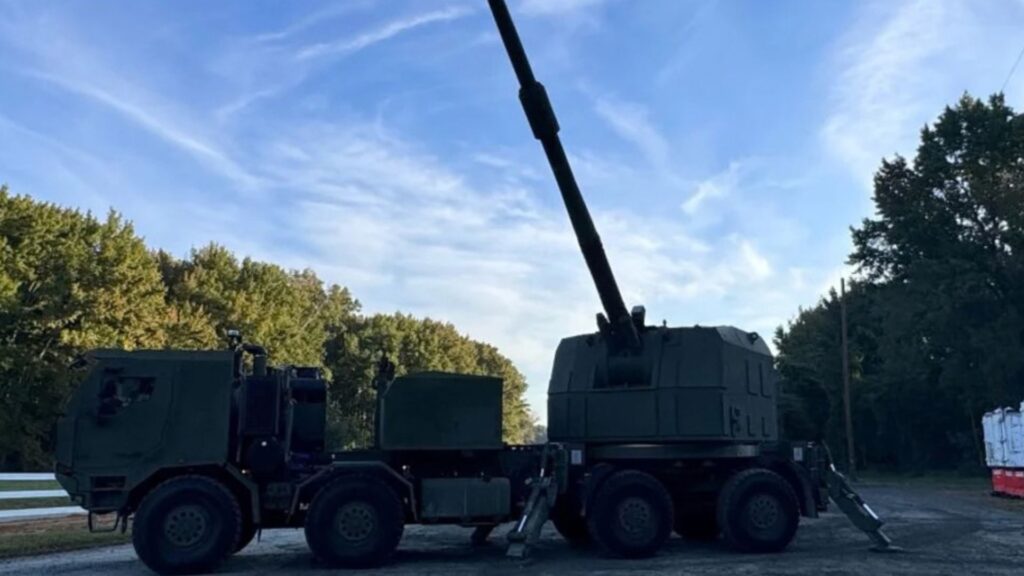
The latest exercise also points to a closer relationship between drones and conventional artillery. A military source compared drone units with artillery formations because both can provide attacks at varying distances, while the participation of artillery units suggested that FPV drones may increasingly be integrated with guns and rocket systems.
Taiwan’s growing focus on FPV drones shows how unmanned technology is becoming part of its broader asymmetric defence strategy. The effectiveness of that strategy will depend not only on the number of drone units created, but also on equipment availability, operator training, testing standards, and the ability to integrate drones with existing military forces.






One Response