

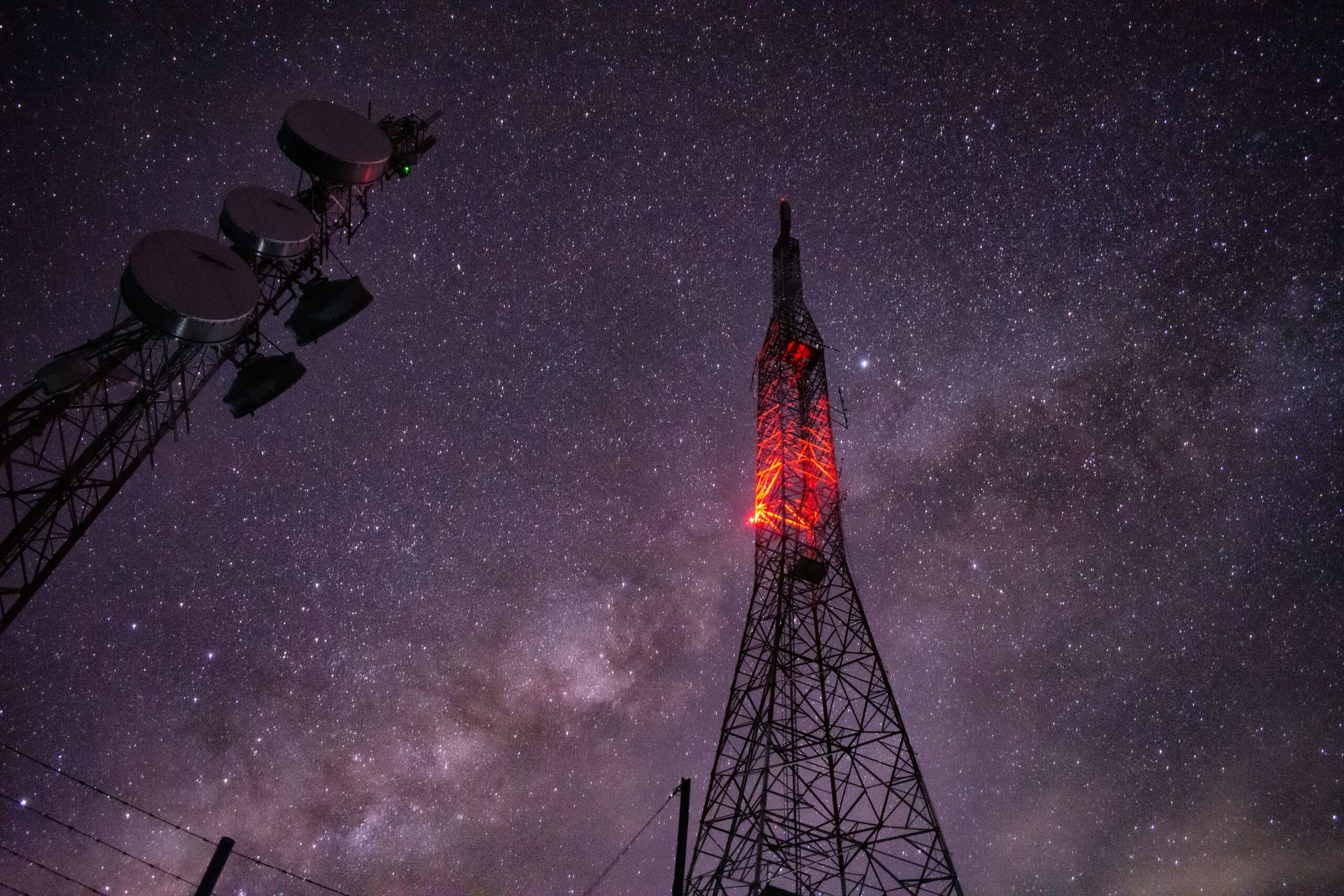
MIT Lincoln Laboratory is developing LightHOUSE, a satellite concept that could give spacecraft near the Moon GPS-like navigation and communication support. The system would use high-orbit satellites and laser links to help spacecraft find their position without relying as heavily on Earth-based tracking stations.
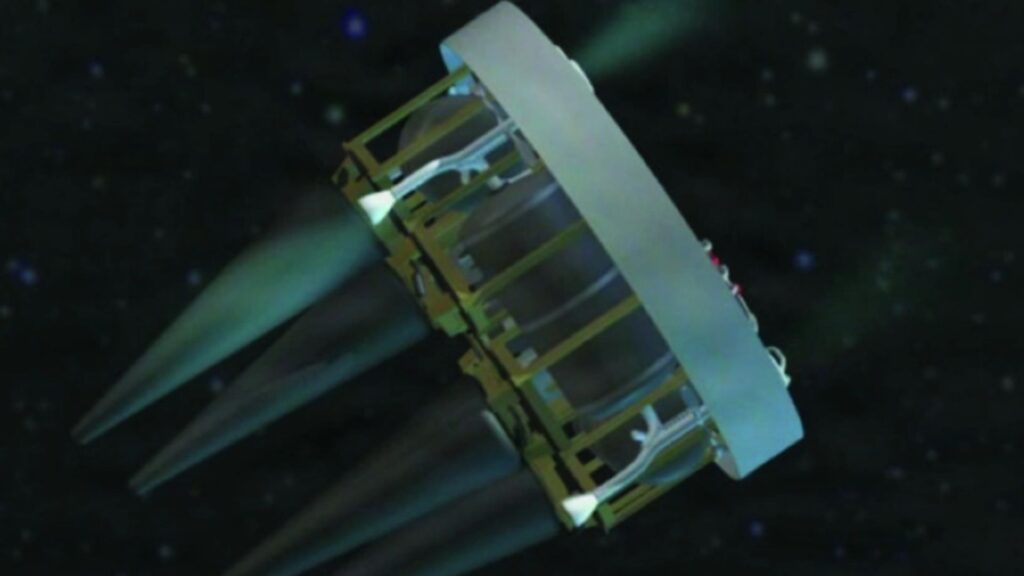
LightHOUSE stands for Light High-Orbit Utility Signal Emitter. It would use a small group of satellites as optical beacons, helping spacecraft determine their position and speed across the space between Earth and the Moon.
MIT Lincoln Laboratory is developing the concept through its Laser Communications Group and Advanced Capabilities and Technologies Group. Researchers including Aaron Greenberg, Timothy Yarnall and Seth Trotz are working on the idea.
Spacecraft beyond geostationary orbit do not have a GPS system like the one used on Earth. They often depend on NASA’s Deep Space Network, which uses large radio antennas on Earth and must serve many missions.
This can make precise navigation slow and difficult. LightHOUSE is intended to provide another source of navigation data closer to the spacecraft.
LightHOUSE satellites would operate in very high orbits, potentially up to 1 million miles above Earth. They would exchange timing signals with spacecraft and use cameras to compare spacecraft positions against the background of stars.
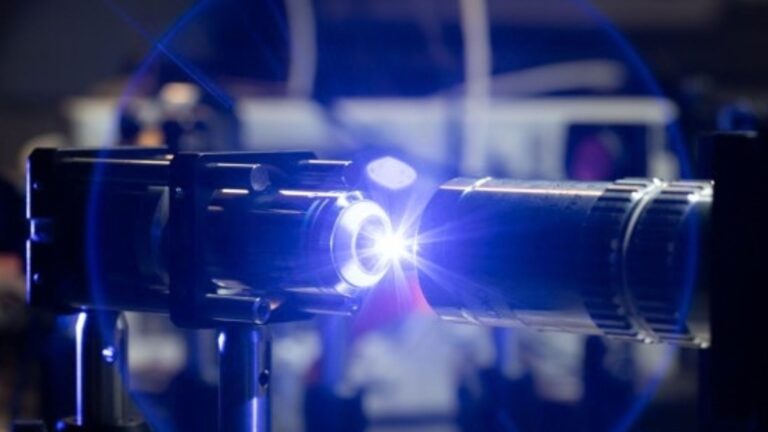
The system would use free-space optical communication, meaning lasers would send information through space. The beacon satellites would carry larger telescopes and stronger laser transmitters, while user spacecraft could use smaller equipment.
The system could help spacecraft navigate across cislunar space, the region between Earth and the Moon. It could reduce the need for frequent course corrections, save fuel and reduce the workload on spacecraft navigation systems.
High-orbit beacons could also maintain communication with spacecraft on the far side of the Moon. That could help avoid communication gaps like the period when Artemis II passed behind the Moon.
LightHOUSE is still a research concept. MIT Lincoln Laboratory is currently studying it through analysis, simulations and laboratory tests, so there is no full operational constellation yet.
The biggest challenge is measuring spacecraft positions accurately across enormous distances. Building optical links that work reliably across cislunar space will also require significant technical development and investment.
The main breakthrough is bringing a GPS-like navigation approach to space around the Moon. If developed successfully, LightHOUSE could give future lunar missions a more independent way to navigate and communicate.
The concept could become especially useful as Artemis and other lunar missions increase activity around the Moon. MIT Lincoln Laboratory says a full-scale system could require hundreds of millions of dollars, showing that turning the concept into an operational service would be a major investment.













One Response