Airbus has demonstrated an artificial intelligence-powered autonomy system that enables multiple uncrewed aerial vehicles (UAVs) to operate as a coordinated team under the supervision of a single operator.
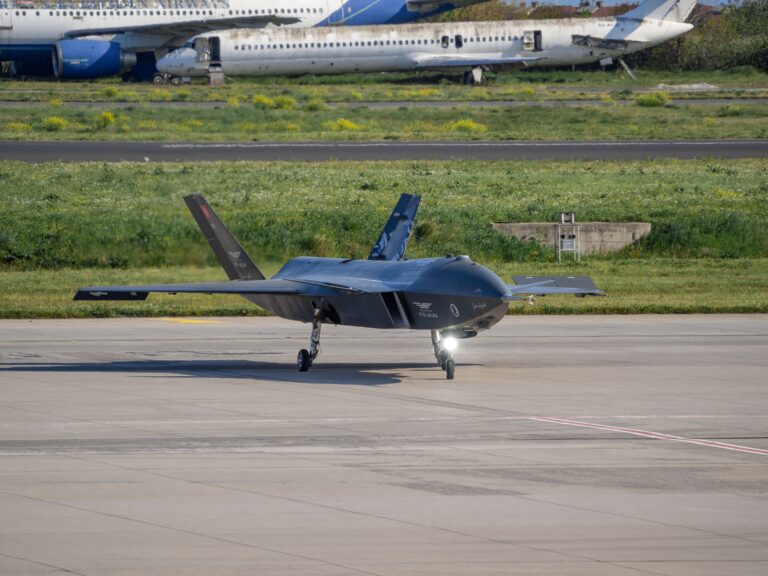
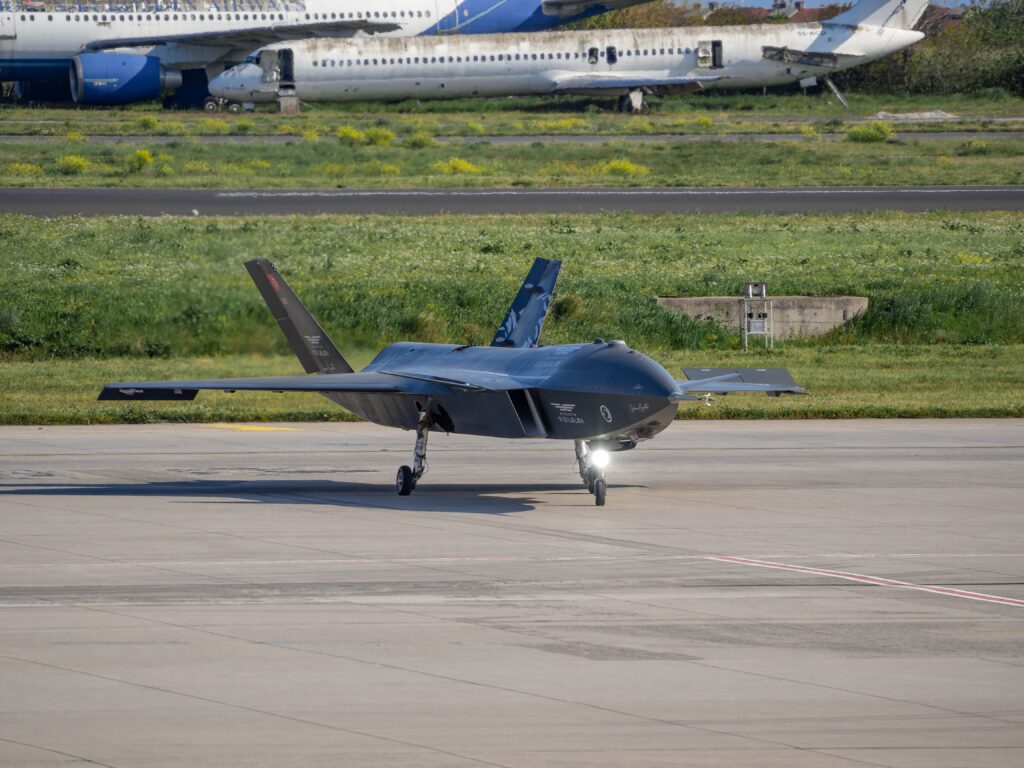
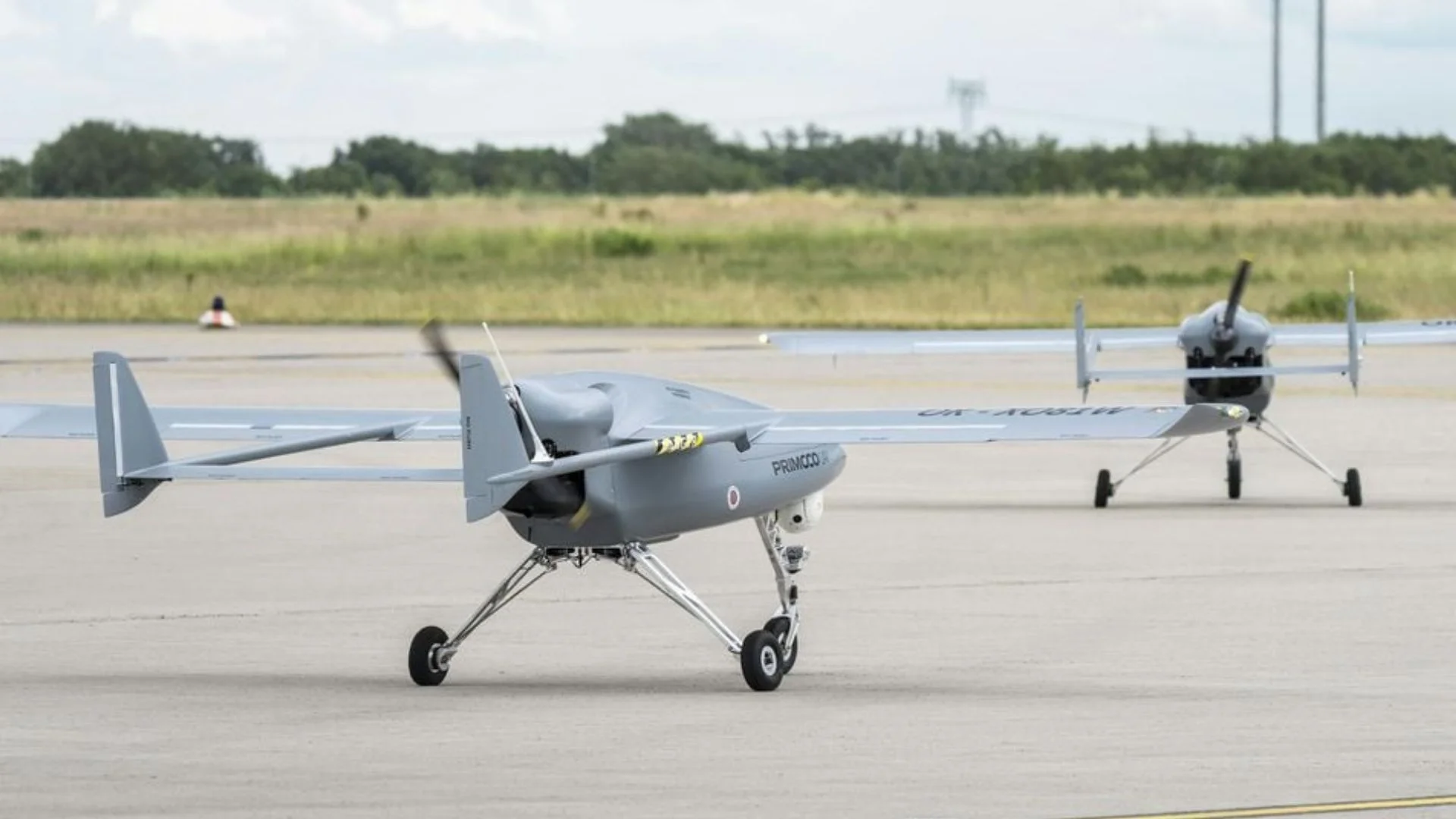
The technology was showcased during the 2026 ILA Berlin Air Show, where two Primoco One 150 UAVs completed live autonomous missions using Airbus’ MARS Autonomy software. The demonstration highlighted how AI can reduce operator workload while allowing drones to share information, coordinate tasks and complete missions more efficiently.
Live Flight Success
The demonstration marked the first live public display in Europe of collaborative autonomous flights involving multiple uncrewed aircraft at a major defense and aerospace exhibition.
Instead of focusing only on the aircraft, Airbus highlighted the intelligence system that enabled both UAVs to work together during flight. The company used the event to demonstrate how AI is changing the way autonomous missions are planned and executed.
The flights were powered by Airbus’ AI-enriched Multiplatform Autonomous Reconfigurable and Secure (MARS) Autonomy suite. During the demonstration, the two Primoco One 150 UAVs completed two different autonomous missions without requiring constant manual control from separate operators. One mission focused on collaborative multi-role surveillance, while the other demonstrated faster surveillance through coordinated teamwork.
According to Airbus, the exercise showed that multiple drones can now share a single distributed intelligence instead of functioning as separate systems with independent operators. This allows every aircraft in the group to share information gathered during a mission instantly. If one drone detects an object, the others immediately receive the same information without additional human input.
Airbus Powers Collaborative Skies
Traditional UAV operations normally require one operator for each aircraft to manage navigation, monitor sensors, and control onboard equipment throughout the mission. Although many drones already use AI to identify objects, human operators still perform most tactical decisions during flight. This creates a heavy workload, especially during long surveillance or reconnaissance operations.
Airbus aims to change this model by allowing several drones to work as a connected network rather than as individual platforms. Instead of assigning multiple pilots to multiple aircraft, one mission manager oversees the entire operation while the software handles routine coordination. The company compares this concept to a sports team where every player understands the overall objective and works together without receiving constant instructions.
READ ALSO: Is China Building A New Stealth Attack Submarine, As Satellite Clues Emerge?
Thomas Schmitt, Program and Product Manager for Crewed-Uncrewed Teaming and Autonomy at Airbus Defense and Space, said the company is moving from machines that people control to systems capable of thinking and cooperating.
He explained that the drones share one common intelligence instead of operating with separate decision-making systems. As a result, the aircraft remain synchronized throughout the mission while automatically distributing tasks among themselves.
The software also supports both crewed and uncrewed aircraft working together as well as cooperation between multiple unmanned platforms. Airbus says the system can support intelligence, surveillance and reconnaissance missions, suppression of hostile air defenses and autonomous cargo logistics. Operators define the mission objective, while the software assigns tasks to each aircraft based on the mission requirements.
Human Control Maintained
Although the software performs many operational tasks independently, Airbus says human operators always remain responsible for critical decisions. The system manages navigation and tactical coordination, but operators continue supervising every stage of the mission. They can intervene whenever necessary and retain final authority over sensitive actions.
Airbus describes this approach as maintaining meaningful human control throughout autonomous operations. The AI analyses information, generates recommendations and coordinates aircraft movement, but it does not replace human judgment during critical situations. This balance aims to improve operational efficiency while ensuring accountability remains with trained personnel.
The new operating model also changes the role of drone operators. Instead of concentrating on flying individual aircraft throughout long missions, they become mission managers who supervise broader objectives. This reduces fatigue and allows personnel to focus on higher-level decision-making rather than repetitive flight control tasks.
READ ALSO: Collins Aerospace Advances Hybrid-Electric Aviation With SWITCH Testing at The Grid
Future Defense Plans
The MARS Autonomy suite forms part of Airbus’ wider MARS Mission System, an open software architecture designed for continuous updates. Similar to smartphone applications receiving new features over time, the mission system allows new capabilities from different suppliers to be added through software updates. Airbus describes this process as software-defined evolution, enabling aircraft to adapt to changing operational requirements without major hardware modifications.
The software has also been designed as a system-agnostic platform, allowing integration with both Airbus products and third-party aircraft. Airbus plans to begin operational deployment of the system on Primoco One 150 UAVs during 2026. The scalable design also allows additional drones and mission roles to be added as operational needs expand.
The mission system forms a central element of Airbus’ future Uncrewed Collaborative Combat Aircraft strategy.
READ ALSO: GE Aerospace, Magellan Partner on F414 Engine Support Plan for Canada’s Future Gripen Fleet
The company plans to integrate the software into the Airbus U740 Valkyrie by 2029 to support operations alongside the Eurofighter. Airbus also intends to introduce the fully sovereign U760 Ravenstorm by 2032, strengthening Europe’s independent defense technology capabilities.
The growing use of autonomous systems reflects a wider shift across the defense industry towards software-driven operations rather than relying only on hardware improvements. AI-based coordination enables aircraft to share information more rapidly, respond faster to changing situations and perform missions with fewer operators. However, systems such as Airbus‘ MARS platform are expected to play an expanding role in future military and security operations.