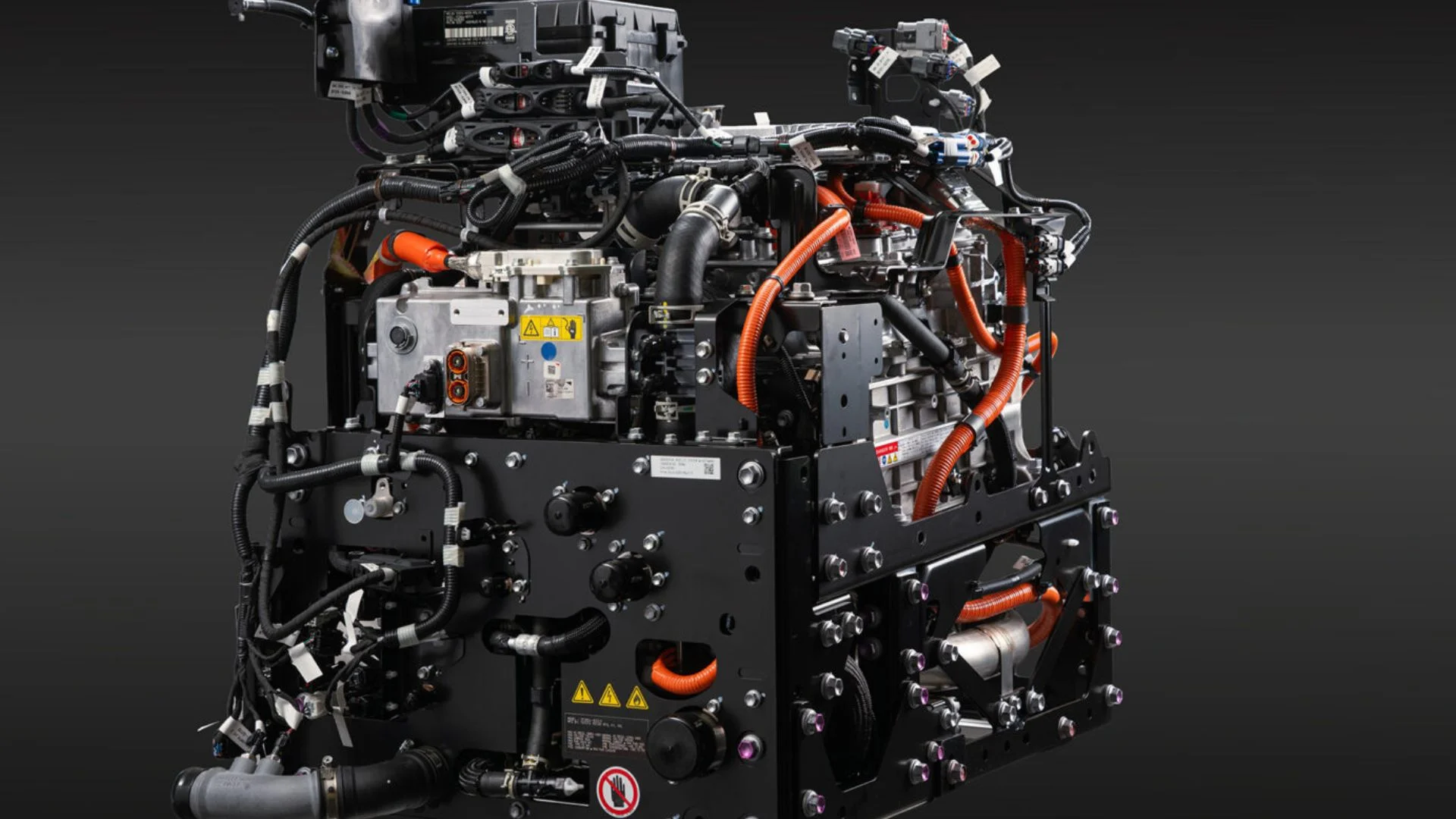
Toyota Hydrogen Solutions has achieved a key milestone in clean energy expansion as its fuel cell systems now meet major North American safety and compliance standards.
This progress supports wider use of hydrogen power for commercial and stationary energy needs.
Toyota announced that its fuel cells have earned ANSI/CSA FC 1 and FC 6 certifications. These approvals confirm that the systems meet strict safety and performance rules set by the American National Standards Institute and CSA Group.
The certifications help clear the path for larger-scale deployment of stationary fuel cell generators.
Hydrogen fuel cells generate electricity through a clean electrochemical process. They combine hydrogen and oxygen to produce power, releasing only water vapor. This makes them a more eco-friendly option than traditional fuel-based generators.
READ ALSO: Collins Aerospace Wins Bell Contracts to Supply Five Key Systems for US Army’s MV-75 FLRAA
“These certifications lower the barrier for adoption and give customers confidence to invest in cleaner power,” said Thibaut de Barros Conti. He added that the approvals reflect Toyota’s strong focus on safety and quality. He emphasized that businesses can now move forward with more certainty when choosing hydrogen energy.
Stationary fuel cell generators can support key infrastructure, such as hospitals and emergency facilities. They also help reduce pressure on overloaded electricity grids during peak demand. Their ability to run continuously, as long as fuel is available, makes them reliable for both urban and remote use.
WATCH ALSO: Chinese company’s humanoid robot has mastered Webster flip, defies physics
Unlike traditional generators, fuel cells produce no carbon emissions at the point of use. They also operate with less noise and fewer restrictions. This makes them suitable for sensitive environments and long-term energy support.
Toyota has spent decades developing fuel cell technology. The company is now expanding its use into areas like trucking, port operations, and stationary power systems. This wider application shows a shift toward practical, real-world clean energy solutions.
At the Advanced Clean Transportation Expo last year, Toyota shared its collaboration with Rehlko, formerly Kohler Energy. The partnership focuses on building 1 MW generators powered by Toyota fuel cells. They aim to deliver reliable, low-emission energy systems to commercial users.
READ ALSO: Human-like Robots in McDonald’s Uniforms in China, But Only for a Reason
Toyota Hydrogen Solutions continues to position itself as a key provider in clean energy. The company offers support from planning to system integration. Its approach combines proven technology with a strong commitment to safety and performance.