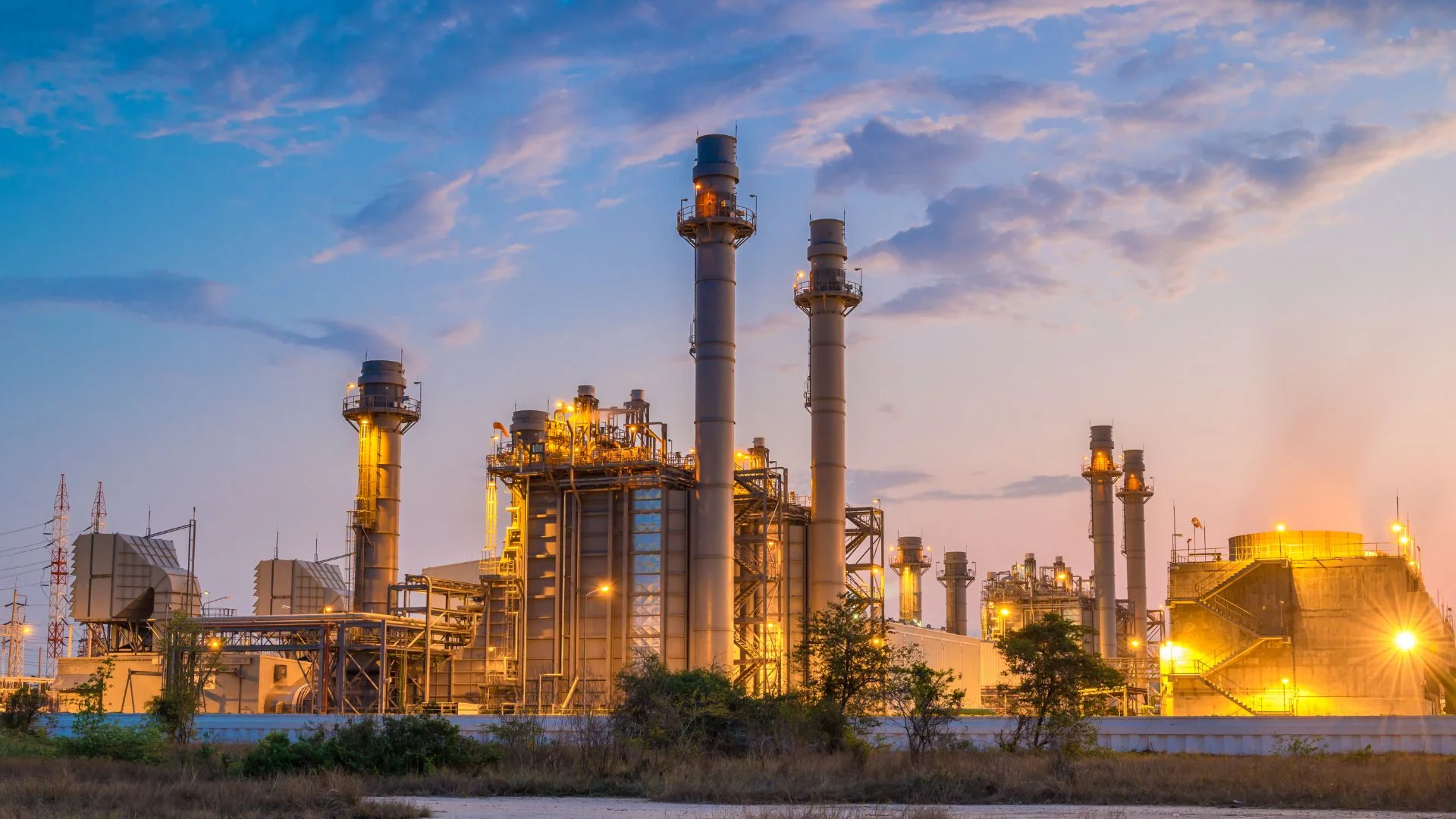
Blue Energy and GE Vernova have introduced a joint plan to build a 2.5-gigawatt power system combining nuclear reactors with natural gas turbines.
This model is designed to meet growing electricity demand while reducing the long timelines typically associated with nuclear energy projects. The project will begin at a planned site in Texas, with early groundwork expected to start as soon as 2026.
Gas-Nuclear Power Model Targets Fast Energy Delivery
The system uses natural gas turbines to provide immediate power while nuclear reactors are still under construction. Once the nuclear units are ready, the facility will gradually shift from gas to nuclear energy. This approach allows power generation to begin earlier, reducing delays that often affect large infrastructure projects.
READ ALSO: Archaeologists Uncover 5,000-Year-Old Wooden Secret Beneath Stone Island in Scotland
The companies expect gas turbines to deliver about 1 gigawatt of electricity by 2030. Nuclear reactors will then increase output to approximately 1.5 gigawatts by 2032. This phased strategy aims to ensure a consistent power supply during the transition period.
Small Modular Reactors and Prefabrication Strategy
At the core of the project is the BWRX-300 small modular reactor, a compact nuclear design designed for faster, more flexible deployment. Unlike traditional nuclear plants, small modular reactors are built in parts that can be assembled more efficiently. This reduces construction complexity and lowers overall costs.
Blue Energy plans to rely heavily on off-site construction, in which large plant components are manufactured in factories and transported to the final site. This method is similar to that used to construct liquefied natural gas terminals. By shifting work away from the site, the company aims to shorten timelines and reduce the risks of delays.
The prefabrication model also supports the development of a broader industrial supply chain. Manufacturing facilities, shipyards, and engineering firms across the US can contribute to the project. This creates opportunities for job growth while strengthening domestic energy infrastructure.
WATCH ALSO: A robot was recently kicked and violently dragged to test its abilities
Rising AI Demand Drives Energy Innovation
The collaboration comes at a time when electricity demand in the US is rising rapidly due to the growth of artificial intelligence systems and data centers. AI technologies require significant computing power, which in turn increases energy consumption. Traditional power systems are struggling to keep up with this demand pace.
By combining gas and nuclear energy, the project aims to deliver reliable electricity without interruptions. Natural gas provides flexibility and quick startup capability, while nuclear power offers steady, long-term generation with low emissions. This balance is considered important for supporting continuous operations in data centers.
The companies also plan to supply energy directly to nearby data center campuses. This localized approach reduces transmission losses and improves efficiency. It also aligns with the growing trend of building dedicated power sources for large technology facilities.
Regulatory Progress and Construction Timeline
Recent regulatory developments have helped accelerate the project timeline. The US Nuclear Regulatory Commission has approved a new construction approach that allows different phases of the plant to be built in a revised sequence. This change supports integrating gas and nuclear systems within a single project.
READ ALSO: This Raytheon Camera Sees Heat Changes First, Targets Can’t Stay Hidden
Blue Energy aims to reduce the typical nuclear construction timeline from more than ten years to under four years. This is achieved by starting power generation with gas turbines before nuclear reactors are completed. The approach also improves financing options by generating early revenue.
The company plans to apply for a construction permit in 2027. A final investment decision is also expected that year, depending on project readiness and regulatory approvals. If approved, the project could become one of the fastest nuclear deployments in recent history.
Strategic Impact on Energy and Industry
The partnership reflects a broader shift in how energy companies are responding to changing demand patterns. Hybrid systems that combine different energy sources are becoming more common as industries seek both speed and stability. This project serves as a model for implementing such systems at scale.
The initiative also highlights the role of private companies in advancing nuclear energy development. By focusing on cost control, modular construction, and financing innovation, the companies aim to make nuclear power more accessible. This could influence future projects both in the US and internationally.
WATCH ALSO: SpaceX rocket sends 11,000 pounds of scientific investigations, cargo to space station
Government support for domestic nuclear technology is another key factor. Strengthening local supply chains and expanding manufacturing capacity are seen as essential for long-term energy security. Projects like this contribute to those goals by building infrastructure and expertise within the country.
The Blue Energy and GE Vernova collaboration represents a practical response to rising electricity demand driven by modern technologies. By combining immediate power generation with long-term nuclear capacity, the project introduces a new way to deliver energy more quickly and efficiently. If successful, it may shape how future power plants are designed and built in an increasingly energy-dependent world.