China has taken a notable step toward cleaner aviation with the successful test of a hydrogen-powered turboprop engine, marking a global first in this category.
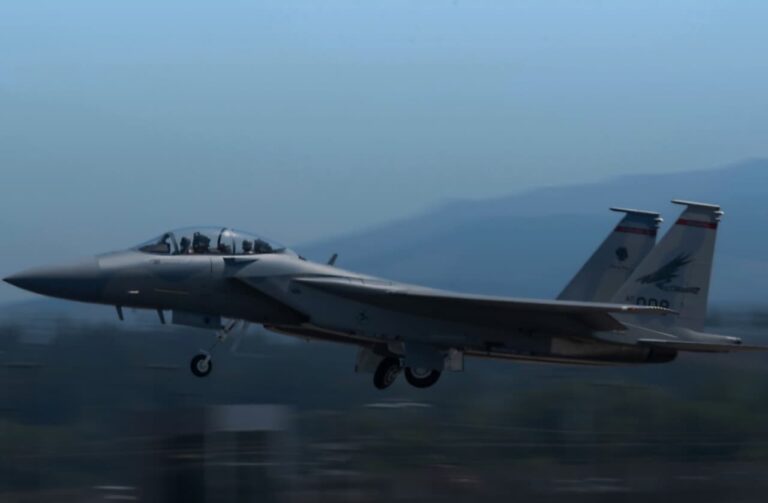
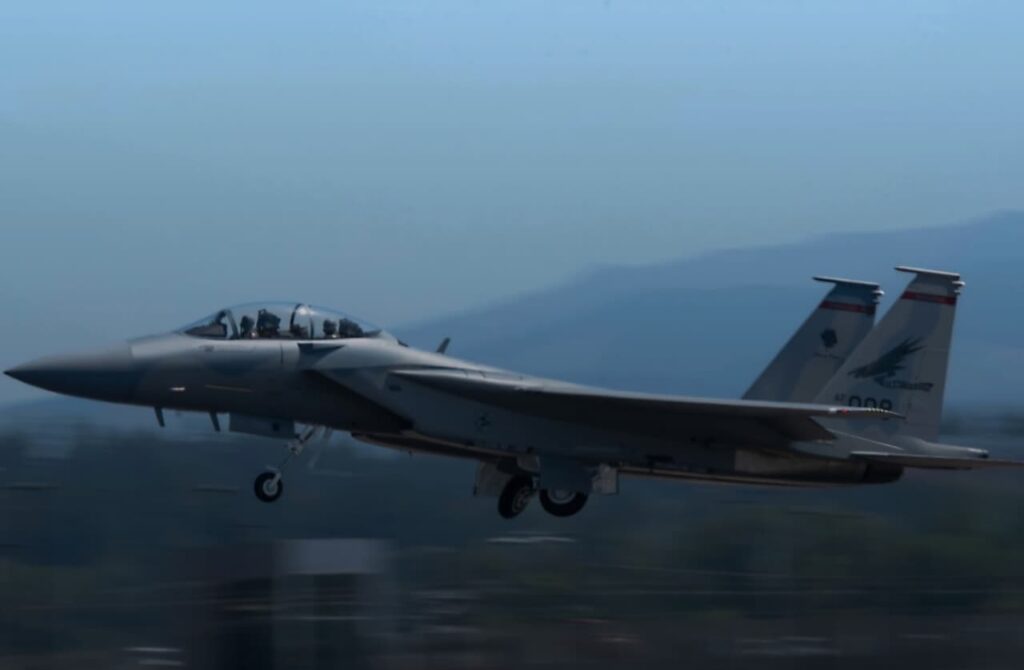
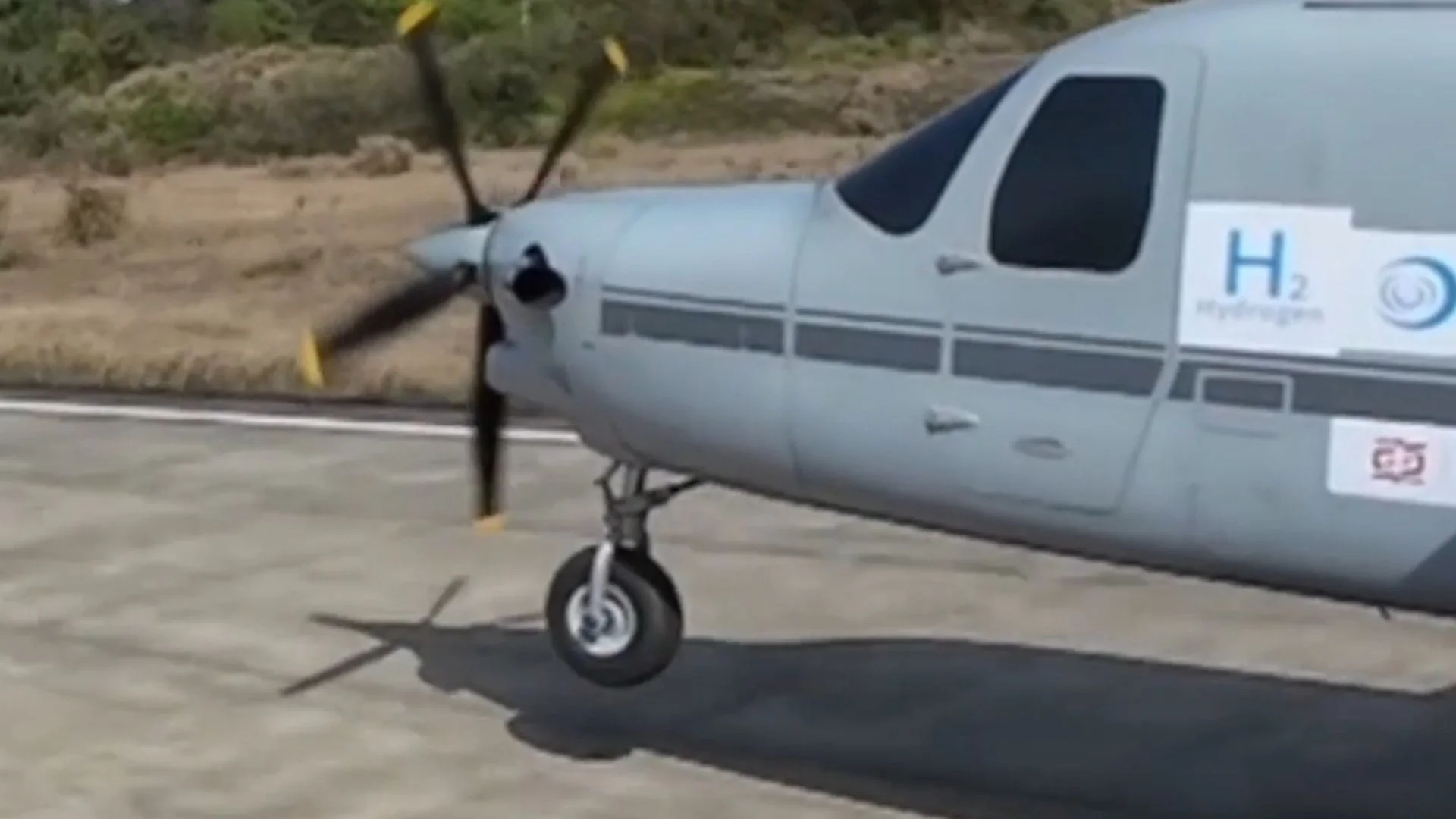
A 7.5-tonne unmanned cargo aircraft, powered by the AEP100 hydrogen-fueled engine, completed its maiden flight at an airport in Zhuzhou in central Hunan Province. The engine has been independently developed by the Aero Engine Corporation of China (AECC).
The test flight lasted 16 minutes. During this time, the aircraft covered 36 kilometers at 220 km/h and flew at an altitude of 300 meters. According to AECC, the engine performed smoothly throughout the flight and remained stable. After completing all planned maneuvers, the aircraft landed safely without any issues.
Officials confirmed that this is the world’s first successful test flight of a megawatt-class hydrogen-fueled turboprop engine. Experts from AECC said the milestone proves that China now has a complete technological chain for hydrogen aviation engines. This includes everything from core components to full engine integration.
They emphasized that the achievement is not just about one flight. It shows that the country is ready to move toward real-world industrial use of hydrogen-powered aviation systems.
READ ALSO: Germany’s Agile Robots Teams with Google DeepMind on AI Humanoid
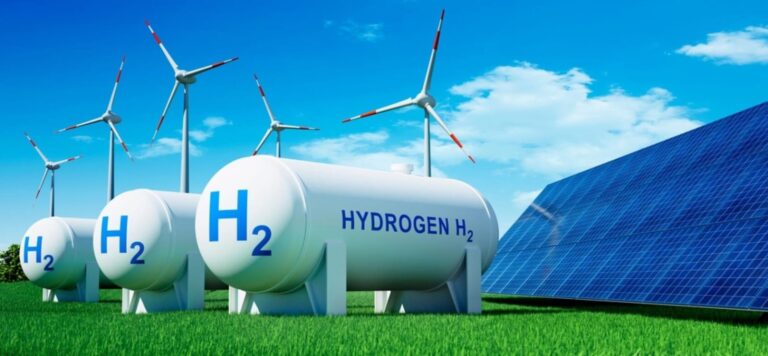
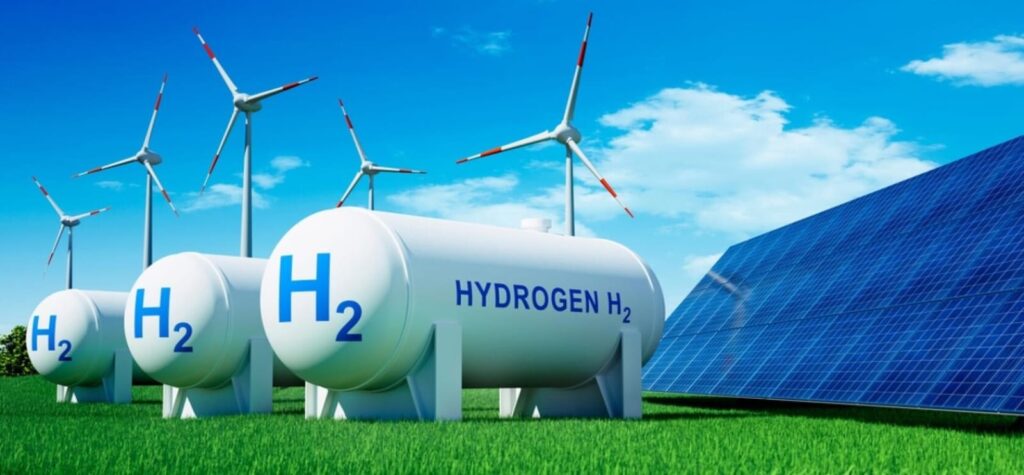
Hydrogen-fueled aviation engines are gaining global attention as the aviation sector seeks cleaner alternatives to traditional fossil fuels. Unlike conventional jet fuel, hydrogen produces no carbon dioxide when burned. This makes it an attractive option for reducing aviation emissions, which are a growing concern worldwide.
At present, hydrogen technology is still developing. However, experts believe it will first be used in low-altitude sectors such as unmanned cargo transport and island logistics. These areas require shorter distances and simpler infrastructure, making them ideal for early adoption. Over time, the technology is expected to expand into regional and even large commercial aircraft.
The importance of hydrogen aviation engines lies in both environmental and economic benefits. As the cost of producing green hydrogen continues to fall, these engines may become more affordable and efficient. They also offer energy security advantages by reducing dependence on traditional fuel sources.
WATCH ALSO: YouTuber captures lightning in a bottle during stunning experiment
Experts added that this advancement will not only impact aviation but also support growth across multiple industries. These include green hydrogen production, storage systems, transportation networks, refueling infrastructure, and advanced materials manufacturing.
In the long run, such developments are expected to accelerate the shift toward a low-carbon aviation industry. They also highlight how innovation in one sector can drive progress across entire industrial ecosystems.
With this successful flight, China has positioned itself at the forefront of hydrogen-powered aviation, setting the stage for future developments in cleaner and more sustainable air travel.