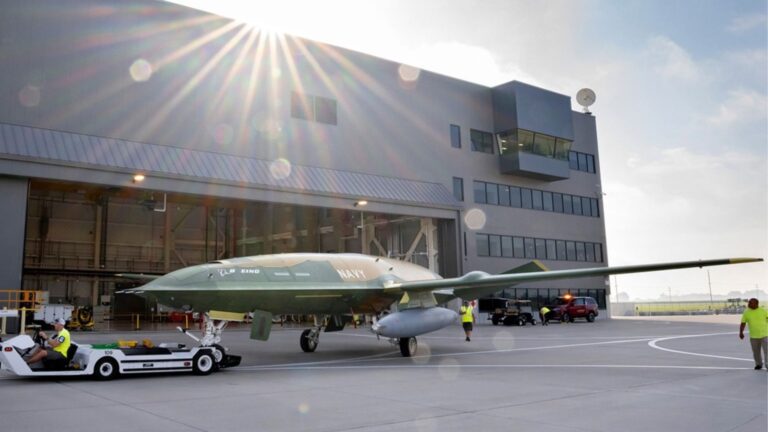
The US Navy plans to create a dedicated Robotic Autonomous Systems (RAS) commander as part of a broader push to integrate unmanned capabilities into mainstream fleet operations.
Chief of Naval Operations Adm. Daryl Caudle announced this at the WEST 2026 conference in San Diego on February 10.
Caudle said his evolving vision under the Navy’s newly released “Fighting Instructions” framework.
The initiative emphasizes operational flexibility and calls for a hedge force strategy that leverages unmanned systems alongside traditional manned platforms.
“This RAS commander, if you will, knows how to command and control these packages of unmanned capabilities to achieve the mission outcomes that the strike group commander may want,” Caudle stated. “Where my head is, and we’re not there yet. It’s almost a joint task force commander just for these systems alone.”
READ ALSO: https://modernmechanics24.com/post/coder-links-7000-iot-vacuums-worldwide/
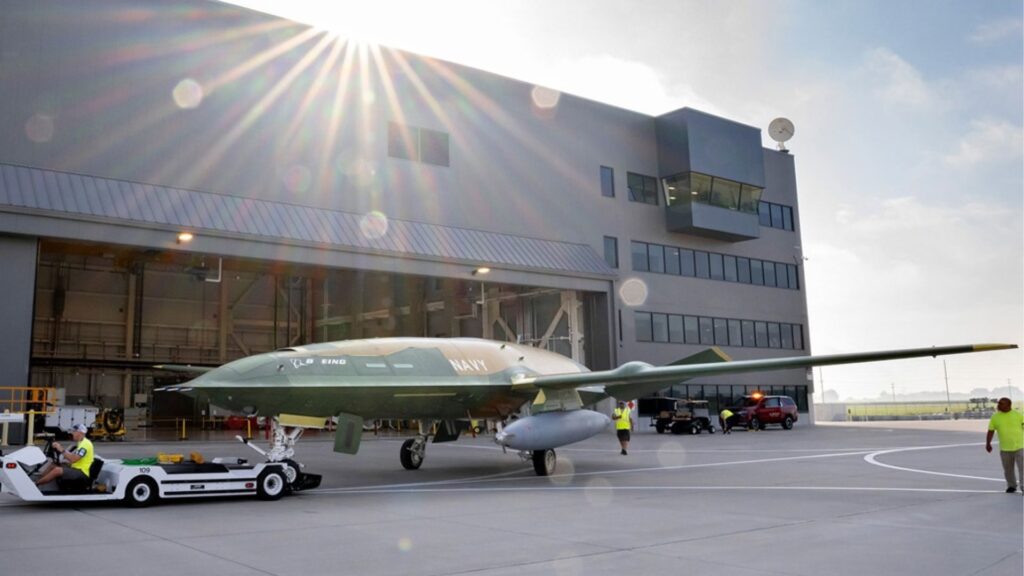
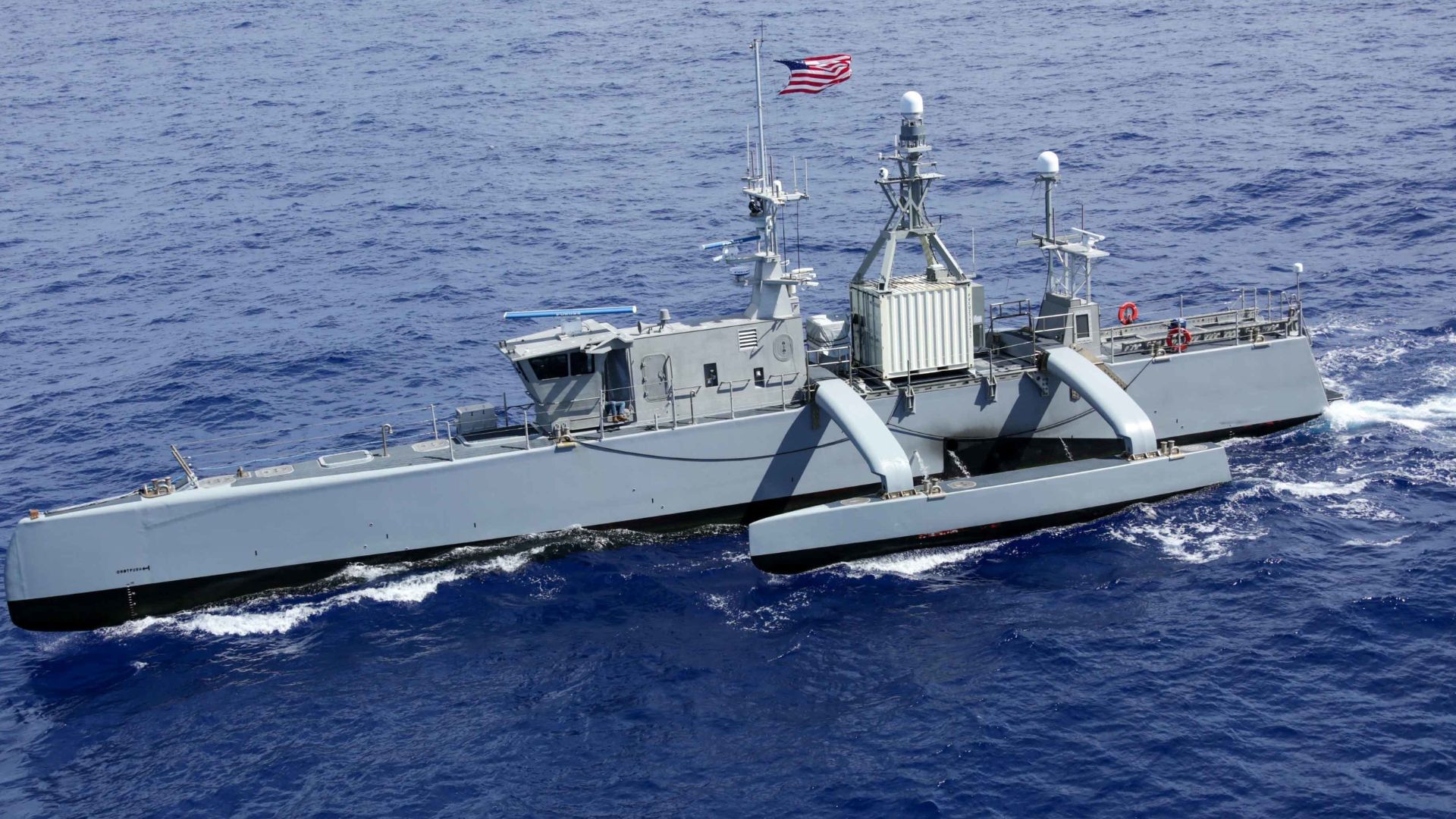
Currently, robotic and autonomous systems are organized by operational domains such as undersea warfare, aviation, and cyber. However, Caudle suggested that the Navy’s growing inventory of unmanned surface vessels, underwater drones, and autonomous aerial platforms requires a more unified command structure.
“I can easily see a robotic and autonomous system commander as a first instantiation on the strike group staff,” Caudle said. “Now I’ve got a strike commander, I’ve got an integrated air missile defense commander, a sea combat commander, and an information warfare commander. Along with these capabilities, I can see a RAS commander.”
The initiative would allow a single officer to coordinate unmanned capabilities across multiple domains. It will also ensure that these systems are deployed cohesively rather than in isolated operational silos.
Caudle emphasized that unmanned systems must serve clearly defined operational objectives rather than being treated as experimental add-ons.
“It’s a challenge making an ensemble of these types of capabilities in a meaningful way that combatant commanders and Navy component commanders can ask for in a way that solves one of their key operational problems,” he said. “We don’t want this just to be a gadget.”
WATCH ALSO: https://modernmechanics24.com/post/top-research-robot-new-ai-platform/
The Navy’s “Fighting Instructions” framework calls for integrating RAS into critical service-level decisions. It includes strategic laydown, force dispersal, and global force management. Unlike established mission areas such as anti-submarine warfare, there is no standardized model yet for requesting and deploying robotic autonomous systems at scale.
Despite the forward-leaning vision, Caudle said that the Navy is still in a discovery phase. Details of the RAS commander role, including its authority, placement within the chain of command, and administrative responsibilities, are still being refined.
“We’re in this discovery phase of how we actually assemble command and control of these forces through the administrative chain of command,” Caudle said. “We need to fill, maintain, sustain, and train sailors to actually bring these capabilities to bear.”
He added that the Navy is not yet ready to publish a formal unmanned strategy, noting that command-and-control mechanisms must be clearly defined first.
“We’re in a nascent journey of how I build ensembles together to solve key operational problems,” Caudle said.
READ ALSO: https://modernmechanics24.com/post/ghost-bat-drones-combat-deployment/
A Strategic Shift in Naval Warfare
As global maritime competition intensifies, the Navy’s consideration of a RAS commander highlights a broader transformation in naval warfare. Autonomous vessels and AI-enabled systems are expected to play an expanding role in surveillance, logistics, strike operations, and contested maritime environments.
By potentially elevating robotic systems to a dedicated warfighting command role, the Navy signals that unmanned capabilities are moving from experimental programs to core elements of fleet operations.