SpaceX unveiled the Space Situational Awareness (SSA) system which leverages its vast Starlink satellite constellation to deliver near-real-time orbital tracking and conjunction alerts.
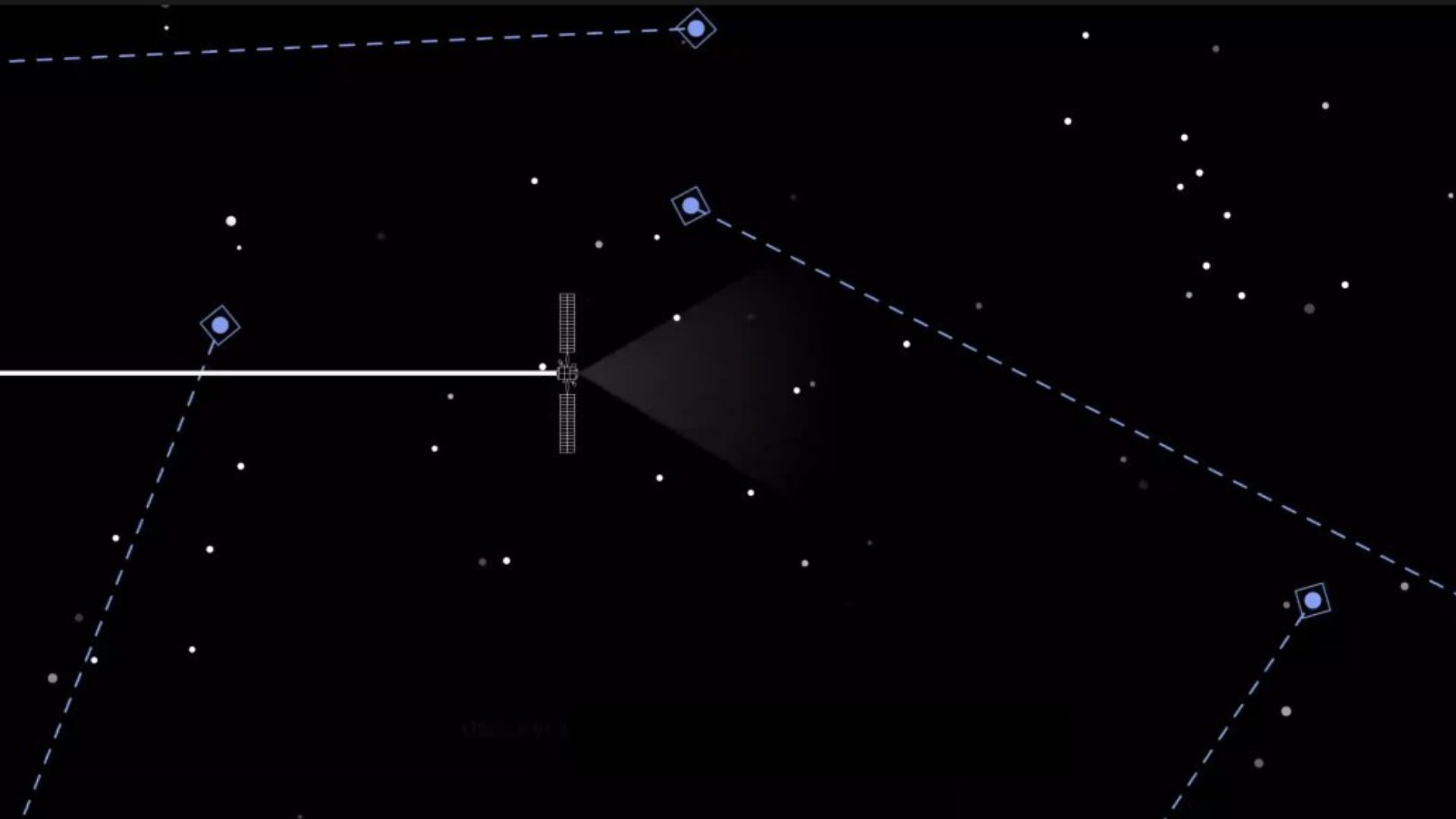
The system, called Stargaze, uses star tracker cameras mounted on nearly 10,000 Starlink satellites to detect and monitor objects in orbit.
According to SpaceX, the system collects nearly 30 million observations per day, feeding orbital calculations that update trajectories in near real time. The data is then used to identify potential close approaches between spacecraft and generate Conjunction Data Messages (CDMs) to operators.
The scale of the system alone escalates commercial space safety.
More than a dozen satellite operators are currently participating in a beta phase of SpaceX’s traffic coordination platform. The company plans to open access to all satellite operators at no cost in the spring.
READ ALSO: https://modernmechanics24.com/post/motorcycle-engineer-car-234-mph-record/
Ruth Stilwell, executive director of Aerospace Policy Solutions, welcomed the development during a SpaceCom Expo panel discussion. She said that while other SSA providers offer free services, Stargaze commands greater attention because it comes from a dominant industry player like SpaceX.
Marco Concha, flight dynamics engineering manager at Amazon’s Project Kuiper division, also described the announcement as positive for the broader satellite community. He said that Amazon maintains a strong working relationship with Starlink to coordinate satellite operations.
Concha mentioned the claim that Stargaze can observe an individual object up to 1,000 times per day. If accurate, that capability would represent an extraordinary advancement in SSA technology and potentially change how operators approach collision avoidance.
According to SpaceX, the system identified a close approach between a Starlink satellite and an unidentified spacecraft last December. Initially, the miss distance stood at 9,000 meters. However, just five hours before the projected encounter, the other spacecraft executed a maneuver that reduced the separation to only 60 meters.
Stargaze detected the maneuver almost immediately and updated the trajectory in its screening platform. The Starlink satellite then executed a corrective maneuver, eliminating any risk of collision.
The company stated that legacy radar systems or high-latency conjunction processes would not have allowed sufficient time to respond. SpaceX emphasized that frequent observations and automated updates enabled the successful mitigation.
WATCH ALSO: https://modernmechanics24.com/post/idaho-lab-receives-nuclear-reactor-fuel/
A defining feature of Stargaze is its participation requirement. SpaceX mandates that operators using the platform provide ephemeris data, i.e., detailed information about satellite positions and planned maneuvers.
While Stargaze detects maneuvers quickly, the most definitive source of trajectory information remains the satellite operator. By sharing ephemeris data, operators can improve deconfliction and reduce unnecessary collision-avoidance maneuvers.
SpaceX said that it updates Starlink ephemeris data hourly.
Ed Lu, co-founder and chief technology officer of LeoLabs, supported the push for greater transparency. Speaking at the SmallSat Symposium, he said the industry needs more incentives for companies to share maneuver plans.
Lu explained that measurement systems cannot predict future maneuvers. Only operators know their intended flight paths, and that information, he said, should be shared widely to enhance safety.
Brad King, chief executive of Orbion Space Technology, added that sharing propulsion data could further improve coordination. He suggested that knowledge about propellant reserves would help determine which spacecraft should maneuver in a potential conjunction scenario.
The debut of Stargaze arrives as the US government advances its own traffic coordination initiative. The Commerce Department’s Office of Space Commerce is developing the Traffic Coordination System for Space (TraCSS), mandated under Space Policy Directive-3 in 2018.
Gabriel Swiney, director of policy, international, and advocacy at the Office of Space Commerce, said the first production version of TraCSS is expected soon after extensive operator testing. However, a six-week government shutdown last fall delayed its rollout.
READ ALSO: https://modernmechanics24.com/post/chinas-nantianmen-project-sparks-big/
Swiney described Stargaze as a technically clever implementation of existing tools but cautioned that more data can introduce complexity. He said that SSA providers often produce differing orbital predictions.
That variability can create confusion for satellite operators. Companies subscribing to multiple SSA services may receive conflicting information, while those relying on a single provider may lack visibility into what others are seeing.
As mega-constellations expand and more nations and private companies launch satellites, the need for reliable, real-time space traffic management has become mandatory. Low Earth orbit is growing increasingly crowded, heightening the risk of debris-generating collisions.
By leveraging its vast Starlink network, SpaceX has positioned Stargaze as both a safety tool and a coordination framework. The company’s emphasis on automated, high-frequency observations combined with mandatory ephemeris sharing signals a push toward industry-wide transparency.
Despite Government norms, Stargaze signals a shift in how space traffic management may operate in the future: faster, more data-driven, and increasingly collaborative.