China unveiled its new Wing Loong X combat drone at the Singapore Airshow, signaling a strong push into the global defense market.
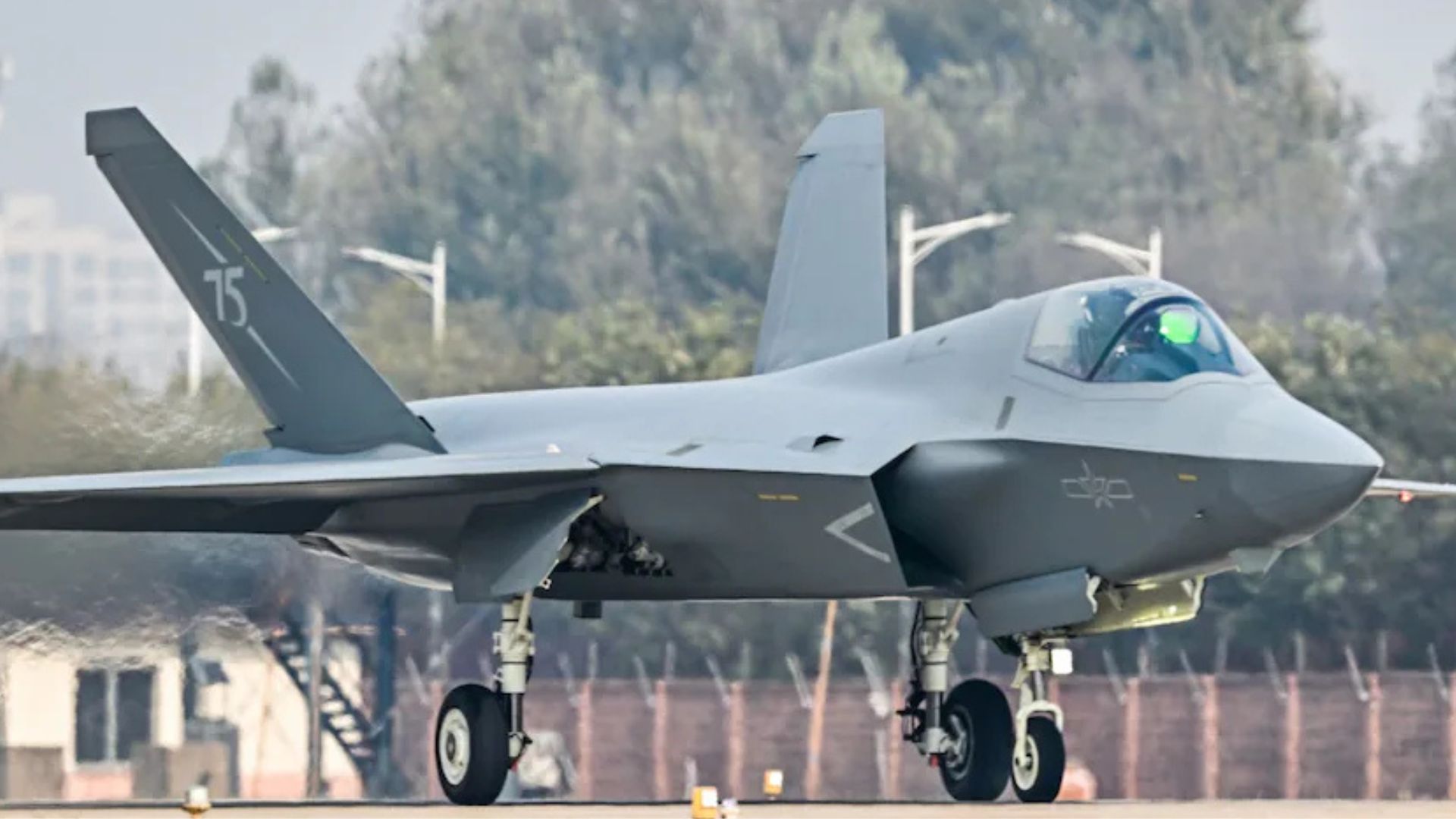
While Beijing’s J-35A fifth-generation fighter jet is grabbing attention, defense analysts say the Wing Loong X is more likely to achieve international sales success.
The drone was displayed at the booth of the Aviation Industry Corporation of China (AVIC), the country’s leading aerospace manufacturer. It marked the first time the maritime-focused combat drone was introduced in c.
The latest model in China’s Wing Loong drone family, the Wing Loong X, also known as WL-X, is designed to monitor sea lanes, conduct reconnaissance, and conduct precision strikes.
China is expanding its presence in the global unmanned aerial vehicle (UAV) market. By showcasing the Wing Loong X at Asia’s largest aerospace event, Beijing is targeting new customers, particularly in Southeast Asia and the Middle East.
READ ALSO: https://modernmechanics24.com/post/robot-dogs-guard-fans-fifa-world-cup/
Chinese military products are no longer being overlooked. Instead, they are now seen as serious competitors to Western systems, especially in the drone sector.
“Chinese products are not only being noticed in the West, but their aircraft and combat drones are also being recognized as competitors; the capability gap between these systems and their US competitors is narrowing while maintaining significantly lower costs,” said Andreas Rupprecht, a military aviation researcher specializing in China.
Lower prices remain one of China’s strongest advantages in the defense export market. Western-made combat drones often come with higher costs and stricter export controls. It makes Chinese platforms attractive alternatives for many nations.
The Wing Loong series is produced by AVIC, a state-owned aerospace giant. The company has already secured multiple international buyers for earlier models.
Countries that operate Wing Loong drones include Saudi Arabia, the United Arab Emirates, Egypt, Pakistan, Morocco, Algeria, Indonesia, and Nigeria. In 2024, the Royal Saudi Air Force reportedly logged 5,000 flight hours with its Wing Loong II fleet, marking a key milestone.
Defense analyst Federico Borsari said some of these nations may return as buyers for the new variant. He suggested that countries with strong naval interests could use the Wing Loong X to strengthen maritime security operations.
WATCH ALSO: https://modernmechanics24.com/post/china-new-massive-battle-tank-live-fire/
China is positioning the WL-X as a cost-effective solution for nations seeking advanced surveillance and strike capabilities without relying on US or European suppliers.
The global defense market is shifting. Demand for combat drones has surged as countries seek affordable and flexible military tools. UAVs are widely used for border monitoring, counterterrorism, and maritime patrol missions.
China has already gained a strong foothold in the combat drone sector. However, its ambitions extend beyond UAVs.
Beijing also promoted the J-35A fifth-generation fighter jet. But it is believed that fighter jet exports may face challenges.
“The industry is small for Beijing since many of the wealthiest countries that can afford fifth-generation airplanes are either allies with the US or long-standing clients of Russia. … Only a few, such as Pakistan, have enduring security ties with China,” said Timothy Heath, senior international defense researcher at RAND.
He added that China’s best opportunity may lie in attracting traditional Russian clients, especially as Moscow’s defense industry struggles amid the war in Ukraine.
READ ALSO: https://modernmechanics24.com/post/nasa-telescope-spots-life-molecules/
A 2025 report by the US-China Economic and Security Review Commission noted that China reportedly offered to sell 40 J-35A jets to Pakistan in June 2025, but deliveries have not yet been completed.
On the contrary, the Wing Loong X entered a more open and growing market. Many developing countries seek advanced drones that are affordable and readily available, free from political restrictions.
By promoting the Wing Loong X at the Singapore Airshow, China is signaling that it intends to compete aggressively in the global UAV market. If pricing remains competitive, analysts believe the maritime combat drone could strengthen Beijing’s role as a major defense exporter.