A US-based defense technology firm has secured a major contract to produce rocket-powered launch systems for tactical drones, marking a significant step toward rapid military deployment.
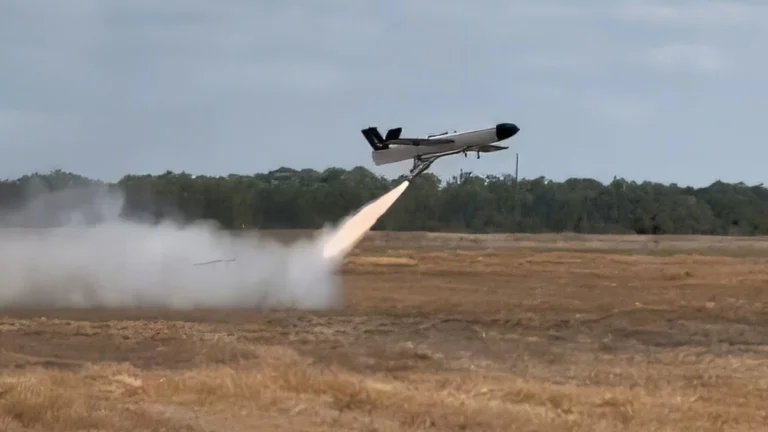
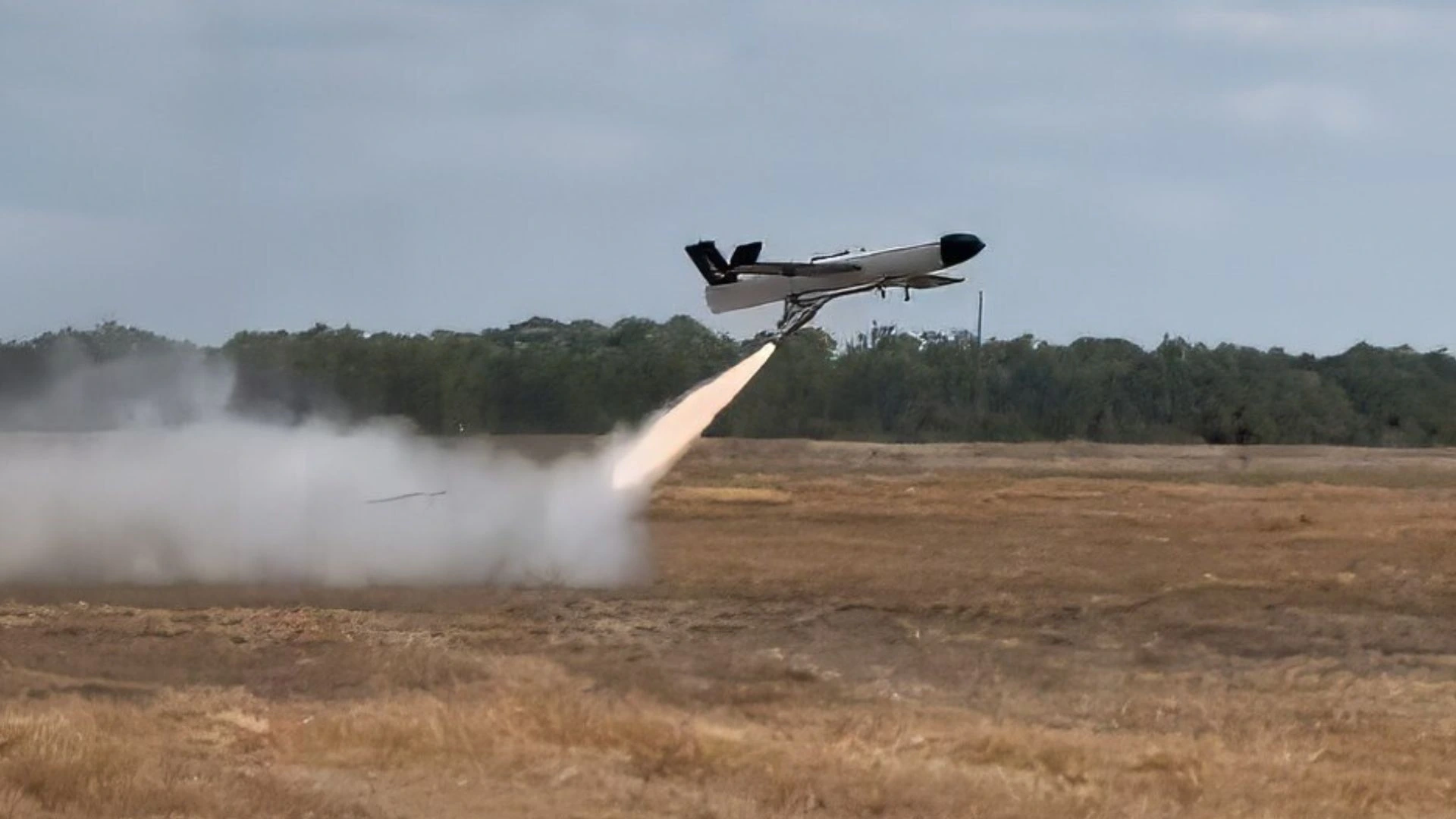
X-Bow Systems, headquartered in New Mexico, has been awarded a $12.1 million contract to manufacture rocket-assisted take-off (RATO) kits. These kits will be used for the Disruptor unmanned aerial systems developed by Aevex Aerospace.
The agreement includes the production of hundreds of complete RATO kits and thousands of solid rocket motors. Deliveries are scheduled from March to August 2026, indicating a fast-paced production timeline.
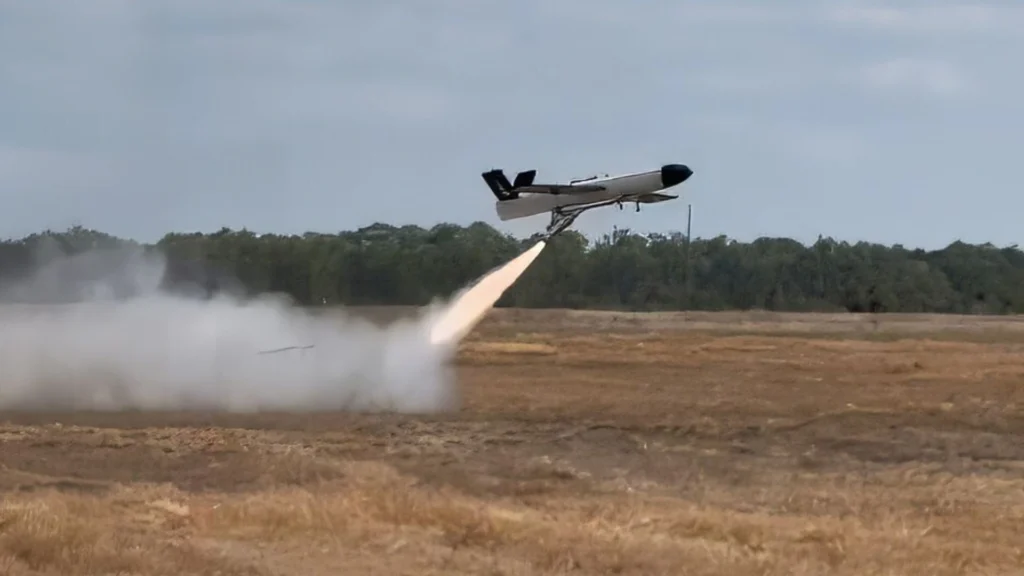
RATO systems are designed to help drones take off from areas where traditional runways are unavailable. This includes rough terrain, crowded environments, and remote locations. The system combines a rocket motor with a launch cradle, giving the drone the thrust it needs to take off over a short distance.
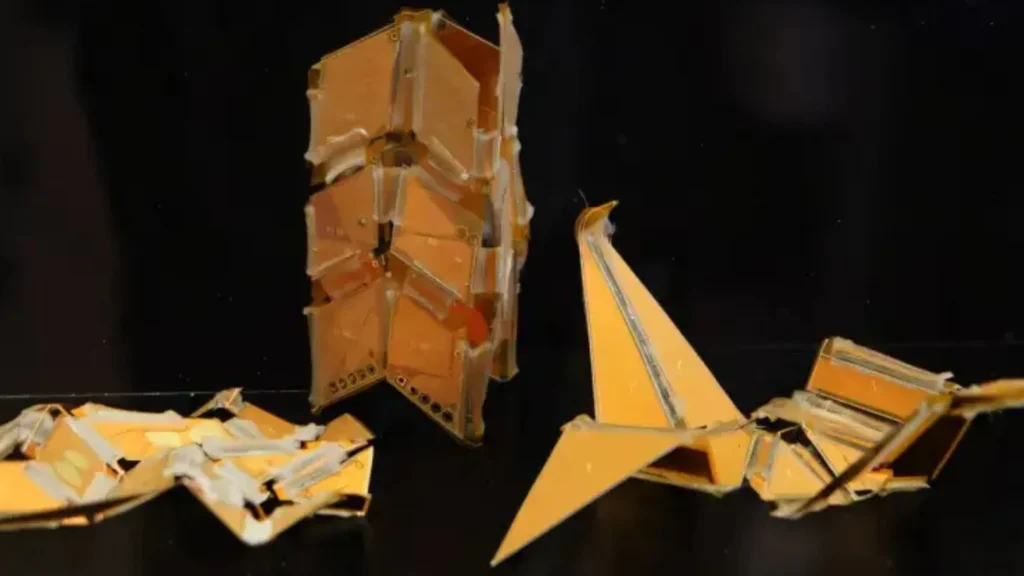
READ ALSO: No Motors, No Air: This Origami Robot Moves in a Completely New Way
This capability is especially important for modern military operations, where flexibility and speed are critical. By removing the need for prepared runways, drones can be deployed quickly and from almost anywhere. The contract also highlights a key innovation in how these rocket systems are built.
X-Bow Systems is using additive manufacturing, commonly known as 3D printing, to produce solid rocket propellant. This marks the first time the company’s technology will be used at such a large scale in operational systems.
According to the company, this method significantly reduces development time. Traditional rocket manufacturing can take weeks or even months from design to testing. In contrast, X-Bow says its process can complete the same cycle in just a few days.
This speed comes from the ability to quickly design, print, and test new configurations without complex tooling or lengthy production setups.
WATCH ALSO: New Intelligence Platform Powers Top Research Robot
The company also noted that its proprietary 3D printing approach allows for motor designs that are not possible with conventional methods. This means engineers can customize performance more precisely to meet mission requirements.
In addition, the process supports rapid prototyping at a lower cost. This makes it easier to test new ideas and adapt systems quickly as operational needs change.
Jason Hundley, CEO and founder of X-Bow Systems, emphasized the importance of speed in today’s defense environment.
“Our ability to go from contract award to fielded combat capability in just a few months is exactly what today’s rapidly evolving defense landscape demands,” he said.
“This contract validates our ability to build fast, field faster, and deliver now to meet urgent defense needs.”
The rocket kits will be used with Aevex Aerospace’s Disruptor drone, a tactical unmanned aerial system designed for long-range missions.
The Disruptor is a mid-sized drone measuring about 3 meters (10 feet) long and 5 meters (16 feet) wide. It has a maximum takeoff weight of 83 kilograms, making it suitable for a range of operational roles.
Despite its relatively compact size, the drone can carry a payload of up to 23 kilograms. This includes both ordnance and intelligence, surveillance, and reconnaissance (ISR) equipment.
The system is designed for endurance and range. It can operate for more than 14 hours on a single mission and cover distances of up to 1,400 kilometers (870 miles). These capabilities make it suitable for extended surveillance, target tracking, and tactical strike roles.
By combining the Disruptor drone with RATO kits, operators gain greater flexibility in how and where the system is deployed. This is particularly useful in situations where infrastructure is limited or where rapid response is required.
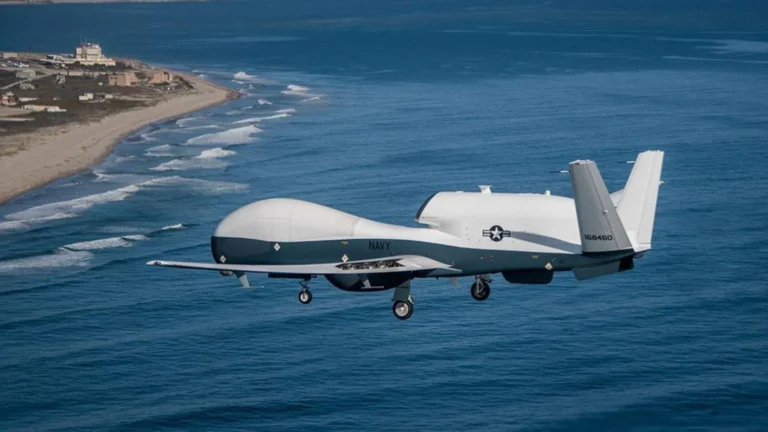
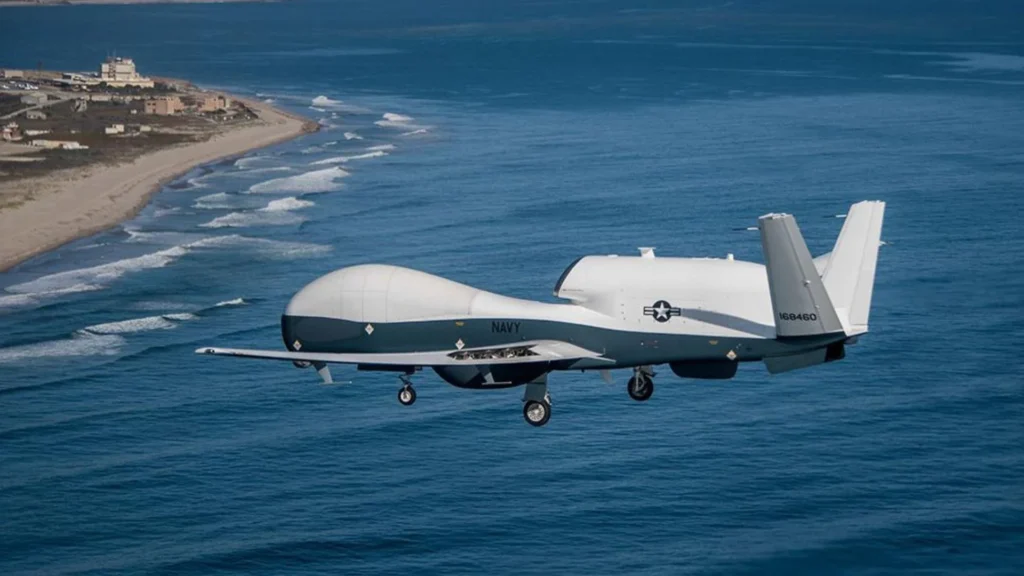
READ ALSO: US $200M MQ-4C Triton With 50,000 ft Eye Vanishes Mid-Air Over Strait of Hormuz
The integration of rocket-assisted launch systems with long-endurance drones reflects a broader trend in modern warfare. Armed forces are increasingly focusing on mobility, speed, and adaptability.
Technologies such as additive manufacturing are playing an increasingly important role in this shift. They allow companies to respond quickly to new requirements and deliver systems more quickly.
For X-Bow Systems, this contract represents more than just a production milestone. It demonstrates the practical use of 3D-printed propellant in real-world defense applications.
It also signals the defense sector’s confidence in newer manufacturing methods that promise faster delivery and greater design flexibility. As military operations continue to evolve, systems that combine rapid deployment with advanced capabilities are likely to play a central role.
With this contract, both X-Bow Systems and Aevex Aerospace are positioning themselves at the forefront of that transformation, where speed, innovation, and adaptability define the next generation of defense technology.