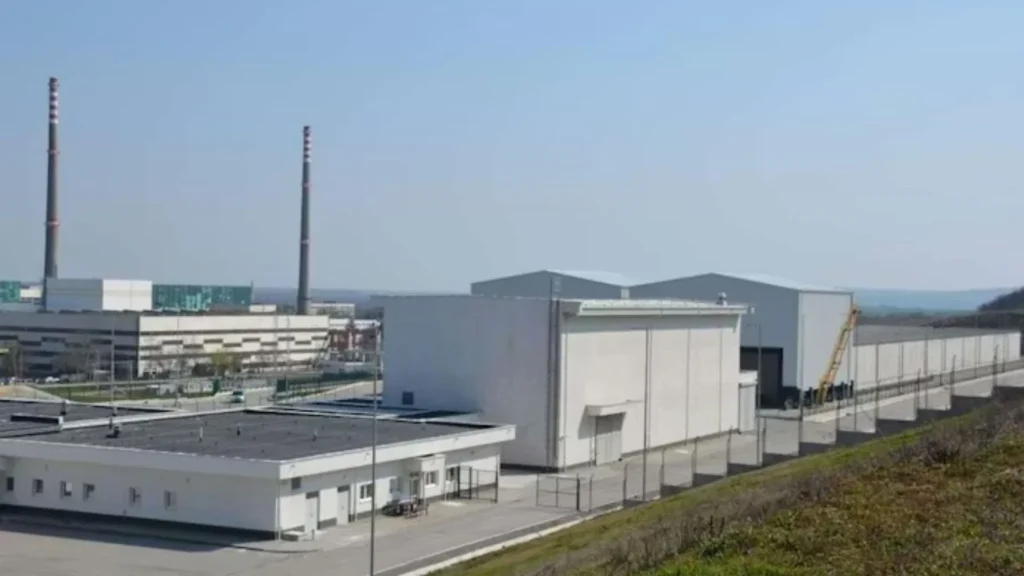
The US Air Force has begun building new prototype missile silos in Promontory, Utah, marking a significant push to modernize its nuclear defense system.
This facility is being built to house the next-generation LGM-35A Sentinel Intercontinental Ballistic Missile (ICBM), which will replace the aging Minuteman III missiles that have been in service for decades.
The project is being developed by Northrop Grumman in partnership with Bechtel. They are designing a new kind of missile silo that is more advanced, easier to maintain, and faster to build.
Why The US Is Upgrading Its Missile System
The US nuclear defense strategy relies on a triad. This includes three main components: bomber aircraft, submarine-launched missiles, and land-based missiles. The idea behind this system is simple. If one part is attacked or disabled, the other two can still respond. This ensures that no enemy can completely block a retaliatory strike.
READ ALSO: IIT Gandhinagar Simplifies Flexible Robot Control with Low Computation
Since 1970, land-based nuclear missiles have been a key part of this system. The US has operated around 550 LGM-30 Minuteman III missiles. Out of these, 400 remain active today. These missiles are spread across 450 underground silos located in Wyoming, North Dakota, and Montana.
However, the Minuteman III system is now showing its age. Many of the missiles and their silos are over 50 years old. As a result, maintenance has become more difficult, and concerns about reliability are growing.
Enter The Sentinel Missile
To address these issues, the US plans to replace the Minuteman III with the new Sentinel missile. The Sentinel is a modern, three-stage solid-fuel rocket. It stands about 60 feet (18 meters) tall and is designed for greater precision and efficiency.
The missile uses a liquid-fueled bus system that helps guide its warhead to the target with high accuracy. It is expected to carry a warhead with a yield of around 475 kilotons.
The current plan is to build 400 Sentinel missiles for deployment. In addition, 234 extra missiles will be produced for testing and spare parts.
The Silo Problem
At first, the plan was to reuse the existing Minuteman III silos. However, this idea quickly ran into problems.
WATCH ALSO: Humanoid robot folds towel autonomously after observing human
The old silos were built using poured reinforced concrete. Each one was custom-made, meaning they are not standardized. Their systems are also outdated. Many rely on analog electronics with hard-wired connections. Even small upgrades require major structural changes.
Communication systems in these silos depend on copper cables and basic phone lines. Environmental controls are outdated, often leading to moisture issues. The internal layouts are tight, making repairs difficult.
On top of that, many of the silos are physically deteriorating. The Sentinel missile is also larger than the Minuteman III, making it a poor fit for the older structures.
In short, upgrading these old silos would be more complex and costly than building new ones.
A New Generation Of Silos
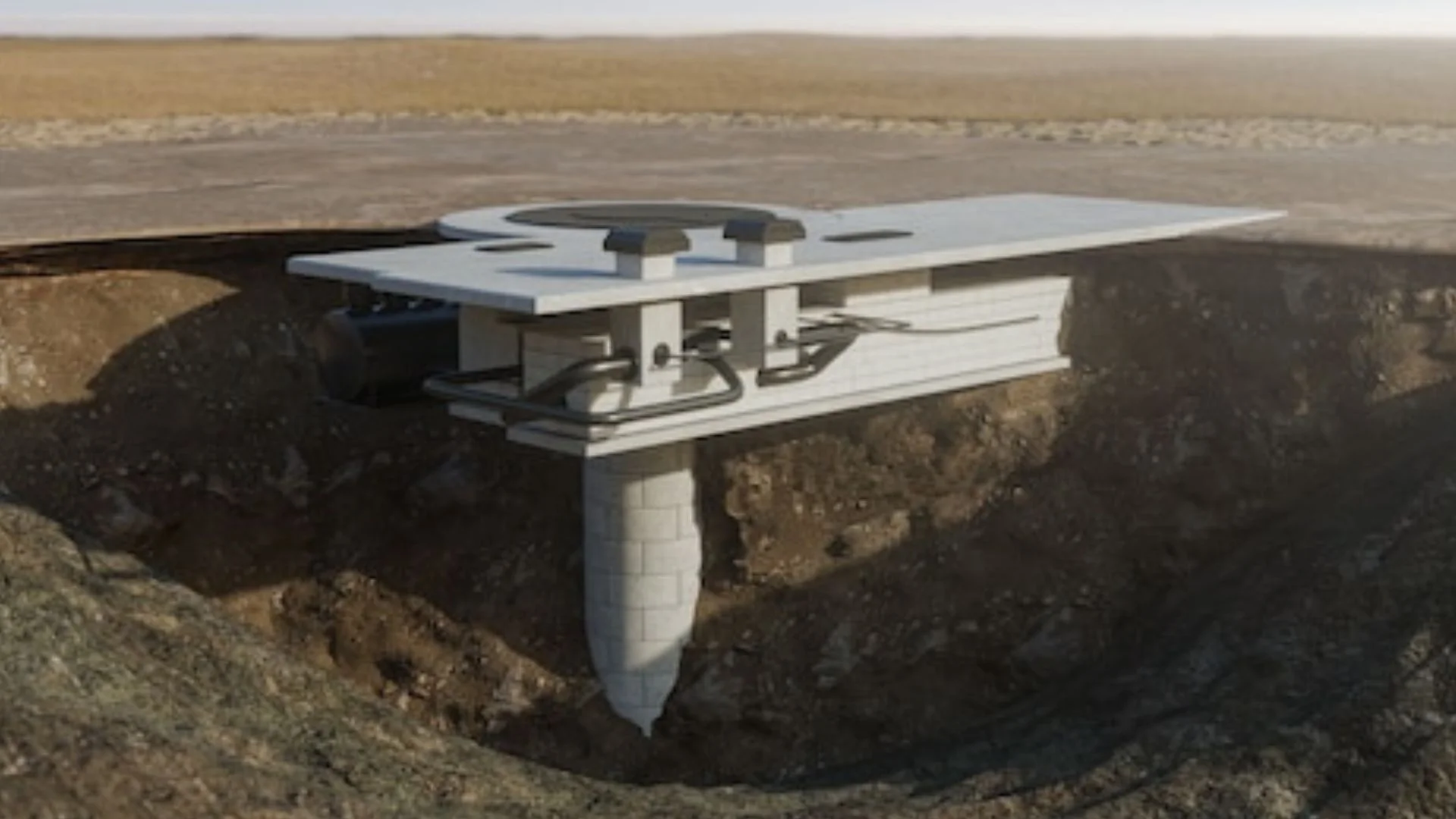
The new Sentinel silos are designed very differently. Instead of being built entirely on-site, they use pre-cast concrete sections made in factories. These sections are transported to the site and assembled like building blocks.
This modular design speeds construction and makes it more efficient. It also allows parts to be replaced or upgraded more easily in the future.
The entire system is built with modern technology in mind. The electronics are software-defined, meaning updates can be made without major physical changes. The silos use a digital backbone that supports modular components.
READ ALSO: China’s 42-Vessel Ocean Mapping Campaign Boosts Submarine Warfare Against US Navy
Communication systems have also been upgraded. Instead of copper cables, the new silos use hardened fiber-optic networks. These provide higher bandwidth and greater reliability.
Environmental control systems have also improved. They are designed to prevent moisture and maintain stable conditions inside the silo.
The layout of the new silos is more user-friendly. Engineers can access equipment more easily, making maintenance quicker and safer.
Another key feature is the use of a digital twin. This means every part of the silo is tracked digitally from manufacturing to installation. Engineers can monitor and manage each component with precision.
According to the Air Force, around 450 new silos will be built. These will be located on the same land as the current Minuteman III silos.
As before, there will be more silos than active missiles. This is due to arms control agreements and the need for testing. The system allows some silos to remain empty or be used for test launches.
The Sentinel missile program has already completed firing tests of all its stages. Flight tests are expected to begin in 2027. The system is planned to become operational in the early 2030s.
What Happens To Old Silos?
The future of the old silos is still unclear. However, there is an interesting precedent. In the past, some decommissioned missile silos have been sold to private buyers.
These structures have been turned into unique homes and storage spaces. Some even feature massive reinforced doors and underground living areas.
WATCH ALSO: China’s new massive battle tank takes part in live-fire test
While it remains to be seen what will happen this time, the idea of owning a former missile silo continues to capture the public imagination.
The move to build new silos rather than upgrade old ones marks a significant shift in US defense strategy. It reflects not only the need for modern weapons but also the importance of reliable infrastructure.
With the Sentinel program, the US is aiming to create a system that can adapt to future challenges. Faster construction, easier upgrades, and advanced technology are all part of this plan.
As the project moves forward, it signals a new chapter in the evolution of nuclear deterrence, one built on flexibility, precision, and long-term sustainability.