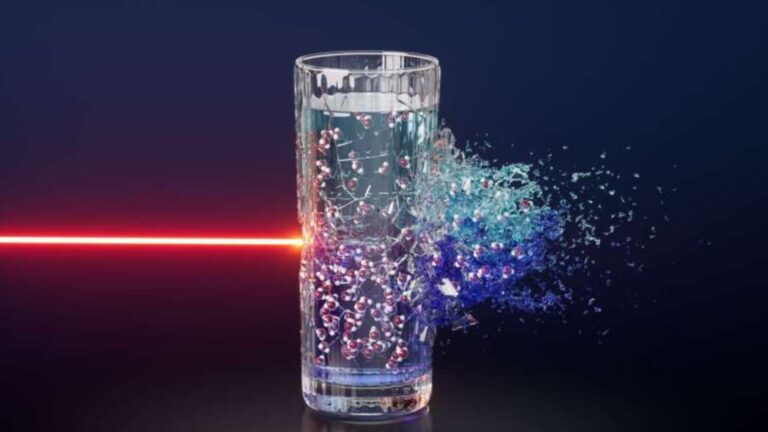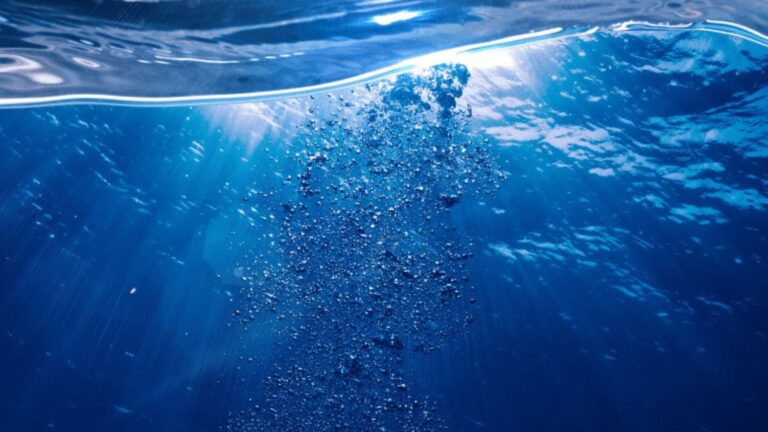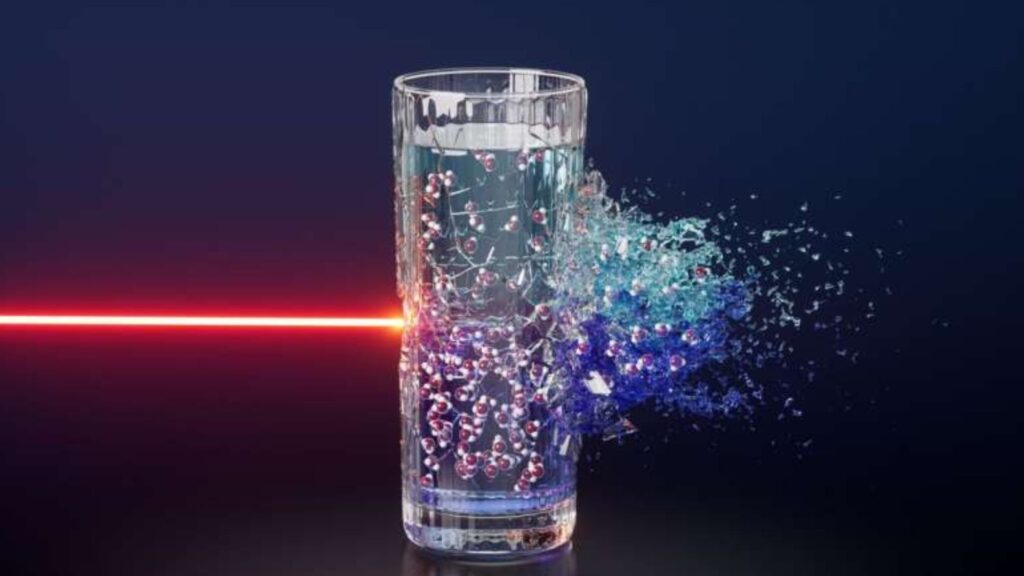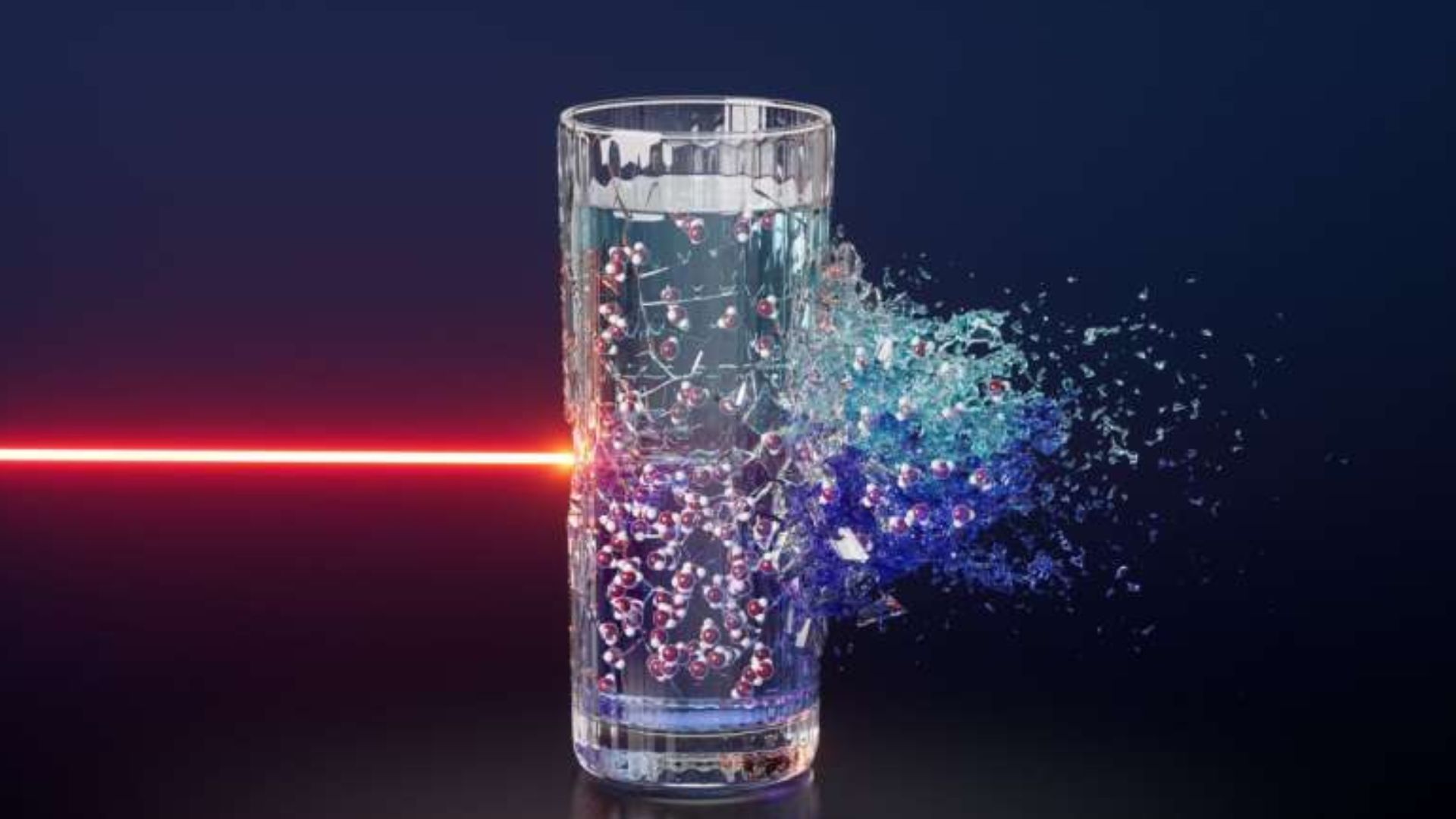
Researchers at Stockholm University have used powerful X-ray lasers to finally prove the existence of a hidden “critical point” in water.
The discovery, published in the journal Science, solves a century-old mystery about why water behaves so differently from other liquids.
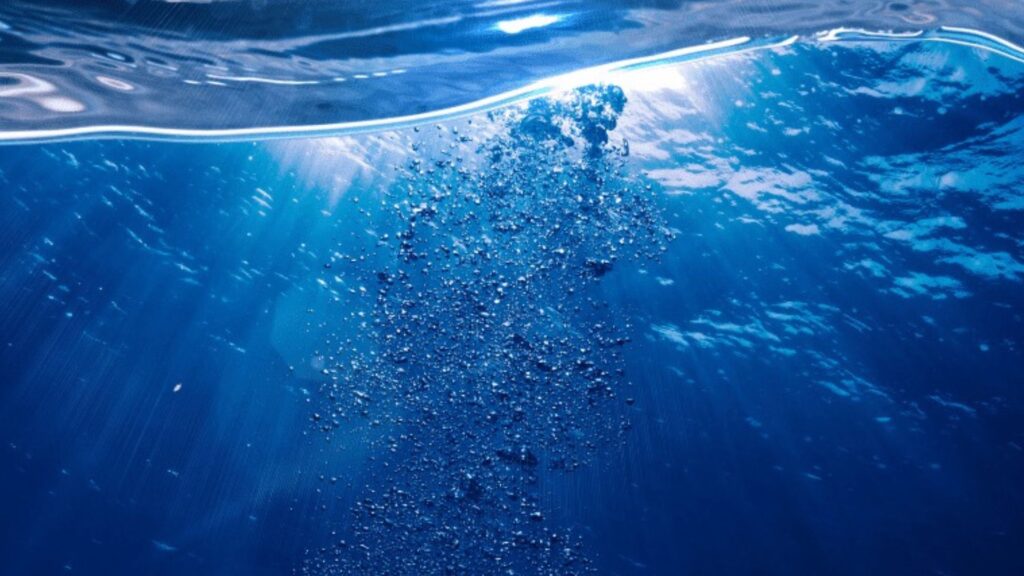
This critical point exists in supercooled water, which is water cooled below freezing without turning into ice. The team pinpointed it at around -63°C and at a pressure 1,000 times greater than the atmosphere at sea level.
The work was led by Anders Nilsson, a Professor of Chemical Physics at Stockholm University. The team used ultra-short X-ray pulses from a laser facility in South Korea to make their observations.
READ ALSO: Natanz Targeted Again, No Leak: Iran Points Fingers at US and Israel
Water is strange. Unlike most liquids, it expands when it cools and is densest at 4°C. This is why ice cubes float. For over a century, scientists have theorized that a hidden critical point, where water exists in two competing liquid states, was the cause of these odd behaviors. This study confirms that theory.
Water can exist in two distinct liquid phases at low temperatures and high pressure, each with a different molecular structure. The new critical point is the precise temperature and pressure where these two liquids become indistinguishable. As water approaches this point, it rapidly fluctuates between the two states, altering its properties.
WATCH ALSO: Biohybrid robots turn food waste into functional machines
Understanding this fundamental behavior helps explain water’s role in everything from climate science to biology. As researcher Fivos Perakis noted, water is the only supercritical liquid under the conditions where life exists, suggesting a possible deeper connection.
The discovery was made possible by X-ray lasers that can capture images faster than ice can form, but the work is not yet finished. The researchers say the next big challenge is to explore the implications of this finding for water’s role in chemical, biological, and geological processes.
READ ALSO: AI Love Tragedy: Man’s Suicide After AI Romance Triggers Gemini Lawsuit
This finding settles a long-running scientific debate. According to Anders Nilsson, researchers studying water physics can now agree on a core model, allowing them to move forward and investigate water‘s complex influence on the world around us.