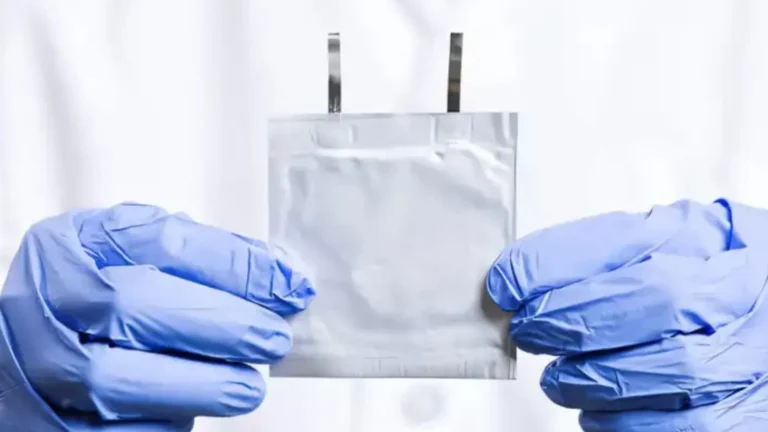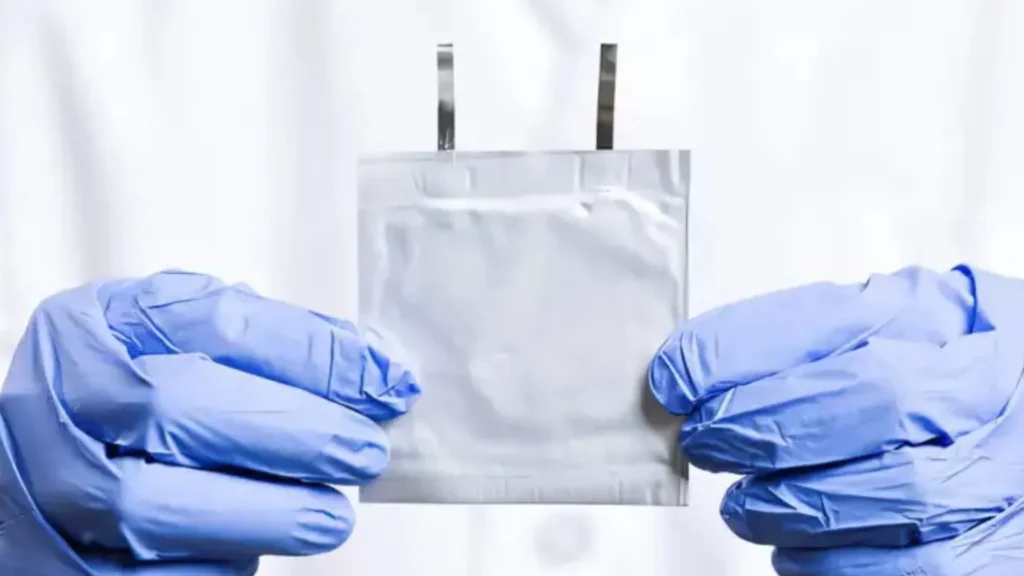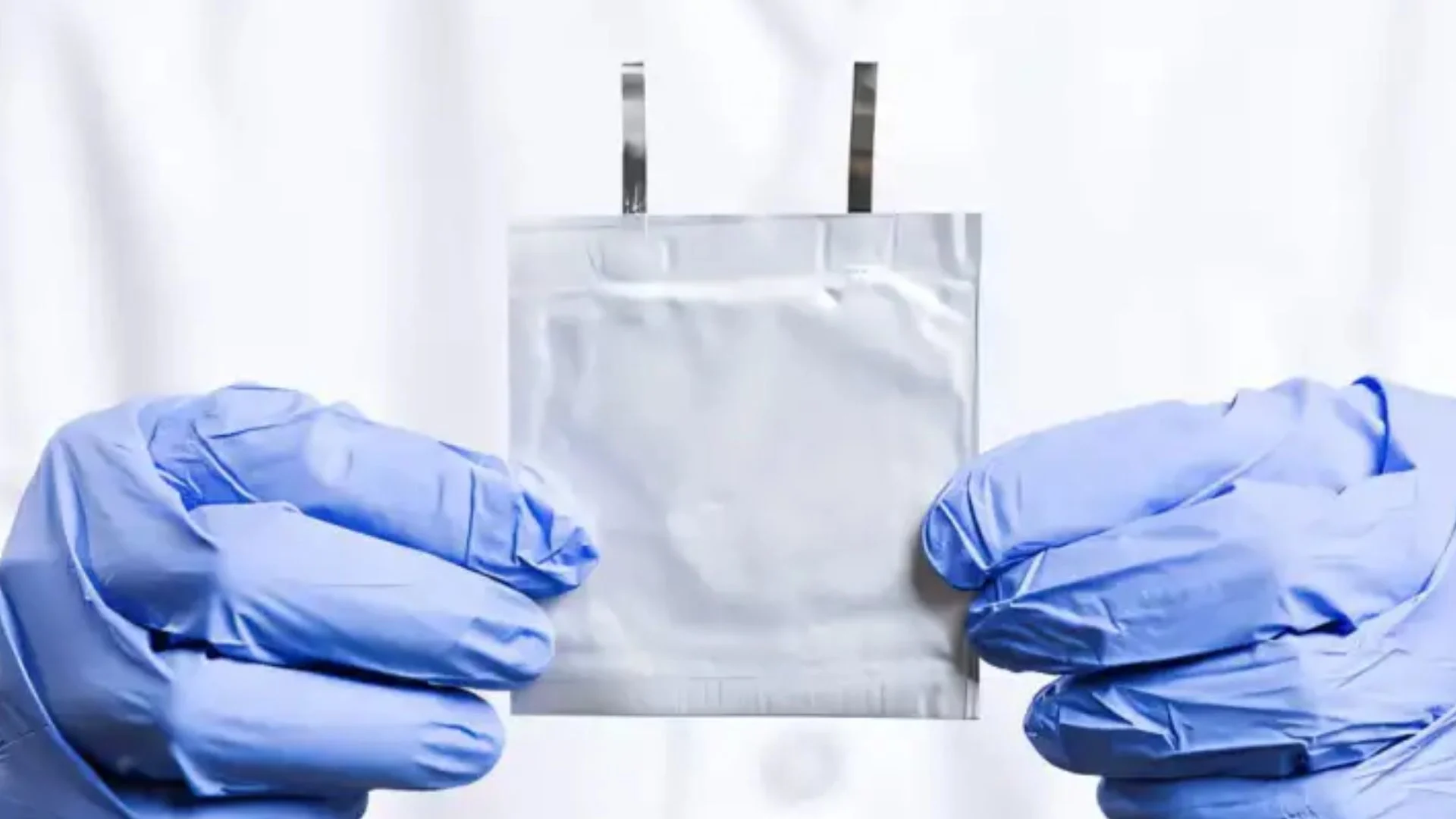
A team of researchers has developed a safer, simpler rechargeable battery that runs on water and lasts for more than 900 charge cycles.
The innovation comes from the FAMU-FSU College of Engineering, where scientists are working to improve how batteries are built and used. Their work, published in ACS Omega, focuses on zinc-ion batteries as an alternative to traditional lithium-ion systems.
The study is led by Professor Petru Andrei and doctoral student Peng Wang. Their aim is to create batteries that are safer, more affordable, and easier to produce at scale.
As global demand for energy storage grows across industries from consumer electronics to electric vehicles and renewable energy systems, the need for better battery technology has become urgent.
READ ALSO: Butterfly-Inspired Lattice Resists Impact and Absorbs Energy for Aerospace, Earthquake Safety
Lithium-ion batteries remain widely used, but they come with concerns. They can overheat, catch fire, and depend on materials that are not always environmentally friendly. This has encouraged researchers to explore other options. Among them, aqueous zinc-ion batteries (AZIBs) stand out because they use water-based electrolytes, making them safer and more sustainable.
However, AZIBs have faced major challenges. One of the biggest problems is the formation of dendrites, tiny metal structures that grow inside the battery during charging. Over time, these structures can pierce internal layers, causing short circuits and failure. In addition, manufacturing these batteries has been complex, limiting their practical use.
To solve these issues, the research team introduced a new design. They developed a hydrogel electrolyte that stabilizes the battery and suppresses dendrite growth. At the same time, they used a process in which manganese dioxide, a key battery material, forms directly in the battery during assembly rather than being prepared separately.
WATCH ALSO: Boston Dynamics Atlas humanoid robot demonstrates remarkable mobility, balance
“We improve how zinc-ion batteries are made,” Andrei said. “We process everything in water, and the hydrogel keeps the system stable and safe.” This hydrogel is made from poly(vinyl alcohol) and Kevlar-derived aramid nanofibers. Known for its strength, Kevlar helps create a flexible, durable network within the battery. It holds the electrolyte in place and physically prevents dendrite growth.
The new approach also simplifies manufacturing. Traditional battery production involves mixing powders with chemical solvents to form a paste, coating the paste onto metal surfaces, and then carefully drying it. This process requires time, energy, and precise control. The new method removes these steps entirely.
“Our process skips slurry mixing and drying,” Andrei said. “That makes production simpler and easier to scale.” Because the entire system is water-based, it eliminates the need for hazardous solvents and reduces energy consumption. This could make it easier for manufacturers to adopt the technology on a larger scale.
In terms of performance, the battery shows strong results. It charges and discharges quickly and maintains its capacity even after more than 900 cycles. This level of durability is important for real-world applications where batteries must last for long periods without losing efficiency.
Such performance makes the battery suitable for grid-scale energy storage, where electricity from solar and wind sources needs to be stored and used reliably. It also fits well with home backup systems, which require stable, safe energy storage solutions.
“The future of this technology is safe, low-cost energy storage,” Andrei said. “We design it for stability and long life, even if it is not the most powerful.” The focus is on reliability and safety rather than on maximum energy density, which is more critical for large-scale, long-term applications.
READ ALSO: Artemis II Returns: The Moon Mission That Went Farther Than Ever Before
Beyond energy grids and homes, the battery could also be useful in flexible electronics and wearable medical devices. In these areas, safety is especially important, and the nonflammable, water-based design offers a clear advantage.
Overall, the research reflects a broader shift in battery development. Scientists are now focusing not just on power, but also on safety, cost, and sustainability. By simplifying the manufacturing process and solving key technical challenges, this new zinc-ion battery design moves closer to real-world use.
It signals a future where energy storage is not only more efficient but also safer and more accessible for everyday applications.