A striking online trend is unfolding amid rising tensions in the Middle East. Across Chinese social media platforms, technically skilled civilians are sharing detailed military analysis aimed at helping Iran counter the US.
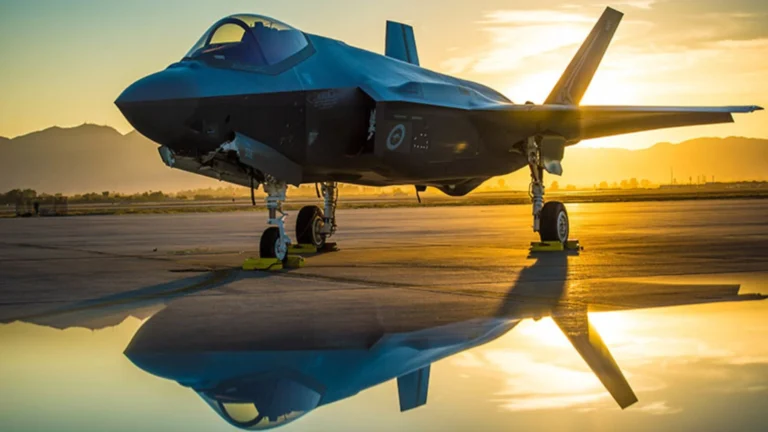
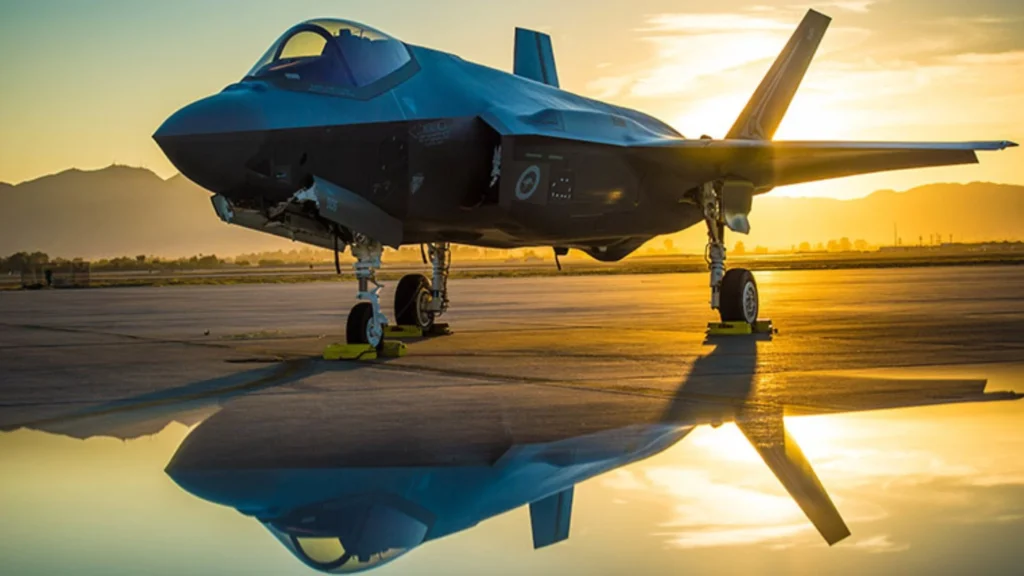
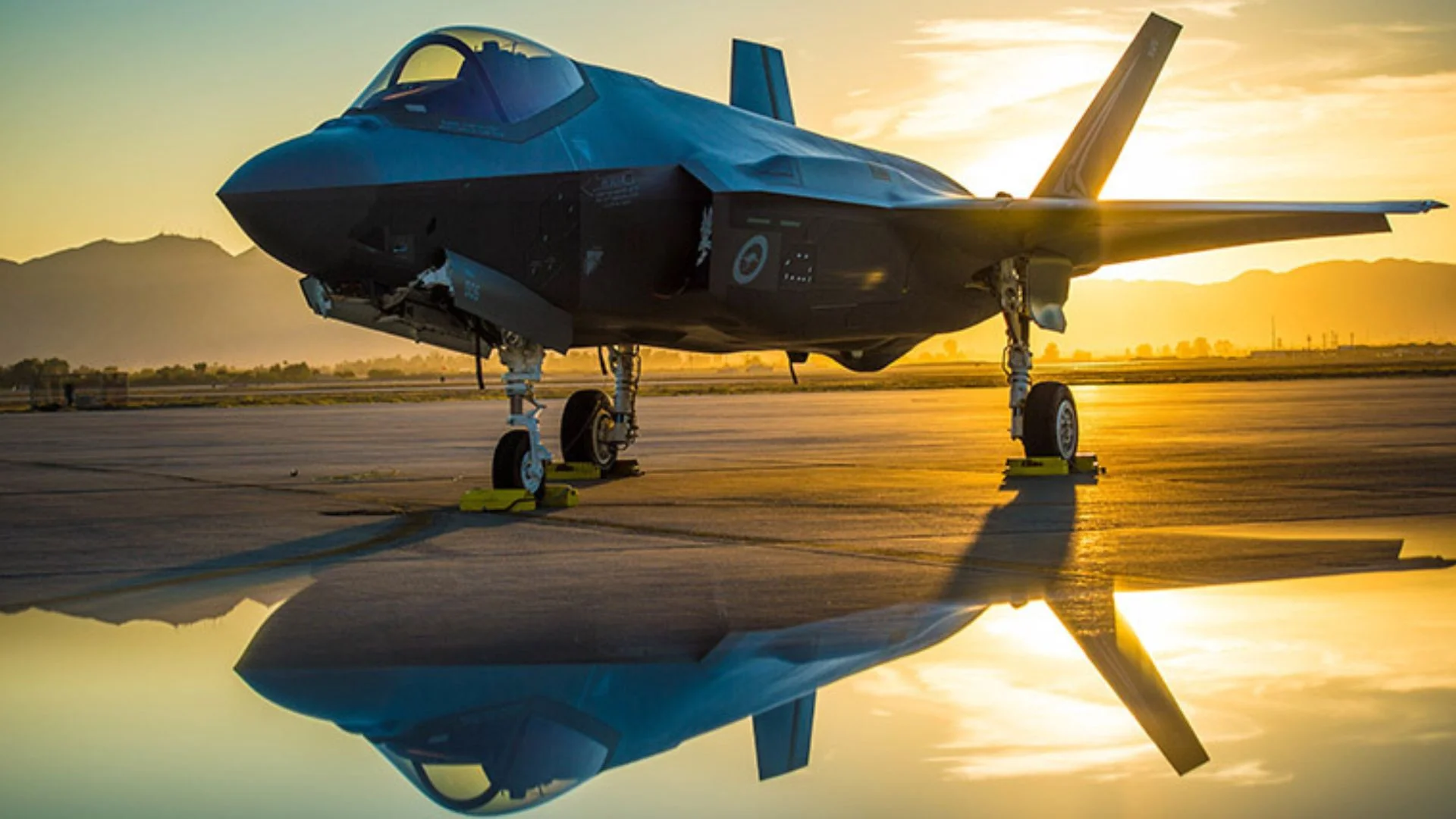
One such example quickly captured global attention. On March 14, a video tutorial explaining how to take down the advanced American stealth fighter, the F-35, went viral.
The video was created by a social media account called “Laohu Talks World” and included Persian subtitles, suggesting it was meant for Iranian viewers. The video gained tens of millions of views within days.
The creator of the video presented a step-by-step explanation of how Iran could use relatively simple and low-cost systems to challenge a highly advanced aircraft like the F-35 Lightning II.
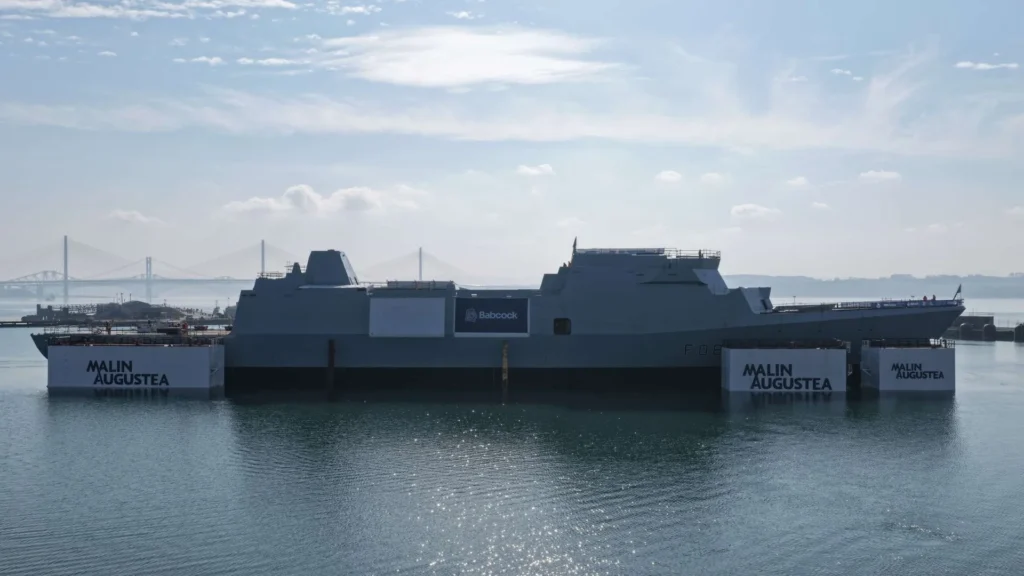
READ ALSO: HMS Active Hits Water as Royal Navy’s Type 31 Fleet at Rapid Pace
The tutorial discussed the use of infrared missiles, mobile launchers, and improvised sensor networks. It suggested that these tools, when used strategically, could help detect and target stealth aircraft that are otherwise designed to avoid radar.
The content was highly technical but delivered in a way that many viewers found accessible and engaging.
The video’s popularity grew even more after a significant claim from Iran. On March 19, just five days after the tutorial was posted, Iran announced that it had struck a US F-35.
There is no confirmed evidence linking the video to this claim. However, the timing fueled speculation and boosted the video’s worldwide visibility.
This was not an isolated case. Since the US-Israel conflict with Iran began on February 28, many similar posts have appeared online.
Individuals with backgrounds in science, technology, engineering, and mathematics (STEM) have been actively sharing detailed insights into the military online. Their contributions range from mapping US military base locations across the region to suggesting possible missile strategies targeting aircraft carriers in the Persian Gulf.
WATCH ALSO: U.S. lab advances demo microreactor as Project Pele gets nuclear fuel
Some have even gone further by simulating defense scenarios for potential attacks, including strategic responses for sensitive locations such as Kharg Island in Iran.
Some of these creators appear to have deep technical knowledge, raising questions about the line between civilian analysis and professional expertise.
China’s large STEM workforce plays a key role in this phenomenon. The country produces around five million STEM graduates every year. Among them, about 1.3 million are engineers. This number is far higher than in the US, where roughly 130,000 engineers are produced annually.
Within this vast pool, a segment of individuals is now applying its analytical skills to open-source military discussions online. According to a source familiar with the creator of “Laohu Talks World,” the motivation behind these efforts is largely personal.
“He is not short of money now. He makes videos just for fun,” the source said.
The creator reportedly studied at Northwestern Polytechnical University in Xi’an. The institution is known for its focus on defense research and has been under US sanctions since 2001. Washington has claimed that the university has links to military technology development, including drones.
The source added, “Many of his classmates are working in the military and equipment industries.”
READ ALSO: 32.76% Solar Efficiency Achieved: The Tiny Molecule Changing Tandem Cells
The ongoing conflict has also triggered emotional responses among many Chinese citizens. Reports from Tehran and human rights groups indicate that more than 1,000 civilians in Iran have died during recent military operations. One particularly tragic strike in the southern city of Minab reportedly killed at least 168 schoolchildren.
Such incidents have led to anger and sympathy, motivating some individuals to support Iran through their knowledge and analysis. Experts see this as part of a broader shift. Military-related knowledge is no longer limited to governments and official institutions.
Instead, civilians are using open-source intelligence, technical skills, and digital platforms to share insights across borders. This decentralized flow of information is reshaping how military analysis is created and consumed.
However, there is no clear evidence that these online discussions have directly influenced real-world military actions. Iran’s embassy in China has not responded to requests for comment on this trend. The growing volume of such content highlights a new dimension of modern conflict where digital platforms, civilian expertise, and global audiences intersect in unexpected ways.