Fresh allegations from Iran have triggered intense debate over a possible new tactic in modern warfare: the use of air-dropped mines to disrupt missile operations.
According to Iran’s state-linked Tasnim News Agency, explosive devices resembling everyday objects were scattered near a sensitive missile facility in the southern outskirts of Shiraz. The report claimed these devices caused multiple casualties after civilians unknowingly handled them.
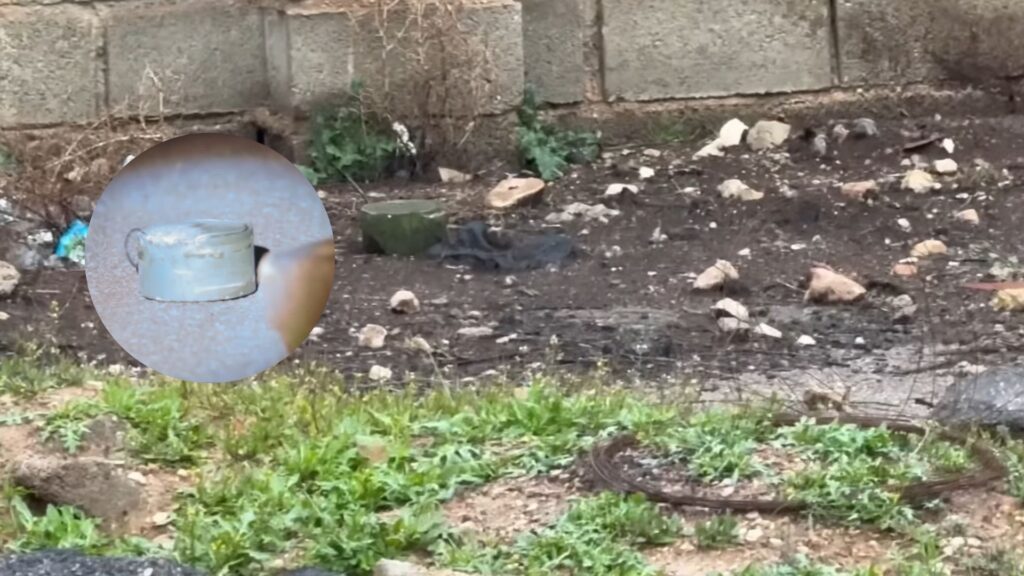
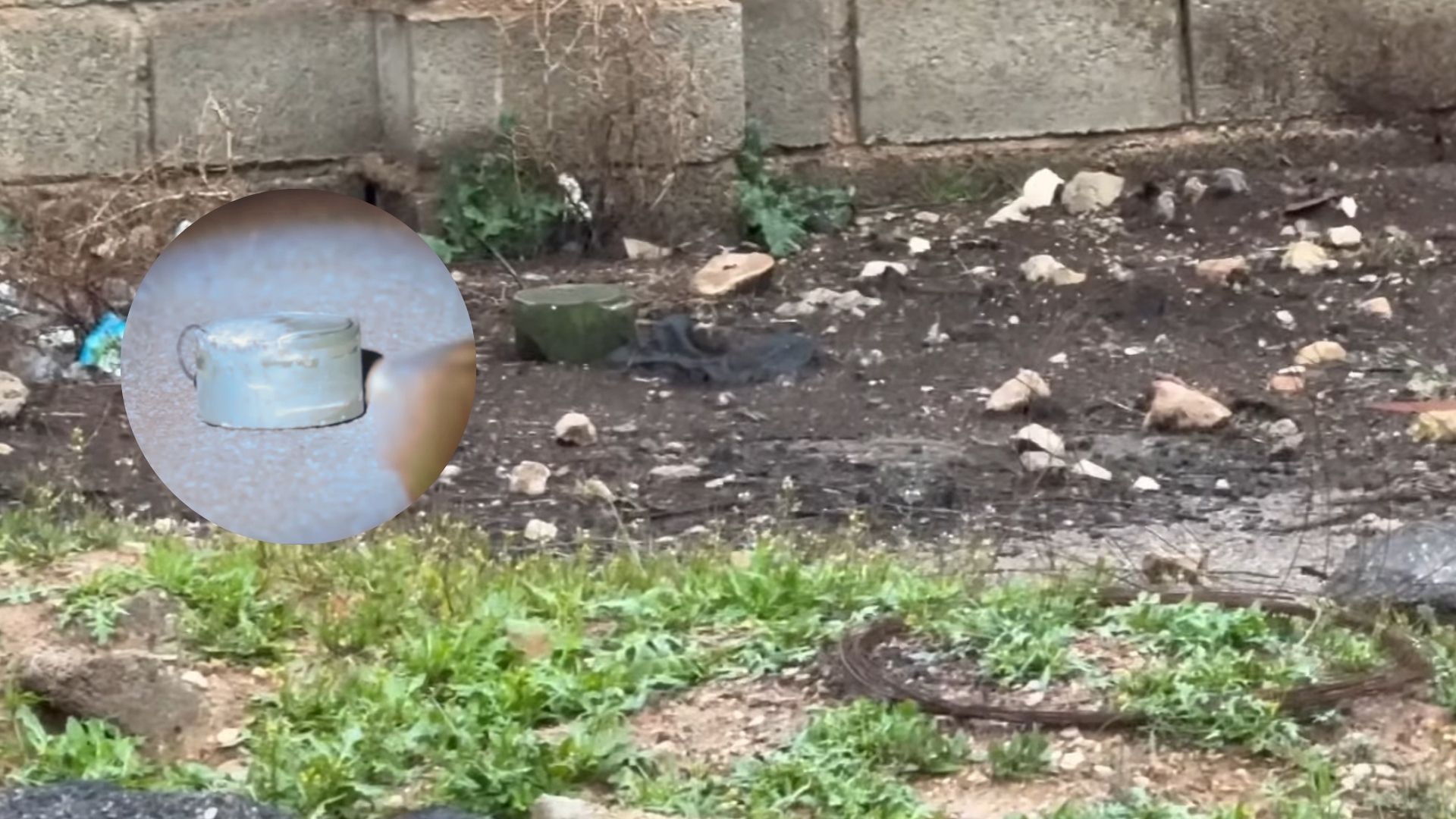
“These explosive packages look like canned food and detonate when opened,” Tasnim said in a Telegram post, adding that they were dropped over villages near the suspected missile base.
The claims remain unverified. However, the images shared alongside the reports have drawn attention from analysts and open-source investigators worldwide.
Evidence, Doubts, and Strategic Implications
Investigators from Bellingcat examined the visuals and videos circulating online. They said some footage appears to show BLU-91/B scatterable anti-tank mines.
READ ALSO: From Butterflies to Eagles: China’s New Drones Are Changing Aerial Tech Fast
Bellingcat stated that it geolocated certain images to areas near a known Iranian “missile city” near Shiraz. In one case, a video showed at least three mines roughly two kilometers from the facility’s entrance.
“The US is the only known operator of these specific mines,” Bellingcat noted, citing data from the Stockholm International Peace Research Institute. According to their review, there is no record of these mines being transferred to other regional actors. Still, uncertainty remains.
Experts caution that the devices’ origin cannot be independently confirmed. There is also a possibility of replicas or staged placement for propaganda purposes. Iran has not provided conclusive proof linking the mines directly to the US.
Meanwhile, US Central Command has declined to comment on whether such weapons are being used in the ongoing campaign known as “Operation Epic Fury.”
Why Mines Could Fit Into Modern Warfare
Despite repeated airstrikes, Iran continues to launch missiles across the Middle East. Analysts say this is partly because of its network of underground missile facilities, often called missile cities. These bases are designed for survival.
Launchers can move in and out of tunnels quickly. Even when entrances are bombed, Iran has shown the ability to reopen or bypass damaged access points. This makes it difficult for airstrikes alone to fully stop missile operations. That is where scatterable mines could come in.
WATCH ALSO: Hyundai’s Atlas humanoid robot wins top honor for its advanced design and capabilities
Air-dropped anti-tank mines like the BLU-91/B are designed to disable heavy vehicles and can significantly disrupt operations if deployed around missile launch zones. By scattering across targeted areas, they can block key roads and access routes, making it difficult for transport and support vehicles to move freely.
These mines also have the potential to damage or destroy mobile missile launchers, reducing their ability to reposition and fire. In addition, they can restrict movement within and around sensitive facilities, forcing operators to slow down or reroute activities.
Over time, their presence can even delay repair work on damaged tunnel entrances, as crews must first clear the area before beginning restoration efforts.
In simple terms, these mines can turn large operational zones into dangerous no-go areas for military vehicles. Such an area-denial strategy could significantly slow missile launches without requiring constant airstrikes.
The Gator System and Its Capabilities
The BLU-91/B belongs to the Gator family of scatterable mines. These are typically deployed using air-dropped dispensers that open mid-air and spread dozens of mines across a targeted area.
These systems can be used by multiple aircraft, including fighter jets and bombers.
Each mine can be programmed to self-destruct after a set time, usually four hours, 48 hours, or up to 15 days. However, like all munitions, they do not always function perfectly. Some may fail to detonate, leaving behind unexploded hazards.
READ ALSO: NVIDIA Vera Rubin POD Unites 7 Chips, 5 Racks Into One AI Supercomputer
Interestingly, the images circulating from Iran appear to show only BLU-91 anti-tank mines. There is no clear evidence of BLU-92 anti-personnel mines, which are typically deployed alongside them and feature tripwire mechanisms. This distinction matters.
While the US has not signed the Ottawa Convention banning anti-personnel landmines, it has policies restricting their use. Anti-tank mines, however, are not subject to the same limitations.
Civilian Risks and Strategic Trade-offs
The reported incidents highlight a serious humanitarian concern. Even if mines are intended for military use, they can pose risks to civilians, especially when scattered near villages or rural areas. Objects that resemble harmless items can easily be picked up, leading to accidental explosions.
That said, analysts argue that missile facilities are usually located in restricted zones far from urban centers. If mines are placed within controlled military perimeters, the risk to civilians could be lower compared to indiscriminate deployment.
Still, the situation in Shiraz suggests that boundaries may not always be clear in practice.
WATCH ALSO: Boston Dynamics Atlas humanoid robot demonstrates remarkable mobility, balance
At this stage, the story remains clouded by uncertainty. There is no confirmed evidence that the US deployed these mines. At the same time, the strategic logic behind such a move is difficult to ignore.
If true, it would signal a shift toward more indirect methods of warfare, targeting mobility and logistics rather than relying only on direct strikes.
It could also mark the return of a weapon system not widely used since the 1991 Gulf War. Whether this is an isolated incident or part of a broader campaign remains to be seen. As the conflict continues, the focus may increasingly shift to tactics that quietly disrupt rather than visibly destroy.
The mystery of the mines near Shiraz raises one key question: Is this the beginning of a new phase in modern military strategy or just another layer of information warfare?