In a significant step for nuclear energy, the US Department of Energy has successfully demonstrated how artificial intelligence can streamline and accelerate the nuclear regulatory process.
The project, carried out with Idaho National Laboratory, Argonne National Laboratory, Microsoft, and Everstar, demonstrates how advanced AI tools can transform the preparation of nuclear reactor licensing documents.
The test focused on converting a complex safety analysis document into a format required by the US Nuclear Regulatory Commission for commercial reactor licensing.
This process, which usually takes weeks, was completed in just one day. The outcome signals a major shift. AI is no longer just supporting nuclear science; it is beginning to reshape how the industry handles regulation and compliance.
READ ALSO: Lenovo’s 1000Wh Battery Reveal Signals More Than Just Better Battery Life
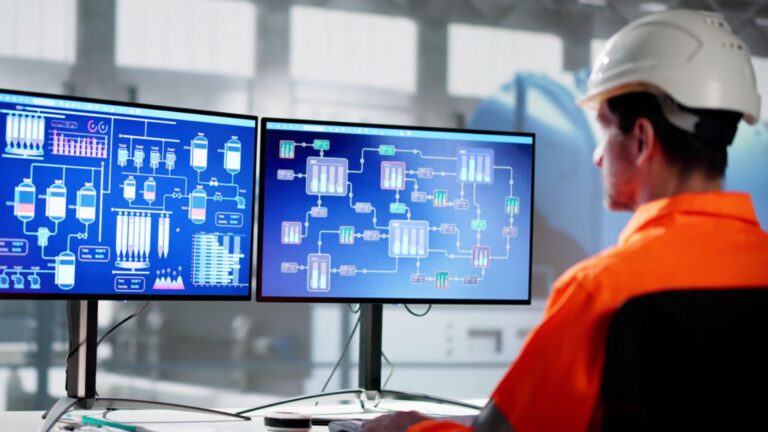
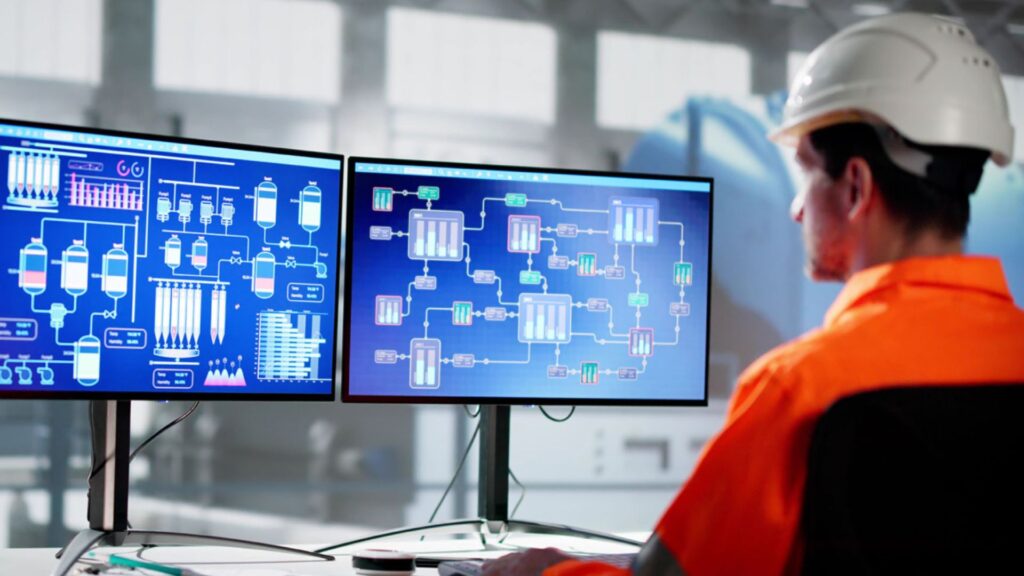
At the center of this breakthrough is Everstar’s Gordian AI system, built on Microsoft Azure. The tool was used to convert a technical safety report for a high-temperature gas reactor into a structured licensing document. The result was a detailed 208-page file generated within 24 hours.
Traditionally, such work requires teams of experts spending four to six weeks reviewing, editing, and formatting documents.
Gordian did more than just speed up the process. It also identified missing data, incomplete sections, and areas that needed further clarification; tasks that usually demand careful human review.
The system works differently from standard AI tools. It uses engineering logic, physics-based models, and semantic mapping to ensure the output is calculated and verified rather than guessed.
Despite its speed, human oversight remains central. Experts reviewed the AI-generated document for accuracy, consistency, and technical quality.
WATCH ALSO: Called Ascentia, the platform is developed by American company Collins Aerospace
The document showed depth, clarity, and structure, while also highlighting gaps where more data was needed.
Rian Bahran, a senior official at DOE, said the moment calls for bold action. He stated that AI-driven tools can transform how nuclear energy projects move from planning to deployment while maintaining strict safety standards.
Everstar CEO Kevin Kong said nuclear energy is ready to address global energy challenges. He added that partnerships like this can help accelerate both regulatory review and real-world deployment.
Microsoft’s Carmen Krueger emphasized that secure, scalable AI systems are now playing a key role in addressing national energy challenges and supporting long-term innovation goals.
Faster Nuclear Licensing, Stronger Future
Nuclear licensing has long been known for its complexity and slow pace. It involves multiple rounds of reviews, revisions, and detailed documentation checks.
This process can stretch over years, delaying the deployment of new reactors. AI is beginning to change that reality.
READ ALSO: XM8 Is Back: US Army’s New 6.8mm Carbine Aims to Redefine Modern Combat
Earlier collaborations between INL and Microsoft showed that AI models can also generate engineering and safety reports, another critical part of nuclear applications.
A recent study linked to the National Reactor Innovation Center suggests that AI could cut both document preparation time and regulatory review cycles by up to 50 percent. At the same time, it may improve accuracy, consistency, and traceability in nuclear safety.
Still, experts are clear that AI will not replace human judgment. The emerging model is simple: experts design the system, AI speeds up the work, and experts validate the results. This balance ensures that safety and compliance remain uncompromised.
The next phase of this effort will focus on validation and trust.
AI-generated documents will be tested against NRC standards to ensure they are ready for official submission. A benchmarking system is also being developed to measure the AI’s performance and reliability.
READ ALSO: China Robot Learns Tennis From Amateur Moves, Returns Shots With 96.5% Accuracy
Meanwhile, INL is developing its own AI tools, including applications for fuel production facilities.
The initiative is part of a broader national push under the Genesis Mission to accelerate scientific innovation through AI. The DOE has already committed significant funding to tackle major technology challenges, including faster nuclear deployment.
AI is not just improving efficiency; it is redefining how nuclear energy moves from idea to reality.