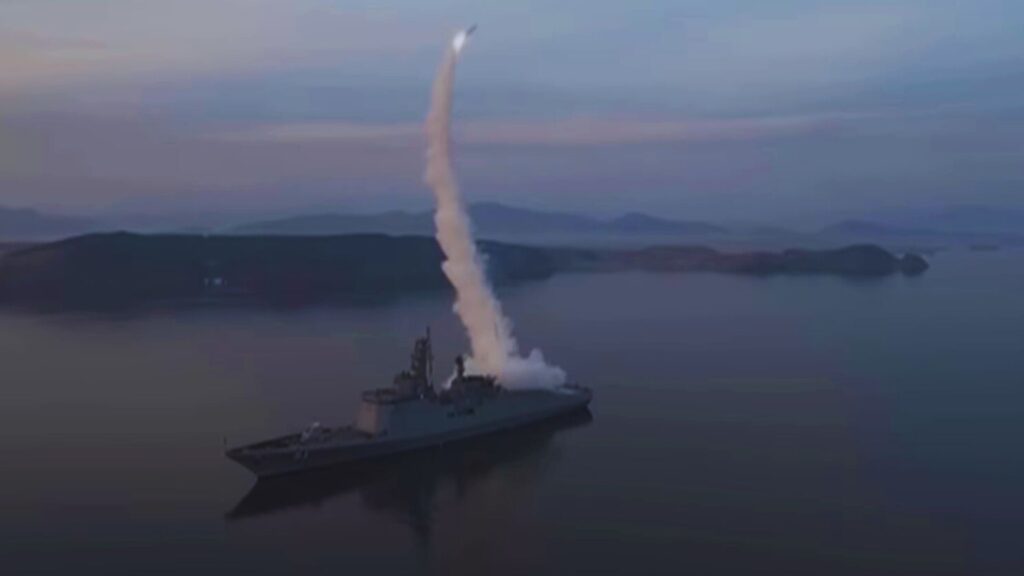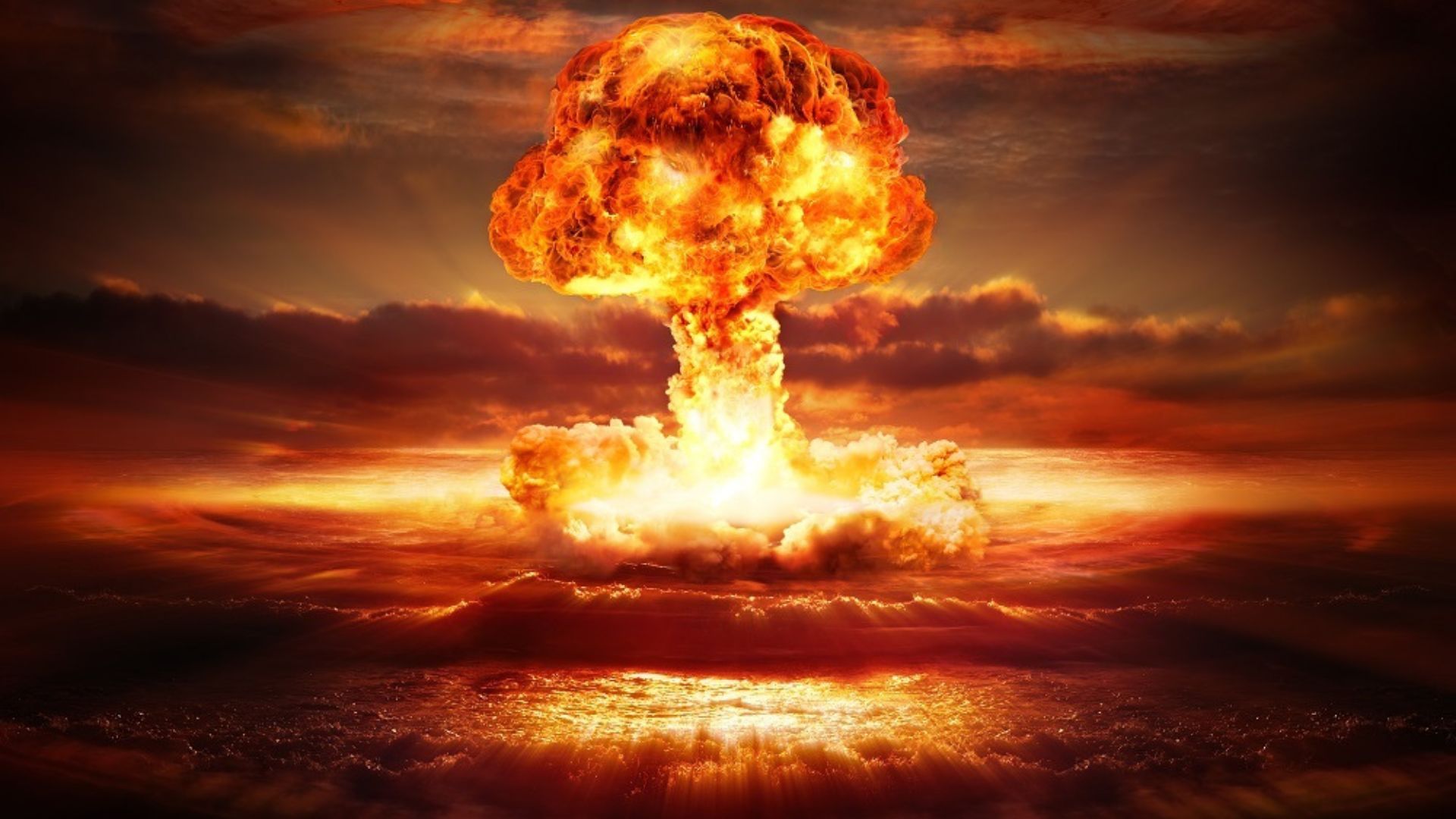
Concerns about nuclear security are rising again after reports highlighted that the US has six nuclear warheads that remain missing following decades of military accidents known as ‘Broken Arrow’ incidents.
A Broken Arrow is a military term used for an accident involving nuclear weapons. This can include the loss of a nuclear bomb, accidental damage, or unintended detonation. According to historical records, the US has experienced 32 such incidents, and six nuclear weapons have never been recovered.
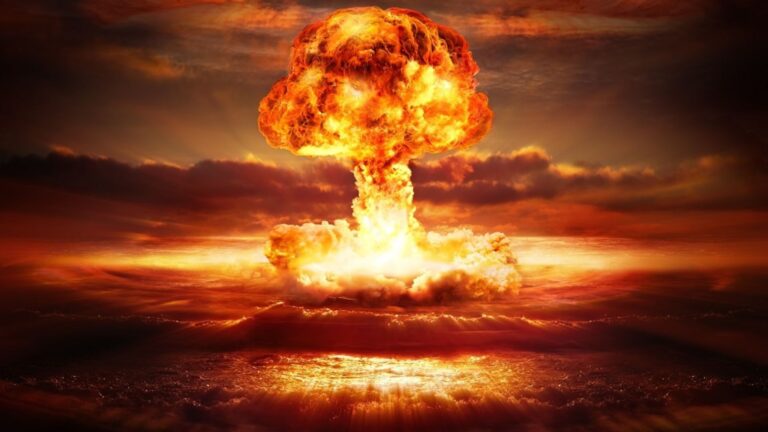
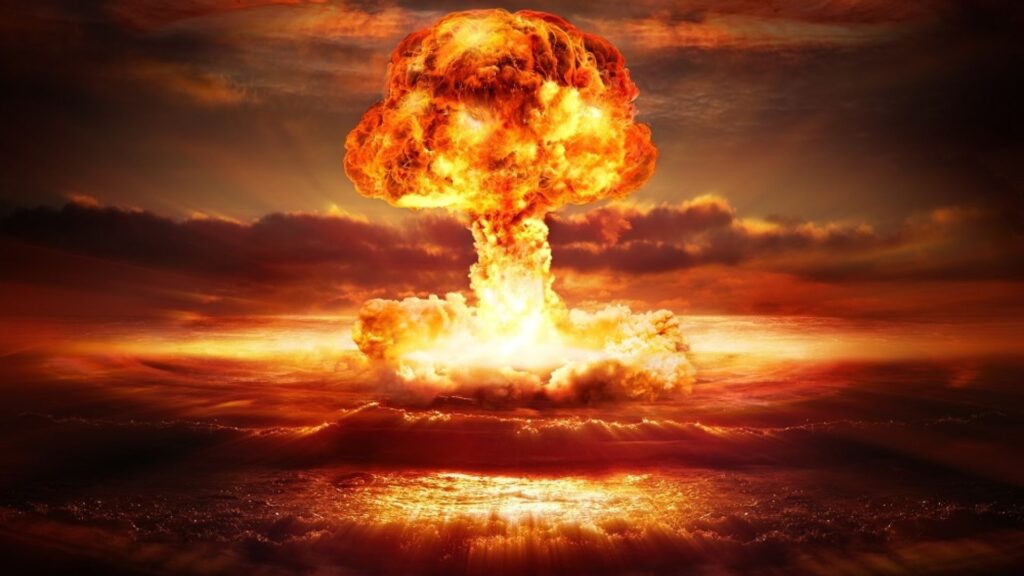
Each of these weapons has the potential to cause massive destruction. A single thermonuclear bomb could destroy an entire city and kill millions of people if it were ever detonated.
The issue has gained renewed attention as tensions in the Middle East increase and discussions about nuclear weapons and security return to global headlines.
The Tybee Island Nuclear Bomb Incident
One of the most well-known cases occurred in 1958 near Tybee Island, Georgia.
A B-47 bomber from the US Air Force was carrying a Mark 15 hydrogen bomb during a training mission when it collided mid-air with an F-86 fighter jet.
The collision severely damaged the aircraft. The fighter jet’s wing was torn off, forcing the pilot to eject. The bomber also suffered heavy damage.
READ ALSO: University of Pennsylvania Trains Tiny Robots to Swim Mazes Using Light
Fearing the possibility of an explosion during landing, the bomber’s pilot decided to release the nuclear weapon into the sea near Wassaw Sound, close to Tybee Island.
The bomb weighed around 7,600 pounds and had a powerful explosive capability. The Mark 15 hydrogen bomb had a yield of 3.8 megatons, which is roughly 190 times more powerful than the ‘Fat Man’ atomic bomb dropped on Nagasaki during World War II.
Following the incident, the US Navy launched a massive search operation. More than 100 personnel used sonar equipment to scan the ocean floor for the missing bomb.
Despite a two-month search effort, the weapon was never found.
Initially, the US Air Force told the public that the bomb’s plutonium core had been removed before the flight and replaced with a lead substitute.
However, decades later, documents released in 1994 from a 1966 Congressional testimony revealed a different story. The records suggested that the Tybee bomb was actually a complete nuclear weapon when it was dropped. To this day, the bomb remains missing.
The Mediterranean Nuclear Bomb Accident
Another major Broken Arrow incident occurred in 1966 over the Mediterranean Sea. Two US military aircraft collided mid-air while carrying four B-28 thermonuclear bombs. The crash scattered the weapons across land and sea.
WATCH ALSO: Two humanoid robots hold unscripted conversation for hours
Three of the bombs were eventually recovered on land in Spain, but one bomb fell into the Mediterranean Sea and has never been located.
A Spanish shrimp fisherman reportedly saw a white package falling from the sky, which investigators later believed was one of the nuclear bombs. Despite extensive search efforts, the weapon’s warhead has never been recovered.
Although decades have passed since these accidents, the missing weapons continue to raise questions about long-term nuclear safety and global security.
Security experts say the chances of these bombs being used today are extremely low, but their disappearance still represents a serious concern.
Global security expert Jeffrey Lewis explained the risks of nuclear technology spreading in unstable regions.
“If the strike does not succeed in removing a regime, there remain thousands of people in Iran capable of reconstituting a programme like this,” Lewis said.
READ ALSO: Hacker Flies to China to Modify $3K Samsung Foldable Phone; You Won’t Believe How
He added that the knowledge needed to build nuclear weapons is not new.
“The technology itself is decades old, and a vengeful Iran is likely to reach the same conclusion that North Korea reached, that it’s a dangerous world with the United States, and it’s better to go nuclear,” Lewis said.
A Lingering Nuclear Mystery
The US maintains that if it cannot locate the missing bombs after decades of searches, it is unlikely that adversaries would find them either.
However, the existence of six unaccounted-for nuclear weapons continues to fuel debate among analysts and historians. For many experts, these lost bombs remain one of the most unsettling reminders of the risks associated with nuclear weapons during the Cold War era.