In a recent Request for Information (RFI), the US Army asked industry partners to suggest sled or pallet-mounted air defense systems.
The US Army is exploring a new way to protect its light infantry forces. These troops often move fast and cannot carry heavy air defense systems.
To solve this problem, the Army is eyeing compact and mobile solutions. These systems should be lightweight, flexible, and easy to transport during missions such as airborne attack.
The Army wants these systems to support Joint Forced Entry (JFE) operations. These include missions in which troops are dropped into combat zones by aircraft such as the C-130. The system must be air-droppable, transportable, and easy to deploy.
READ ALSO: Red-Light Therapy Is Exploding: The Surprising Science Behind It and How It Really Works
The Army wants an air defense capability to support dismounted maneuver and light mounted operations while remaining C-130 transportable.
A Shift Toward Modular and Mobile Systems
The new plan marks a shift in how the Army thinks about air defense. Earlier efforts focused on mounting systems on larger vehicles, such as the Joint Light Tactical Vehicle. Now, the Army wants something more flexible.
The new concept is called Maneuver-Short Range Air Defense Increment 4. It will use a Self-Loading Equipment Dock, or SLED, which can carry different weapons and sensors.
This SLED can be mounted on various platforms. These include the Infantry Squad Vehicle and even unmanned systems like the Robotic Combat Vehicle. The idea is to make one system work across multiple platforms.
Importantly, the Army wants the system to function independently. Officials stated, “The SLED may be carried by the vehicle, but it must maintain independent functionality.” This means the vehicle can return to normal use after the system is removed.
WATCH ALSO: Humanoid robot plays table tennis like human beings
The Army also stressed the need for modular design. It wants systems that can be easily upgraded or changed. This approach will help manage size, weight, and power constraints.
SLED: Designed to Counter Drones and Air Threats
The new air defense system will focus on modern threats. These include small and medium drones, as well as helicopters and aircraft providing close support to enemy forces.
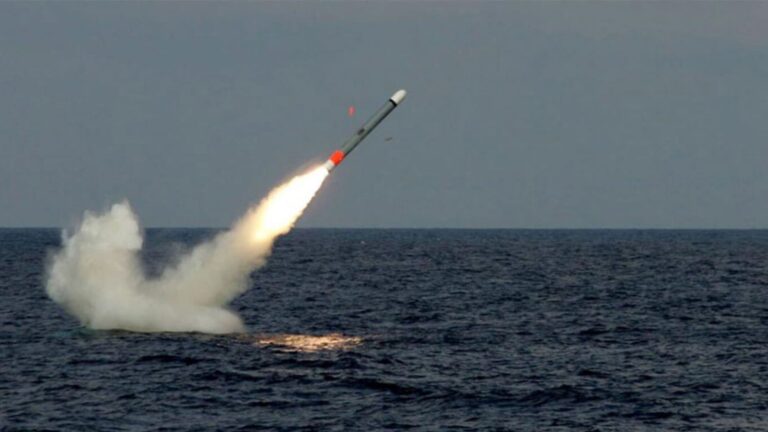
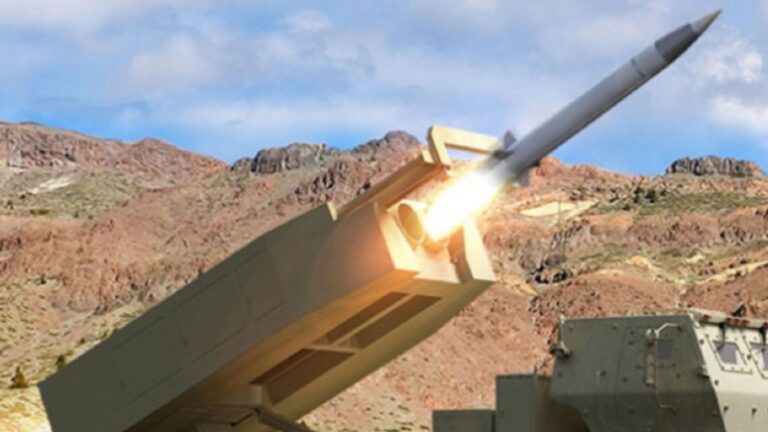
To counter these threats, the Army is considering a mix of weapons. These include missiles such as the Stinger and the Next Generation Short Range Interceptor. Other options include precision rockets, a 30mm cannon, and machine guns.
In addition to weapons, the system will include electronic warfare tools and advanced sensors. These will help detect and track threats in real time.
READ ALSO: NVIDIA Vera Rubin POD Unites 7 Chips, 5 Racks Into One AI Supercomputer
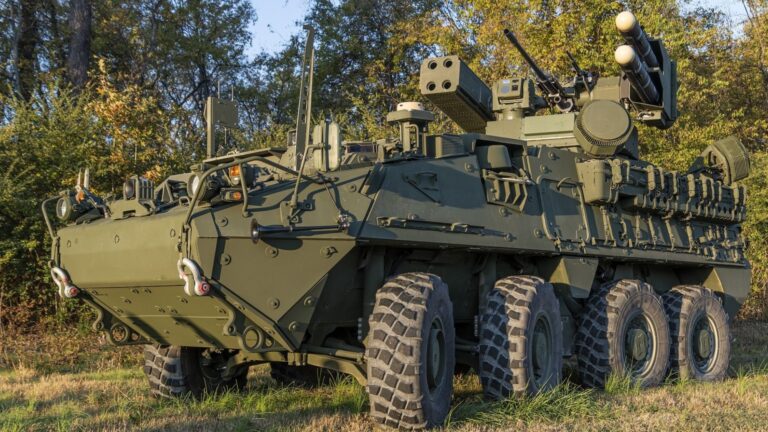
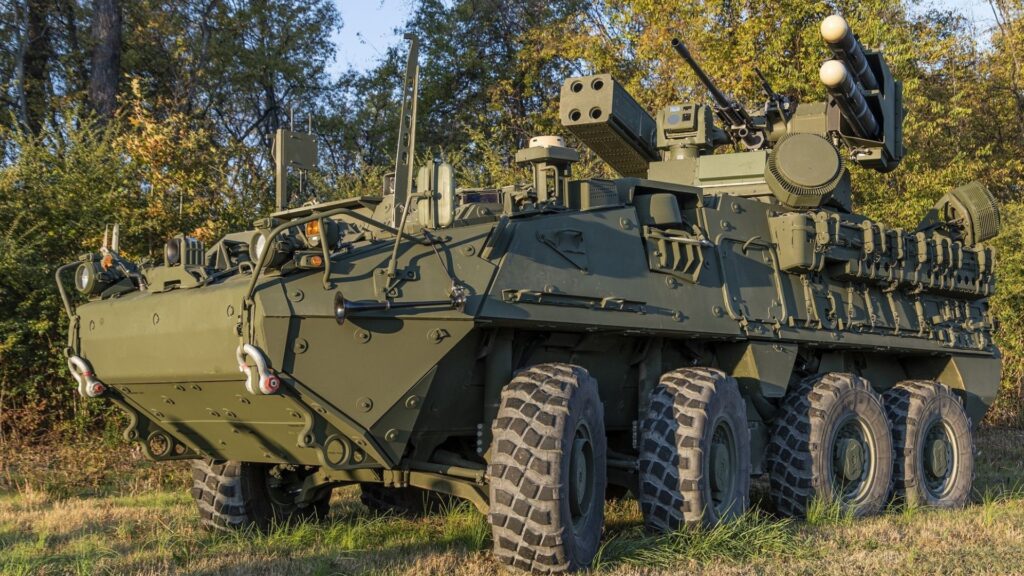
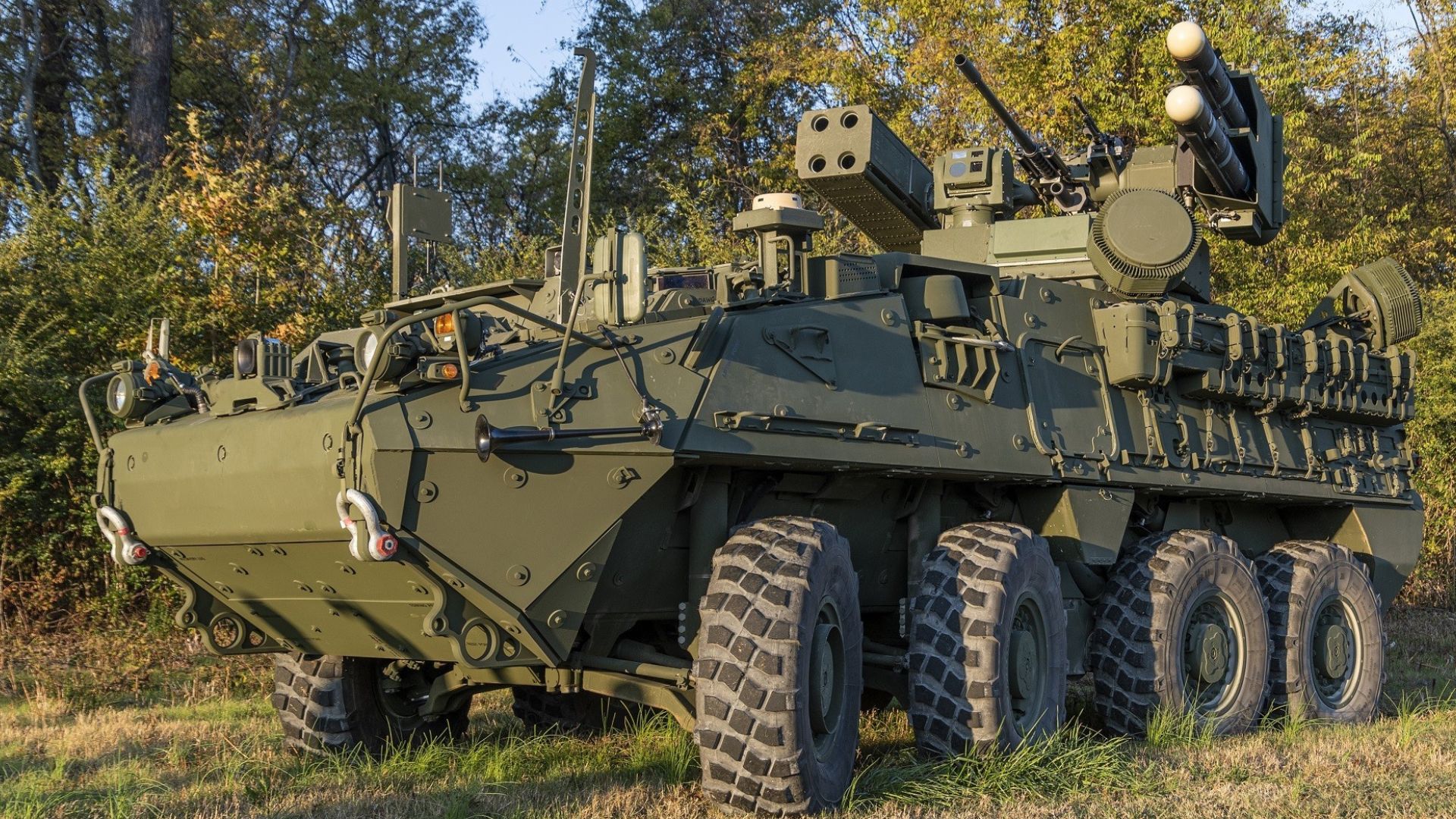
The Army is also working on other versions of short-range air defense. Earlier versions included systems mounted on Stryker vehicles. Some used missiles and cannons, while others explored laser-based weapons.
However, Increment 4 focuses on lighter, more mobile solutions. These are designed to move with infantry units and provide protection without slowing them down.
The Army aims to field this new system between 2027 and 2029. To speed up the process, it plans to use existing technologies wherever possible.
Officials said they will rely on proven components with high technology readiness levels. At the same time, they want to keep the system open for future upgrades.
WATCH ALSO: Apple launches iPhone 17 lineup with contoured edges, and thinner borders
The Army stated it will leverage existing programs and compete for future capabilities to improve the system over time.
This approach reflects a broader shift in military planning. Modern battlefields demand faster, lighter, and smarter systems. The sled-mounted air defense concept could become a key part of that future.
As threats from drones and low-flying aircraft continue to grow, the Army’s search for flexible defense solutions is becoming more urgent.