Cornell University researchers have unlocked a new frontier in additive manufacturing: 3D-printing concrete structures underwater. With a one-year, $1.4 million grant from DARPA, the team is developing a method to fabricate maritime infrastructure on-site, using material primarily sourced from the seafloor sediment itself, promising a revolution in how we build and repair in the ocean.
Imagine repairing a damaged pier or constructing a seabed habitat without dredging, without shipping tons of pre-formed concrete, and with minimal environmental disruption. This is the future envisioned by Sriramya Nair, assistant professor of civil and environmental engineering at Cornell, who leads a dynamic interdisciplinary team. “We want to be constructing without being disruptive,” said Nair. “If you have a remotely operated underwater vehicle that shows up on site with minimal disturbance to the ocean, then there is a way to build smarter and not continue the same practices that we do on the land.”
The challenge, part of a DARPA (Defense Advanced Research Projects Agency) competition, is as formidable as the ocean environment itself. The agency’s call demanded a printable concrete that could be deposited at depth, set within a radically short timeline, and contain a high percentage of local seafloor material to avoid the logistics of transporting cement by ship. “When the call for proposals came out, we said, ‘Hey, let’s just do this and see,’” Nair recalled. Her group, already experienced with a roughly 6,000-pound industrial robot for large-scale printing, discovered they could adapt their process for the aquatic world.
READ ALSO: https://modernmechanics24.com/post/nlr-blip-energy-smart-home-battery/
The core technical hurdle is preventing “washout,” where cement particles fail to bind and are washed away by water during deposition. The typical solution involves anti-washout chemicals, but these create a new problem. “When you add those chemicals, it makes your mixture really viscous, and you can’t pump it,” Nair explained, highlighting the delicate balance between pumpability, shape retention, and inter-layer bonding. The Cornell team’s major breakthrough, demonstrated to DARPA officials in September, was nearing the agency’s high target for using actual seafloor sediment. “Nobody is doing this right now,” Nair stated. “Nobody takes seafloor sediment and prints with it. This is opening up a lot of opportunities for reimagining what concrete could look like.”
Tackling this complexity required a coalition of experts. Nair assembled a team including Nils Napp, assistant professor of electrical and computer engineering, and Jenny Sabin, the Arthur L. and Isabel B. Weisenberger Professor in Architecture, among others from Cornell and partner universities. Their work splits into two parallel tracks: material design and autonomous fabrication. While the materials team perfects the sediment-rich “ink,” the fabrication team, led by Napp, is solving the problem of zero-visibility printing. “The problem is sediment is super fine, and as soon as you stir it up, you can have zero visibility,” said Napp. His group is developing a multi-sensor control system to guide the robot arm in murky conditions, a critical step toward real-world, diver-free operation.
WATCH ALSO: https://modernmechanics24.com/post/rolls-royce-test-methanol-marine-engine-2/
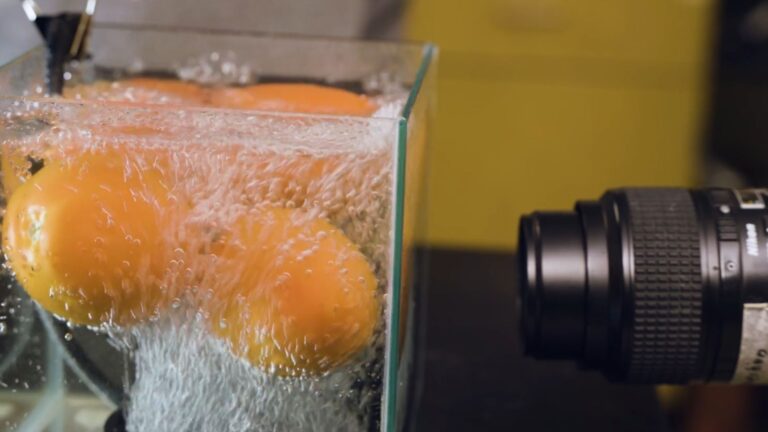
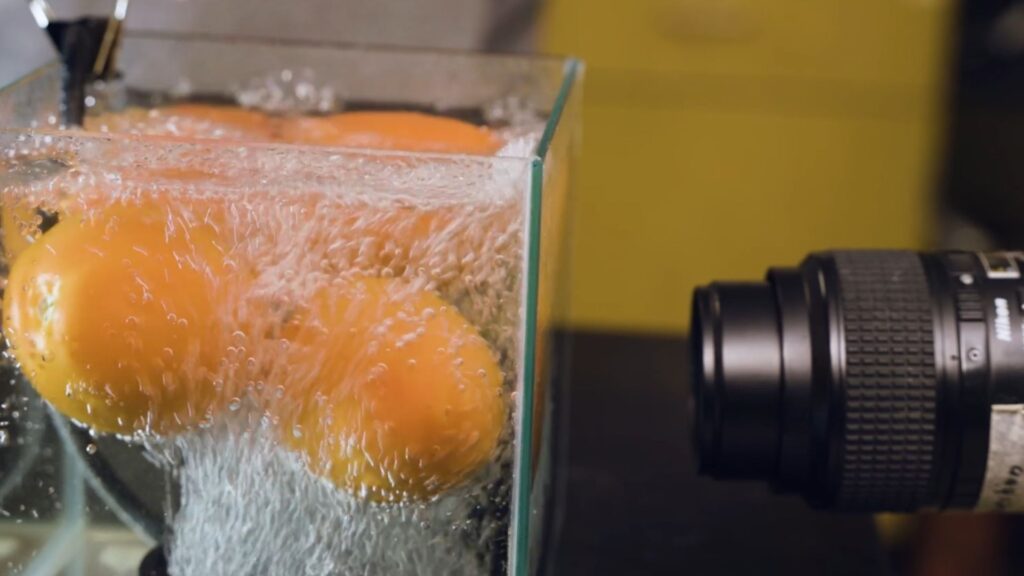
The project is racing toward a high-stakes milestone: a head-to-head demonstration in March where teams must 3D-print an arch structure underwater. The Cornell team has been conducting relentless test prints in a large water tank in the Bovay Civil Infrastructure Laboratory Complex, analyzing each sample’s strength and shape. The pace is intense, but it fuels progress. “It’s a pretty ambitious timeline, and it’s cool to see so many different areas of expertise coming together quickly and pushing this forward,” Napp noted.
This isn’t just about winning a competition; it’s about laying a new foundation for maritime engineering. Success could lead to autonomous systems that silently repair undersea cables, construct coastal protection, or establish research bases, all while using the ocean’s own floor as a primary building resource. By bringing the factory to the seafloor, Cornell’s engineers are not just printing concrete—they’re drafting a blueprint for a more resilient and less intrusive future.
READ ALSO: https://modernmechanics24.com/post/heat-proof-drone-change-firefighting/