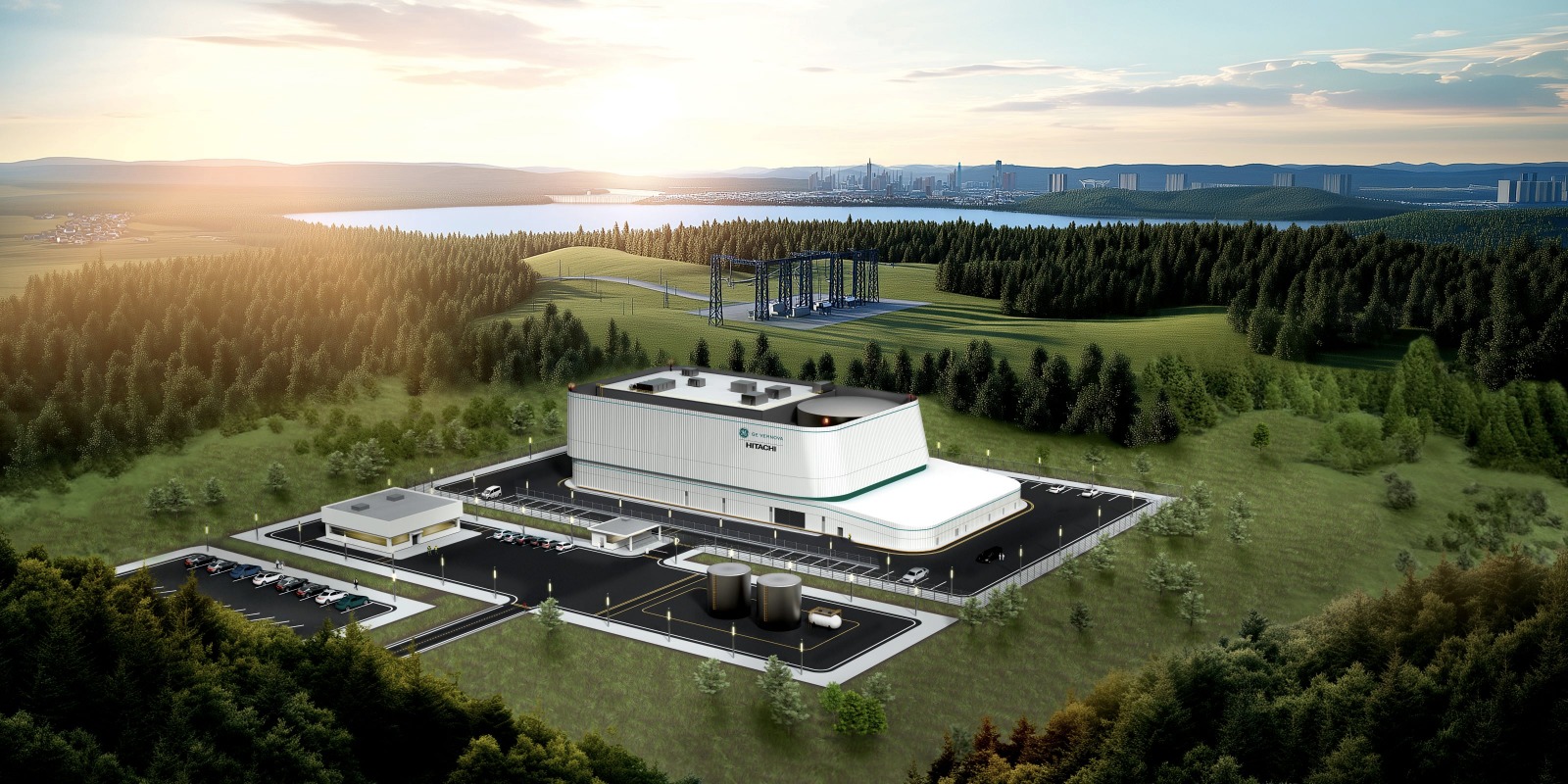
GE Vernova Hitachi Nuclear Energy (GVH) has announced its BWRX-300 small modular reactor (SMR) design has successfully completed Step 2 of the UK’s Generic Design Assessment (GDA), with regulators finding no fundamental safety or environmental shortfalls. This marks the fastest progress through the initial GDA phases by any reactor vendor, building on construction already underway in Canada.
In the global race to deploy next-generation nuclear power, a key hurdle isn’t just engineering—it’s regulation. Gaining regulatory approval is a marathon, often taking years. That’s why a recent announcement from the United Kingdom is turning heads: a new reactor design has just sprinted through a major checkpoint faster than any of its competitors, signaling it might be the first to reach the commercial finish line.
READ ALSO: https://modernmechanics24.com/post/china-j36-fast-track-sixth-gen-jet-race/
The design in question is the BWRX-300, a small modular reactor (SMR) developed by GE Vernova Hitachi Nuclear Energy (GVH). The UK’s independent regulators—the Office for Nuclear Regulation (ONR), the Environment Agency (EA), and Natural Resources Wales (NRW)—have jointly confirmed the completion of Step 2 of their rigorous Generic Design Assessment (GDA) process. In official statements, the ONR and EA reported that their assessment “has not identified any fundamental safety, security safeguard or environmental protection shortfalls with the design of the BWRX-300,” according to the company’s announcement.
This milestone is significant. The GDA is a thorough, multi-stage review that ensures any new nuclear reactor design meets the UK’s stringent standards before it can be built. Completing Step 2 means regulators are satisfied with the fundamental safety principles and have moved to a detailed examination of the design. “Completing Step 2 of the GDA is a significant regulatory milestone,” said Andy Champ, GVH UK Country Leader. He emphasized the speed of progress, noting, “This is the fastest that any technology provider has completed steps 1 and 2.”
This velocity isn’t happening in a vacuum. It’s being propelled by tangible, real-world progress elsewhere. Construction of the very first BWRX-300 unit is already underway at Ontario Power Generation’s (OPG) Darlington site in Canada, with a total of four units planned there. This hands-on construction experience is providing invaluable data and confidence to regulators reviewing the same design in the UK.
WATCH ALSO: https://modernmechanics24.com/post/transform-home-life-with-1x-neo-robot-1/
Global momentum is building behind this specific SMR design. In the United States, the Nuclear Regulatory Commission is reviewing an application to build a BWRX-300 for the Tennessee Valley Authority (TVA). Furthermore, the UK assessment is being closely watched and supported by international partners. Polish firm Orlen Synthos Green Energy (OSGE), which is working to deploy the reactor in Poland and Eastern Europe, co-invested in the UK GDA to benefit from the regulatory lessons learned. “Today we have taken another step towards supporting Britain with much needed affordable, clean and reliable energy,” said Rafał Kasprow, CEO of OSGE. “By completing GDA Step 2, the BWRX-300 continues to prove it is the world’s most deployment ready SMR.”
The push for SMRs like the BWRX-300 is driven by their potential to provide always-on, carbon-free power to complement renewables. Their smaller size and modular design aim to make nuclear energy more affordable and faster to deploy than traditional, gigawatt-scale plants. Major utilities like OPG, TVA, Duke Energy, and Synthos Green Energy are investing in the standardized BWRX-300 design, betting on its commercial viability.
For the UK, which has ambitions to expand nuclear power as part of its net-zero strategy, the rapid advancement of a credible SMR design is welcome news. It offers a potential pathway to new nuclear capacity in the 2030s. While several more years of detailed assessment and site-specific approvals remain, clearing this regulatory step without fundamental issues is a powerful vote of confidence. It suggests that the dream of a factory-built, globally deployable reactor is inching closer to reality, with the BWRX-300 currently leading the pack.
READ ALSO: https://modernmechanics24.com/post/new-quantum-sensing-technology-reveals-subatomic-signals/