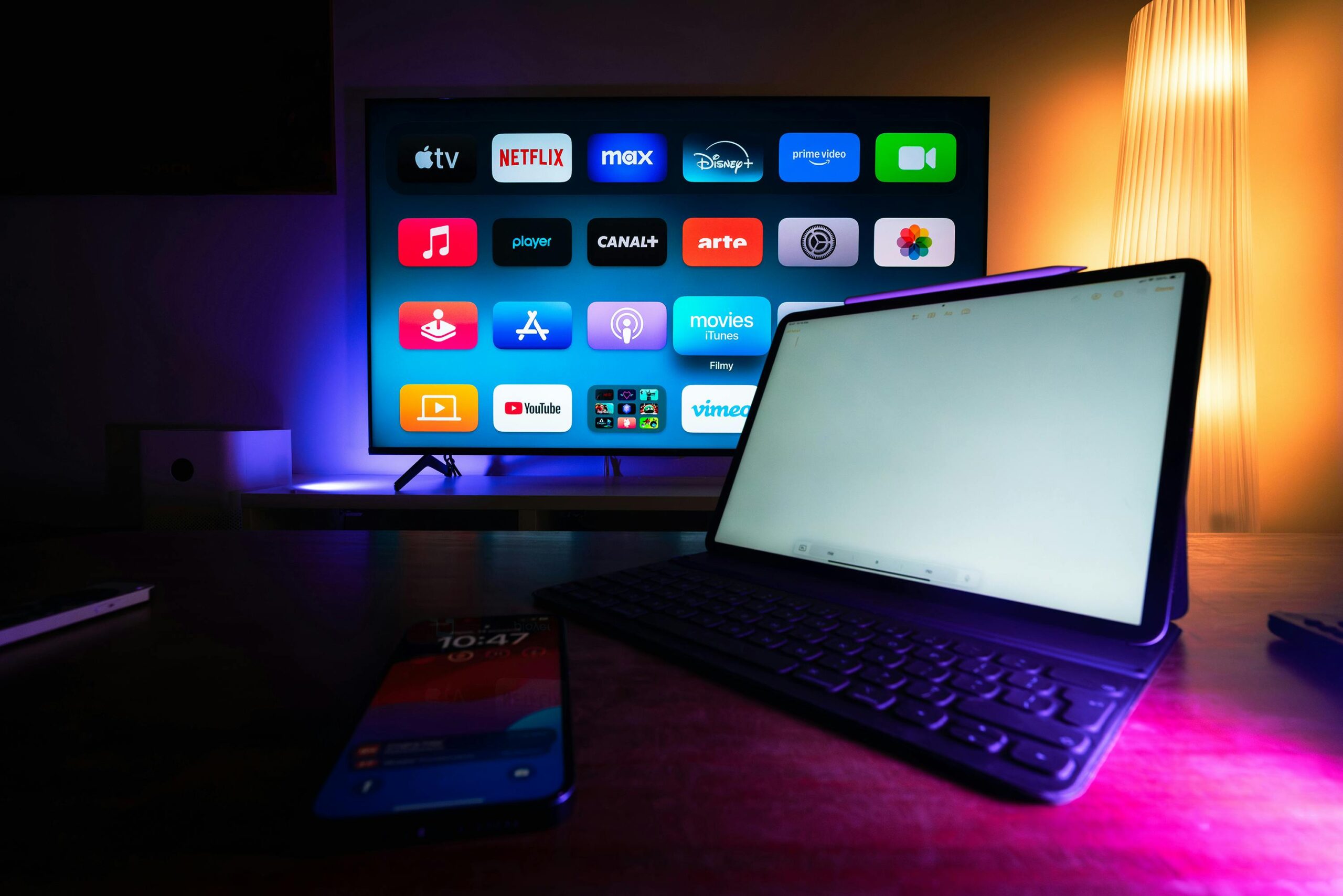
Samsung Electronics and its rivals have launched a counteroffensive against the smartphone at CES 2024 in Las Vegas, deploying massive new screens and artificial intelligence (AI) enhancements to reclaim living room dominance. This comes as data from Ampere Analysis shows TV’s share of daily viewing has plunged from 61% to 48% since 2017, while smartphone viewing has nearly doubled.
A century after television’s invention, its primacy is under siege. The battle lines are generational. “This is the battle between big screens, which are traditionally for older people who grew up around televisions, and younger people who have either a phone, tablet, or laptop,” said Patrick Horner, leader of TV research at Omdia, in a report by AFP. In trendsetting markets like China, young consumers are actively shunning large TVs. With global ownership stagnant, manufacturers’ survival strategy is clear: convince consumers to buy bigger, smarter, and more expensive sets.
The centerpiece of this strategy at CES was the infusion of AI. Moving beyond simple streaming, brands promised televisions that learn and adapt. Samsung, the market leader for 20 consecutive years, declared AI its new cornerstone. “We will embed AI across every area, every product, and every service,” stated TM Roh, CEO of Samsung’s device experience division. This AI aims to personalize content discovery, upscale picture and sound in real-time, and even allow viewers to ask questions about what’s on screen. But as Forrester principal analyst Thomas Husson cautioned to AFP, the challenge is proving these features are genuinely useful and not just marketing hype.
READ ALSO: https://modernmechanics24.com/post/uss-iwo-jima-transfers-maduro-new-york/
Alongside AI, a leap in display technology took center stage. Samsung unveiled what it called the world’s first 130-inch Micro RGB TV, showcasing a new frontier in picture quality. This Micro RGB technology allows for ultra-precise control of colors in LED displays, creating imagery with unprecedented brightness and color volume. The goal is to deliver a visual spectacle that a smartphone screen simply cannot match, making the living room TV an irreplaceable venue for premium entertainment.
However, the most significant shift might be happening behind the screen. The fight for the future of TV is increasingly between retail giants, not traditional electronics makers. “This is really a knockdown, drag-out fight between Amazon.com and Walmart,” explained Horner. The landscape changed when Walmart closed a $2.3 billion deal to buy TV maker Vizio in late 2024. This was a direct response to Amazon using its Fire TV platform and Prime Video service to turn TVs into powerful advertising and e-commerce portals.
WATCH ALSO: https://modernmechanics24.com/post/us-deadly-strike-isis-nigeria/
The new business model is now clear: hardware is merely a vehicle for ads. “Televisions are no longer about making profit from TV hardware,” Horner stated. “They’re an ad delivery device being inserted into your living room to boost e-commerce sales.” Walmart plans to leverage Vizio’s operating system to push ads for its own products to millions of living rooms, mirroring Amazon’s playbook. As Samsung, LG, Sony, and TCL dazzle with AI and Micro RGB screens, the battle for your attention—and your wallet—is being quietly orchestrated by the world’s largest retailers.