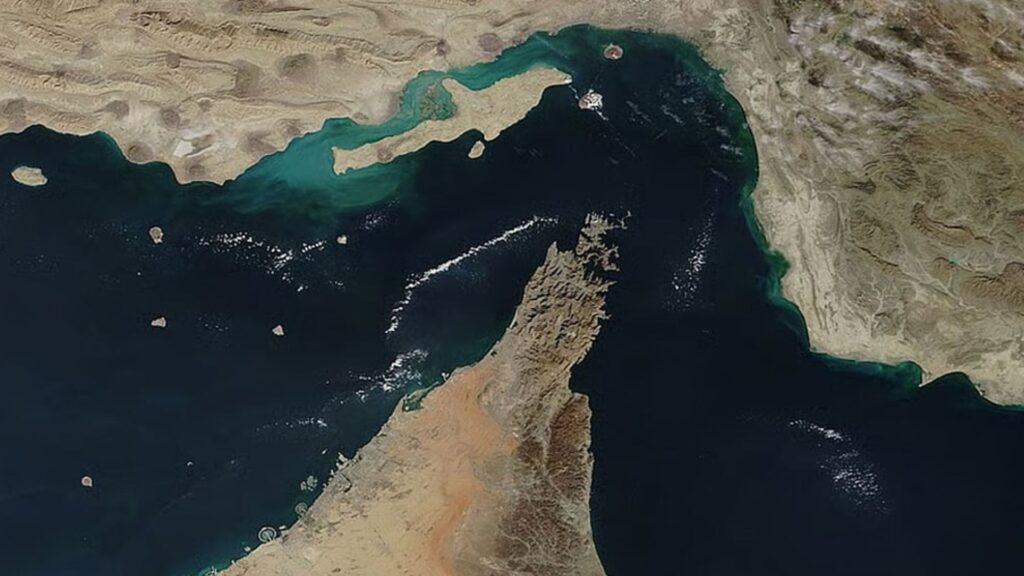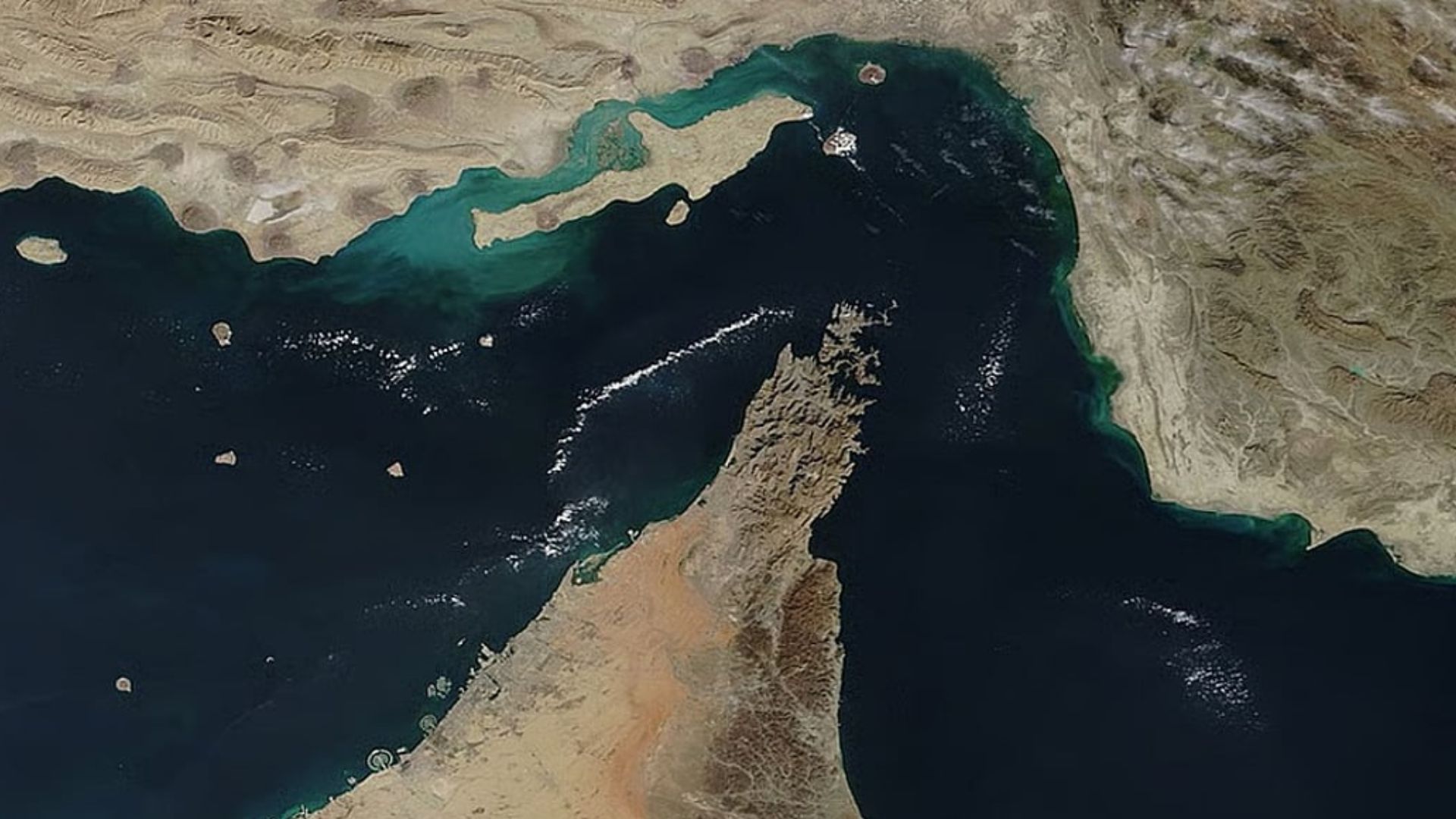
US President Donald Trump is expected to urge Tokyo to deploy naval support in the Strait of Hormuz, a crucial global oil route.
Pressure is growing on Japan to support the US in the Middle East after rising tensions with Iran.
However, Japanese Prime Minister Sanae Takaichi faces a difficult decision. She must balance Japan’s alliance with the US, its energy dependence on the Middle East, and its diplomatic relationship with Iran.
Washington wants to demonstrate that it is not isolated in its stance toward Tehran. “Trump is going to want to show that the US is not alone in Iran and that its allies are standing shoulder to shoulder,” said Jeff Kingston, an American professor at Temple University, Japan Campus in Tokyo.
But Kingston believes Tokyo would prefer a limited role. “Takaichi would be more than happy if Trump did not raise the issue of Japan making a military commitment,” he said.
READ ALSO: Lost 19th Century Film Showing First Robot Ever on Screen Found in US Archive
Japan’s concerns are tied closely to energy security. The country depends heavily on oil and gas from the Middle East. Around 95 percent of Japan’s oil imports and about 11 percent of its liquefied natural gas supplies come from the region.
Most of those shipments pass through the Strait of Hormuz. Any disruption there could quickly affect Japan’s economy.
According to analysts, Japan currently holds oil reserves that could last about 200 days. Its LNG reserves are much smaller, covering less than one month of demand.
These realities make the crisis particularly sensitive for Tokyo. Japan must protect its energy routes while avoiding actions that could anger Iran.
Echoes of Shinzo Abe’s approach
The situation has reminded observers of a similar moment in 2015. At that time, Japan’s prime minister Shinzo Abe promised logistical support to the US and its partners fighting the Islamic State in the Middle East.
READ ALSO: People Thought Police ‘Arrested’ a Robot: What Really Happened in Macau
Takaichi has often presented herself as politically aligned with Abe’s hawkish style. Yet experts say she may prefer the same cautious strategy.
“Takaichi is really hoping to dodge this bullet,” Kingston said. “She may provide logistical support like last time, as long as Japanese troops are not sent into dangerous combat areas.”
Japan’s pacifist constitution places strict limits on military deployments abroad. That constraint makes any direct combat role highly controversial inside Japan.
A Japanese academic who advises government agencies said Tokyo must tread carefully. “Takaichi is in a very difficult position,” the scholar said.
He explained that openly supporting US strikes against Iran could undermine Japan’s long-standing commitment to international law. At the same time, openly criticizing Trump could strain relations with Washington.
WATCH ALSO: Top research robot integrated with new intelligence platform
“If the request is for Japan to send troops, then the answer has to be a firm ‘no’,” the academic said. “It is not possible under the constitution, and Japanese people would not accept it.”
Even logistical support could face public resistance.
Japan also wants to preserve its economic relationship with Iran. Tehran has historically been an important energy supplier for Tokyo.
Analysts say Takaichi may try to follow what experts call an “omnidirectional foreign policy.” This approach aims to maintain strong ties with the United States while keeping diplomatic channels open with Iran.
Kingston described the strategy as bending with the wind to keep both sides satisfied.
READ ALSO: Robotic Hand Achieves 91% Success Grasping Fragile Objects on First Attempt
Some analysts believe Japan could offer alternative forms of support to Washington. Japanese media have suggested Tokyo might cooperate with US missile defense initiatives or increase defense production.
Such steps could help reassure the US without sending Japanese forces into direct conflict.
The crisis highlights how global tensions can place Japan in a difficult position. With energy security, constitutional limits, and diplomacy all at stake, Takaichi’s response will require careful balancing.